
 Business License
Blog Categories

What Is Aluglass Aluminum Fiberglass Fabric and Where Is It Used
A contractor in Northern Europe once specified plain aluminum foil facing for a large metal building project and watched it fail within two heating seasons. The rolls had been installed over steel purlins with standard stick pins. Wind pressure cycled the facing against the purlins roughly 40,000 times each winter. The unsupported foil tore along the pin line after about 14 months.
Replacing 6,200 square meters of facing meant removing the roof sheets and re-insulating the entire bay. The material that specification should have called for is aluglass aluminum fiberglass fabric. From a distance it looks like ordinary reflective foil, but the structure underneath decides whether a facing survives twenty winters. This article explains what that structure is, how it behaves thermally, where it belongs in a building envelope, and how the aluglass foil facing roll is specified in practice.
1. What Aluglass Aluminum Fiberglass Fabric Actually Is
Aluglass aluminum fiberglass fabric is a laminate built from three functional layers. An aluminum foil faces outward toward the cavity. A fiberglass scrim or woven fabric sits beneath it. A bonding layer holds the two together across the full surface rather than in patches.
The aluminum layer does the reflective work. Its surface emissivity sits around 0.03 to 0.05, so roughly 95 to 97 percent of the radiant heat reaching it is reflected rather than absorbed. In a metal building roof assembly, that reflectance is the difference between a radiant barrier and a heat sink that holds the afternoon sun in the structure.
The fiberglass layer does the mechanical work. It carries tensile loads, resists puncture from stick pins and fasteners, and stops a small tear from running the length of a roll. Fiberglass also tolerates the temperature swings found in a roof cavity, typically from minus 20 to 70 degrees Celsius in service.
An aluglass foil facing roll is therefore a composite, not a coated sheet. That distinction matters because the two fail differently. A coated sheet fails when its coating erodes or stains. A laminate fails at the bond line, and the bond line is where quality is won or lost.
2. Structure of an Aluminum Fiberglass Cloth Laminate
Buyers who understand the layer stack can read a specification sheet in a couple of minutes. The table below sets out the four layers present in a standard aluminum fiberglass cloth laminate, what each contributes, and what tends to go wrong when an unsuitable option is chosen for the job.
| Layer | Typical Material | Function | Failure If Wrong |
|---|---|---|---|
| Reflective face | Aluminum foil, 7 to 9 micron | Reflects radiant heat, forms vapour barrier | Low emissivity, poor thermal performance |
| Adhesive | Flame retardant PE or acrylic | Bonds foil to scrim across full surface | Delamination within one or two seasons |
| Reinforcement | Fiberglass scrim, 2x2 to 4x4 mesh | Carries tensile load, resists tearing | Tear propagation at fasteners |
| Optional backing | Kraft paper or white PE film | Adds stiffness, prevents moisture wicking | Edge curl and handling damage |
The adhesive layer is invisible in a finished roll, yet it decides the product's service life. A full-surface bond distributes stress evenly across the laminate. A partial bond concentrates stress at the edges of each adhesive island, and delamination begins at those edges long before the surface shows any sign of trouble.
For buyers comparing samples side by side, the bond is the first thing worth testing and the last thing most datasheets document. Jinan United Perfect Building Materials measures adhesion after heat aging rather than on the day of production, because a laminate that holds merely when new is no laminate at all.
3. How an Aluglass Foil Facing Roll Differs from Plain Foil
Plain foil facing is aluminum bonded to kraft paper. It is lighter, cheaper per square meter, and perfectly adequate where nothing touches it and no wind moves it.
An aluglass foil facing roll costs more because the reinforcement adds material and a second process pass. In return it offers tensile strength several times higher and puncture resistance that paper-backed foil cannot approach. Where a facing spans open purlins and is exposed to wind cycling, that difference sets the maintenance interval for the whole roof.
The choice is rarely about thermal performance. Both surfaces reflect a similar share of radiant heat when new. The practical question is whether the surface will still be intact and reflective in year five, and that question is answered by the reinforcement and the adhesive rather than by the foil thickness printed on the datasheet.
Weight tells the same story. A typical paper-backed foil runs around 90 to 130 grams per square meter, while an aluglass foil facing roll with a 4x4 scrim usually lands between 150 and 210 grams. That extra mass is fiberglass and adhesive, not foil, and it is the part that carries load at every fastener point across the roof.
4. Thermal and Vapour Behaviour of Aluglass in a Real Assembly
This material works on two mechanisms at once, and buyers who understand both can predict where it belongs without trial and error on site. The aluminum surface controls radiant transfer across an air cavity. The continuous foil layer also blocks vapour movement, which is why a foil facing behaves as a vapour barrier rather than as a breather.
That dual behaviour is useful where the foil faces an enclosed cavity. It becomes a problem where the foil faces a wet zone, because vapour that cannot pass through the laminate must find another path. In cold climates the foil belongs on the warm side of the insulation. In mixed assemblies the layer sequence has to be checked against the project drawings rather than assumed from the previous job.
Producing these laminates is a tension-sensitive process. Jinan United Perfect Building Materials runs coating, laminating, slitting and rewinding in sequence, and adding a fiberglass reinforcement changes the tension profile of every downstream step. That is why the material is handled as a distinct product line rather than a variant of plain foil, and why the aluminum fiberglass cloth laminate specification is written around process control as much as around raw materials.
5. Where an Aluminum Fiberglass Cloth Laminate Is Used
The applications below cover most of the demand that reaches us. They share one requirement: the facing must survive contact, abrasion or movement without losing its reflective surface or its bond to the reinforcement underneath.
| Application | Why the Reinforcement Fits | Typical Roll Width |
|---|---|---|
| Metal building roof and wall insulation | Spans purlins, resists stick pin tear out | 1.2 to 1.5 m |
| HVAC duct wrap and duct board facing | Handles flexing, holds surface at cut edges | 1.0 to 1.2 m |
| Appliance and equipment insulation | Tolerates vibration, minimal fibre shedding | 0.6 to 1.2 m |
| Mineral wool blanket facing | High tensile strength for lamination | 1.2 to 1.5 m |
| Pipe and tank cladding | Cut and formed without edge fraying | 1.0 m |
Metal building insulation accounts for the largest share of volume. Duct wrap is second, and it grows steadily as ductwork specifications tighten on surface burning characteristics and on how well the facing survives the installation process itself. United Perfect Building Materials supplies this laminate uncoated, coated and pre-printed, and slits it to the roll width the project actually calls for.
6. Case Notes on Aluglass Aluminum Fiberglass Fabric
A distributor in Eastern Europe had supplied plain foil facing into metal building projects for several seasons. Return rates ran near 3 percent, and almost every claim showed the same pattern: torn facing along the purlin line with visible delamination around the fastener holes.
The distributor moved the specification to an aluglass aluminum fiberglass fabric with a 4x4 mesh and full-surface adhesive. Claims on that product line then fell below 0.5 percent over the next three seasons. Unit cost of the facing rose roughly 18 percent. A single warranty repair, however, involved roof access and partial re-insulation, and had been costing about 40 times that delta on each affected bay.
A duct fabricator in South Asia switched from paper-backed facing to this laminate for duct wrap on a hospital project. The facing had to accept knife cuts at every fitting without fraying, and the paper version was shedding fibre at cut edges. The reinforced laminate cut clean and held its shape, which removed rework on approximately 900 fittings.
Both cases came through the same route. A buyer described the failure first, the substrate second, and the project climate third, and the grade followed from those three answers rather than from a price comparison across suppliers.
7. What to Specify in an Aluglass Foil Facing Roll Order
A workable specification names five things: foil thickness, adhesive chemistry, mesh count, roll width, and the intended substrate. Everything else follows from those five decisions.
Ask for foil thickness in microns rather than in total grams, because two facings with identical weight can differ substantially in how much foil they actually contain. Ask for adhesive type by chemistry rather than trade name, since trade names rarely carry across suppliers and often hide a different formulation underneath. Ask for mesh count as a number per inch in both directions. Then check the requested roll width against actual purlin spacing or against the width of the wrapping machine that will run on site.
Confirm that the laminate has been tested for peel strength after heat aging. A fresh sample that bonds well proves very little. The question is whether the bond survives a hot roof cavity through a full summer, and that is a different test that usually returns a different answer.
8. Misunderstandings About Aluminum Fiberglass Cloth Laminate
Several recurring assumptions lead buyers into the wrong product. This material is not a breather membrane and should not be used where vapour must escape outward. It is not a structural element, so spans must stay within manufacturer guidance. It is not fire rated simply because it contains fiberglass, since the aluminum and the adhesive both contribute to reaction to fire.
It is also not interchangeable with FSK facing, which uses a different reinforcement and suits different duct and equipment applications.
Each of those errors is cheap to avoid at the specification stage and expensive to correct after installation. Jinan United Perfect Building Materials asks buyers to confirm the assembly sequence, the substrate and the exposure conditions before quoting. Those three answers determine the grade rather than the price, and they determine whether the aluglass aluminum fiberglass fabric in the quote is the right one for the building.
9. FAQ About Aluglass Aluminum Fiberglass Fabric
9.1 Is an aluglass foil facing roll suitable as a vapour barrier?
Yes, in the sense that the aluminum layer has very low vapour permeability and will block moisture movement. That is exactly why placement matters, and why the same roll can be correct in one assembly and wrong in the next. A foil facing must sit on the warm side of the insulation in cold climates so vapour does not condense against it. Where two vapour-retarding layers would trap moisture between them, one layer has to be replaced with a breather membrane.
Confirming the assembly sequence before ordering is far cheaper than correcting it afterwards on site, especially in cavity walls that have already been closed up.
9.2 How does an aluminum fiberglass cloth laminate differ from ordinary reflective foil?
The reinforcement in the middle. Ordinary reflective foil is a foil and paper combination with limited tensile strength, so it suits protected applications such as duct board facing. Adding a fiberglass scrim raises tensile strength by a factor of three to five and improves resistance to tearing at fastener points. That change is what allows the material to be installed across open purlins or wrapped around ductwork that flexes in service, and it also changes which fasteners are acceptable, since a reinforced facing tolerates stick pins that would pull straight through paper backing.
9.3 What mesh count should buyers request for metal building insulation?
For metal building roof and wall applications, a mesh of 2x2 to 4x4 per inch covers most specifications. Heavier mesh raises tensile and tear strength, which helps where purlin spacing is wide or where the facing carries tension across a span. Lighter mesh keeps the roll more flexible and suits duct wrap and equipment insulation. Requesting one mesh for every application usually means overpaying on some lines and under-specifying on others, and the difference in cost per square meter is often smaller than the difference in warranty exposure.
9.4 How can a buyer check laminate quality before a repeat order?
Ask for a peel strength figure measured after heat aging rather than on a fresh sample, and request the test method by name so it can be compared across suppliers. Then run a field check: cut a 50 mm strip, peel it by hand, and look at where the failure occurs. A clean separation with adhesive residue on both surfaces usually indicates a cohesive bond. A peel that releases with a bare, shiny foil surface points to an adhesion problem that will surface in service.
Recently Posted
-
From Felt to Synthetic Underlayment in North American Roofing
November 3, 2026A roofing supplier in North America once kept both felt and synthetic underlayment on the same rack and watched the split shift wi Read More
-
QC Checklist for Synthetic Underlayment Before Shipment
November 3, 2026A buyer in North America once received a shipment in which the lengths on the packing list were correct and the rolls at the centr Read More
-
Synthetic Underlayment Slitting Winding and Roll Diameter Control
November 2, 2026A buyer in North America once rejected a container of synthetic underlayment because the rolls at one end had flattened into an ov Read More
-
Synthetic Underlayment for Tropical and Desert Roofing Projects
November 2, 2026Two projects in the same product family can fail for opposite reasons. A tropical roof underlayment in Southeast Asia can be ruine Read More

Contact Us
Recommended Products
-
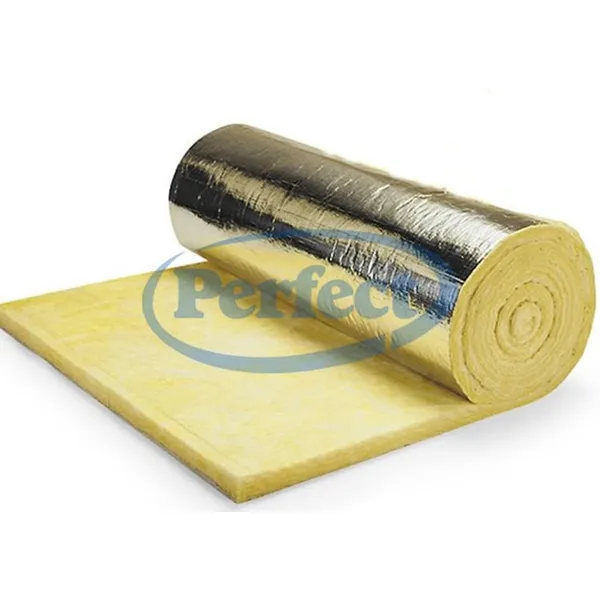
 Glasswool Blanket With FSK FacingNegotiableMOQ: 100 Rolls
-
Rockwool Blanket With Wire MeshNegotiableMOQ: 100 Rolls
-
Rockwool Blanket With FSK FacingNegotiableMOQ: 100 Rolls
-
CE Certified Glass Wool Insulation, Glasswool Fiberglass, Low Thermal Conductivity, Noise Reduction for Wall, Roof and Industrial EquipmentNegotiableMOQ: 100 Rolls
-
KSK Foil Facing Roll, Laminated Aluminum Foil + Scrim + Kraft Paper, Anti-Tear Thermal Barrier, Suitable for Commercial HVAC and Roof InsulationNegotiableMOQ: 500 Rolls
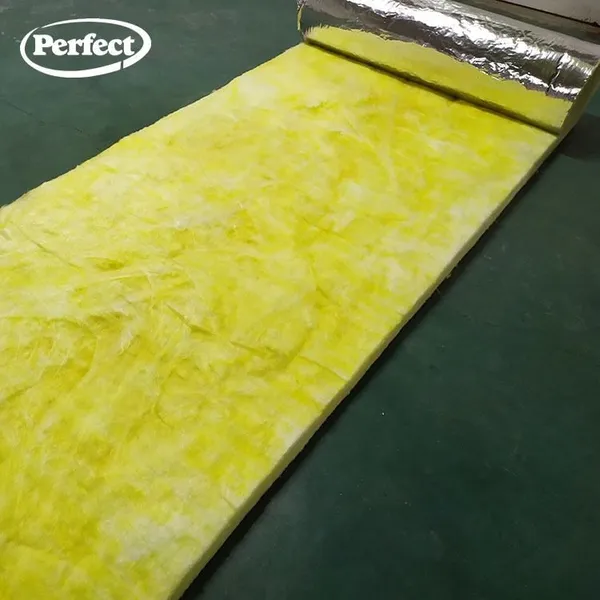
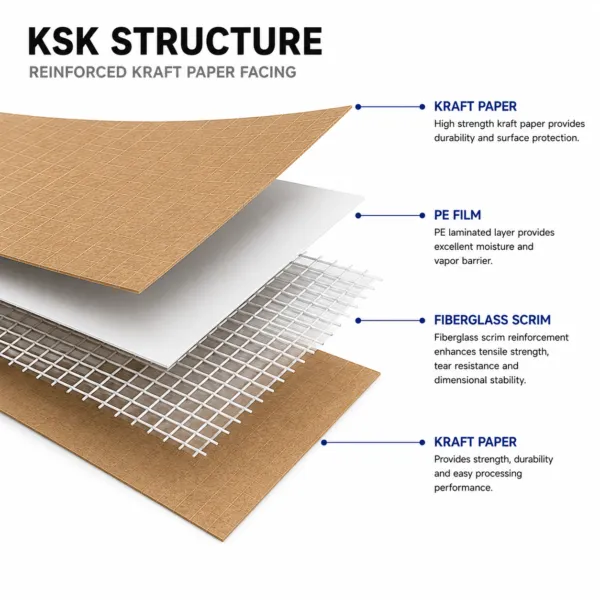
-
FSK Foil Scrim Kraft, FWF MSK MWV KSK Laminate Foils, Metalized PET MPET Vapor Barrier Facing for Insulation Glasswool RockwoolNegotiableMOQ: 100 Rolls
-
Reinforced Aluminium Foil Tape, Waterproof Anti-aging Tape, Widely Used in HVAC and Building Insulation ProjectsNegotiableMOQ: 500 Cartons
-
HVAC Aluminum Foil Sealing Tape, Strong Adhesion Heat Resistance for Pipe, Glass Wool and Rockwool InsulationNegotiableMOQ: 500 Cartons
-
Factory Supply Metalized PET MPET Laminate Foils, Aluminum Coated PET Film for Roof Wall InsulationNegotiableMOQ: 10000 Cubic Meters
-
Custom MPET Metalized PET Laminate Foils, VMPET Metallized Polyester Facing Film for Thermal InsulationNegotiableMOQ: 10000 Cubic Meters
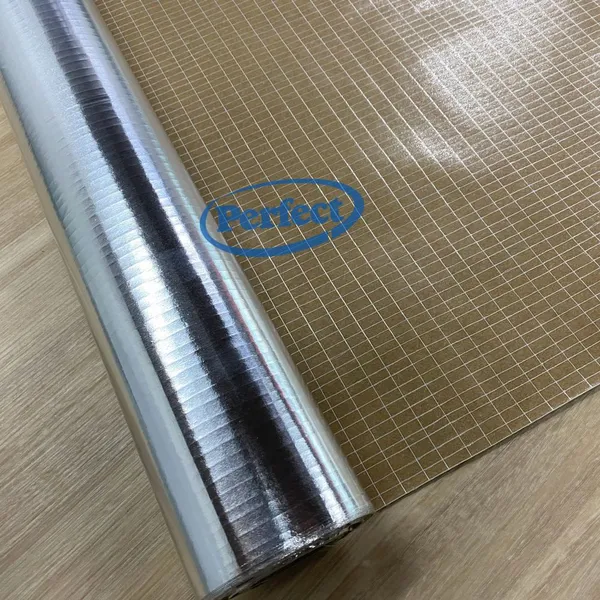
-
Glass Wool Insulation Series, Glasswool With FSK/FWF/MSK/MWV/KSK Facing, Metalized PET Laminate Foils, Heat & Sound Insulation for Commercial BuildingNegotiableMOQ: 100 Rolls
-
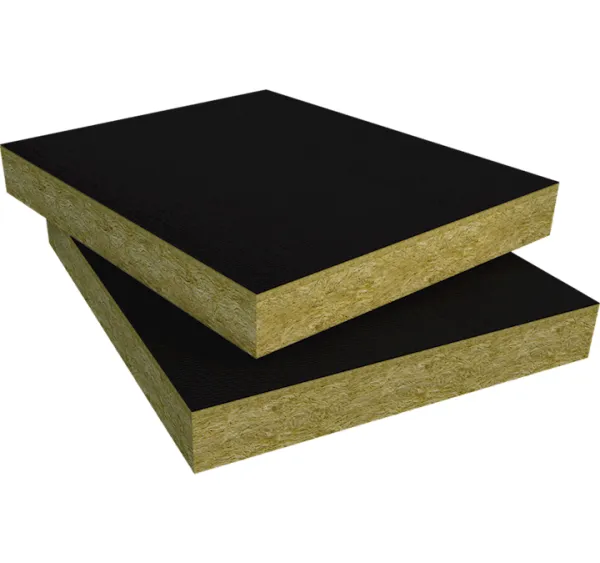
Rockwool Blanket With Black Firber GlassNegotiableMOQ: 100 Rolls
-
Glasswool Insulation Blanket & Board, FSK FWF MSK MWV KSK Foil Laminate, MPET Metalized PET Faced Glass Wool for HVAC, Roof, Wall, Air DuctNegotiableMOQ: 100 Rolls
-
Rockwool Insulation Roll, FSK Foil Faced Mineral Wool for Building Thermal & Acoustic Insulation, Fire Resistant Roof Wall Insulation MaterialNegotiableMOQ: 100 Rolls
-
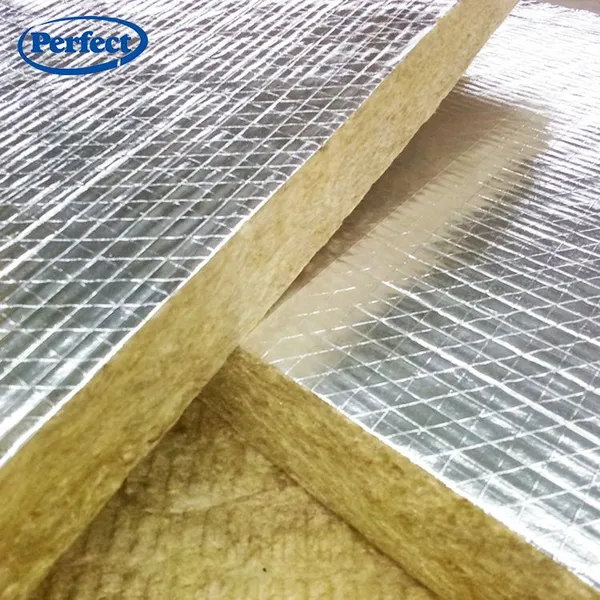
FWF MSK FSK Foil Laminated Rock Wool Glass Wool Blanket, Metalized PET Laminate Foils Faced Insulation for HVAC and ConstructionNegotiableMOQ: 100 Rolls
-
Rockwool Insulation Board, Mineral Wool Rock Wool Slab for Building Thermal & Fire Insulation, Soundproof Rockwool Panel for Roof, Wall, HVAC SystemNegotiableMOQ: 100 Rolls
-
Rockwool Pipe Section, Mineral Wool Rock Wool Tube Insulation, Fire & Heat Resistant Rockwool for Steam Pipes, Industrial Pipeline Insulation ProjectNegotiableMOQ: 100 Rolls
-
Rockwool Board With FSK FacingNegotiableMOQ: 100 Rolls
-
Rockwool Insulation Slab With FSK Facing, Fireproof Rock Wool Board, Thermal & Sound Insulation Rockwool for Roof, Wall and Ductwork ApplicationNegotiableMOQ: 100 Rolls
-
Fireproof Foil Laminated Glass Wool, Laminate Foils MPET Faced Glasswool Insulation Roll & Sheet for Roofing, Wall, Duct and Pipe InsulationNegotiableMOQ: 100 Rolls