
 Business License
Blog Categories

Synthetic Underlayment Slitting Winding and Roll Diameter Control
A buyer in North America once rejected a container of synthetic underlayment because the rolls at one end had flattened into an oval in transit. The material was sound and the width was correct. The underlayment winding tension had been set too low, so the rolls lacked the core stiffness to hold their shape under load.
The final operations on a synthetic underlayment line are slitting, winding and roll handling, and they decide how the product arrives rather than how it performs on the roof. Underlayment slitting control sets the width and the edge quality, underlayment winding tension sets how the roll holds its shape, and underlayment roll diameter sets the handling and the packaging. This article explains what each stage controls and how the three interact.
1. Underlayment Slitting Control on the Line
Underlayment slitting control is the operation that cuts the full-width web into the finished roll widths, and it sets both the width accuracy and the edge condition.
A slitting station carries a set of circular blades or a shear arrangement, and the web passes through it at line speed. The blades trim the edges and divide the web into narrower strips, each of which is then wound into a finished roll.
Two things can go wrong at the slit. The first is a width error, which appears when the blade positions drift or when the web wanders across the line. The second is an edge defect, which appears when the cut is made by a crush rather than a shear, leaving a ragged or a heat-sealed edge.
| Slitting Method | Edge Result | Suitability |
|---|---|---|
| Shear cut | Clean, square | Woven and laminated webs |
| Crush cut | Compressed, ragged | Soft webs, limited use |
| Hot knife | Sealed, beaded | Thermoplastic webs |
| Score cut | Fine line, low dust | Thin films |
A clean edge matters more than it appears to. A ragged edge catches during installation and starts a tear, and the tear propagates further in a woven web than in a felt because the fibres carry the load along the sheet. A beaded hot-knife edge gives a clean line and can stiffen the edge, which helps the roll hold its shape.
2. Underlayment Winding Tension and Roll Quality
Underlayment winding tension is the load applied to the web as it is wound, and it decides the density and the stability of the finished roll.
The tension has to be sufficient to wind a firm roll that holds its shape, and low enough that the web is not stretched beyond its elastic limit. A tension that is too low produces a soft roll that telescopes or flattens under load. A tension that is too high stretches the web and leaves residual strain in the roll, which relaxes as the roll ages and produces a slack or a wrinkled sheet on installation.
| Tension Setting | Roll Result | Site Symptom |
|---|---|---|
| Too low | Soft, loose | Oval rolls, telescoping |
| Correct | Firm, uniform | Rolls hold shape, lay flat |
| Too high | Hard, strained | Wrinkles, edge curl |
| Varying | Uneven density | Baggy laps, poor tracking |
The tension also has to taper as the roll builds. The outer layers of a roll are wound on a larger circumference, and a constant tension applies a lower stress per unit area at the outside than at the core. A taper control reduces the tension as the diameter grows, which keeps the wound-in stress even across the roll.
That taper is the reason the winding control is usually linked to the diameter rather than set as a fixed value. A line that winds at a constant tension produces a roll that is tight at the core and loose at the outside, and the roll then flattens at the outer layers in transit.
3. Underlayment Roll Diameter and Packaging
Underlayment roll diameter is the figure that ties the slitting and the winding together, and it decides both the handling and the packaging.
The diameter follows from the length wound, the thickness of the web and the density of the wind. A longer roll at the same thickness and density produces a larger diameter, and a firmer wind produces a slightly smaller one.
| Roll Diameter | Handling | Typical Use |
|---|---|---|
| Small | One person carries | Roof repairs, small areas |
| Medium | Two-person carry | Residential roofing |
| Large | Mechanical lift | Commercial, bulk supply |
| Oversize | Pallet or forklift | Container shipments |
The diameter also sets how the rolls pack. A container loaded with large-diameter rolls uses the volume less efficiently than one loaded with medium rolls, because the round profile leaves gaps between the rolls. A diameter that is matched to the container dimensions reduces the wasted volume and holds the rolls more firmly, which reduces movement in transit.
The roll diameter should therefore be agreed at the order stage. A buyer who specifies a length without a diameter leaves the line to choose a diameter that suits the line rather than the shipment.
4. Why Underlayment Winding Tension Causes Roll Defects
Most roll defects that appear at the buyer's site trace back to the winding stage rather than to the material, and the pattern of the defect identifies the cause.
A roll that has flattened into an oval indicates that the wound-in stiffness was too low for the load. The stiffness comes from the tension and from the core, and a soft wind with a thin core flattens first. The remedy is a higher tension and a firmer core rather than a heavier material.
A roll that has telescoped, with the inner layers projecting beyond the outer ones, indicates uneven tension or a change in tension during the wind. The same symptom appears when the web width varies, because the layers do not align.
Wrinkles and edge curl that are present on the roll indicate excessive tension, which stretched the web and left it strained. The strain relaxes over time and the sheet then lies baggy rather than flat, and the laps open on the roof.
The three defects are distinct, and each points to a different correction. A supplier that reports a roll defect without naming which of the three it is has not diagnosed the problem.
5. Case Notes on Underlayment Slitting Control
A buyer in North America received a shipment in which one end of the container had oval rolls and the other end had sound rolls. The oval rolls were the ones loaded against the container wall, where the lateral pressure was highest. The winding tension had been set low for the whole order, and the rolls under load deformed while the rest stayed round. Raising the tension for the next order solved it at the line rather than in the packaging.
A second order showed wrinkles along one edge of every roll. The cause was a slightly drifted slitting blade, which had produced a heavier edge that wound with more tension than the rest of the web. Re-setting the blade and confirming the width removed the wrinkle, and the winding settings were unchanged.
Both cases show that the roll and the cut interact. A defect at the roll surface can originate at the blade rather than at the winder, and the diagnosis has to check both stages.
6. Maintaining Underlayment Roll Diameter Consistency
Consistency of underlayment roll diameter across an order matters to a buyer who handles the rolls by machine or packs them to a fixed container pattern.
Diameter varies with the length, the thickness and the wind density, and all three have to be held to produce rolls of the same size. A variation in web thickness from one production run to the next changes the diameter at the same length, and the difference is visible at the pallet.
Measuring the diameter at the end of each roll and recording it against the production batch is the practical control. It allows a buyer to compare a delivery against the reference used at approval, and it detects a drift before the shipment rather than after it arrives.
The diameter should be stated as a tolerance rather than a single figure. A nominal diameter with a tolerance band allows the line to work within its process capability while giving the buyer a roll that fits the pallet and the container.
7. Specifying Underlayment Winding Tension and Roll Size
State the length, the width and the nominal roll diameter together, and give a tolerance on each. A length without a diameter leaves the packing to the line.
State the required edge condition, and require a shear or a sealed edge rather than a crushed one. The edge is the part of the sheet that is handled most and tears first.
State the roll hardness or the maximum deformation under load, where the rolls will be stacked in a container. A hardness figure translates the winding tension into something the buyer can check on arrival.
State the core type and the core diameter, because they carry part of the roll stiffness. A thin core in a large-diameter roll flattens first, whatever the tension.
8. Underlayment Slitting Control and Winding Supplier Profile
United Perfect Building Materials, part of Jinan United Perfect Building Materials Corporation, produces synthetic underlayment on lines that carry slitting, winding and roll handling, and supplies buyers in North America. The company records the width, the tension and the roll diameter for each production batch, which allows underlayment slitting control and underlayment winding tension to be confirmed against the reference used at approval.
Jinan United Perfect Building Materials holds retained samples by production batch, so a delivered roll can be checked against the reference. Buyers specifying underlayment roll diameter for a container shipment can state a nominal diameter with a tolerance and receive rolls that pack to a consistent pattern. United Perfect can also confirm the edge condition and the roll hardness in writing where the rolls will be stacked in transit.
9. FAQ About Underlayment Slitting and Winding
9.1 Why do my underlayment rolls arrive oval?
An oval roll indicates that the wound-in stiffness was too low for the load it carried. The stiffness comes from the underlayment winding tension and from the core, so a soft wind with a thin core flattens first, and the rolls that were loaded hardest deform before the rest. The material is usually sound and the width is correct. The correction is a higher tension and a firmer core at the line rather than a change of material, and the fix should be requested for the next order.
9.2 What causes wrinkles in a wound roll?
Wrinkles usually indicate excessive tension, which stretched the web beyond its elastic limit and left strain in the roll. That strain relaxes over time and the sheet then lies baggy rather than flat. A second cause is a width variation at the slit, which makes one edge wind tighter than the other and produces a wrinkle along that edge. The two have different remedies, so the wrinkle should be checked against the width record and the tension setting before an adjustment is made.
9.3 How is roll diameter controlled?
Diameter follows from the length wound, the web thickness and the density of the wind, so holding all three steady produces rolls of the same size. The density of the wind is set by the underlayment winding tension, and the length and thickness come from the material and the order. Measuring the underlayment roll diameter at the end of each roll and recording it against the batch is the practical control, and it detects a drift before the rolls are packed rather than after they arrive.
9.4 Does slitting affect roll quality?
Yes, and more than it appears to. A ragged or crushed edge catches during winding and during installation, and it starts a tear that propagates along the sheet. A heavier or beaded edge winds with more tension than the rest of the web, which produces a wrinkle or an uneven roll. A clean shear or sealed edge gives the roll a uniform profile and gives the installer an edge that resists tearing, so the slit condition is part of the roll quality rather than a separate concern.
9.5 What should I state when ordering rolls?
State the length, the width and the nominal underlayment roll diameter together, and give a tolerance on each. State the required edge condition and ask for a shear or a sealed edge rather than a crushed one. Where the rolls will be stacked in a container, state a roll hardness figure or a maximum deformation so the winding tension can be set to suit. State the core type and diameter as well, because the core carries part of the roll stiffness under load.
Recently Posted
-
From Felt to Synthetic Underlayment in North American Roofing
November 3, 2026A roofing supplier in North America once kept both felt and synthetic underlayment on the same rack and watched the split shift wi Read More
-
QC Checklist for Synthetic Underlayment Before Shipment
November 3, 2026A buyer in North America once received a shipment in which the lengths on the packing list were correct and the rolls at the centr Read More
-
Synthetic Underlayment for Tropical and Desert Roofing Projects
November 2, 2026Two projects in the same product family can fail for opposite reasons. A tropical roof underlayment in Southeast Asia can be ruine Read More
-
Synthetic Underlayment for Commercial Roofs in Cold and Windy Regions
November 2, 2026A roofing contractor in a cold region of North America once installed a commercial roof underlayment in midwinter and found the la Read More

Contact Us
Recommended Products
-
 Glasswool Blanket With FSK FacingNegotiableMOQ: 100 Rolls
-
Rockwool Blanket With Wire MeshNegotiableMOQ: 100 Rolls
-
Rockwool Blanket With FSK FacingNegotiableMOQ: 100 Rolls
-
CE Certified Glass Wool Insulation, Glasswool Fiberglass, Low Thermal Conductivity, Noise Reduction for Wall, Roof and Industrial EquipmentNegotiableMOQ: 100 Rolls
-
KSK Foil Facing Roll, Laminated Aluminum Foil + Scrim + Kraft Paper, Anti-Tear Thermal Barrier, Suitable for Commercial HVAC and Roof InsulationNegotiableMOQ: 500 Rolls
-
FSK Foil Scrim Kraft, FWF MSK MWV KSK Laminate Foils, Metalized PET MPET Vapor Barrier Facing for Insulation Glasswool RockwoolNegotiableMOQ: 100 Rolls
-
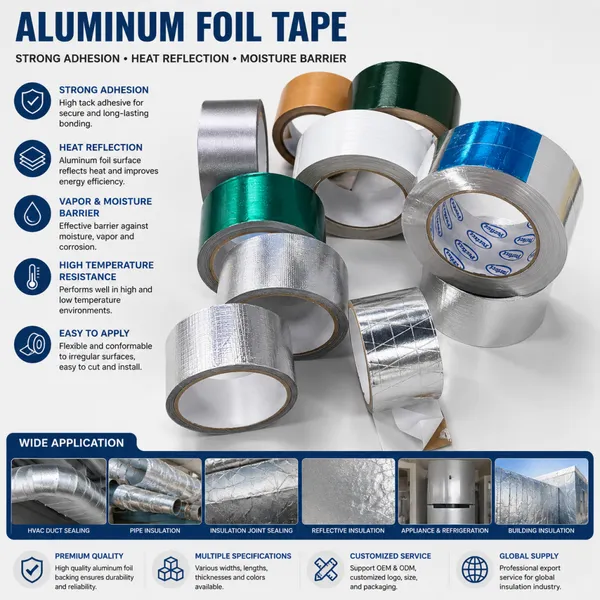
Reinforced Aluminium Foil Tape, Waterproof Anti-aging Tape, Widely Used in HVAC and Building Insulation ProjectsNegotiableMOQ: 500 Cartons
-
HVAC Aluminum Foil Sealing Tape, Strong Adhesion Heat Resistance for Pipe, Glass Wool and Rockwool InsulationNegotiableMOQ: 500 Cartons
-
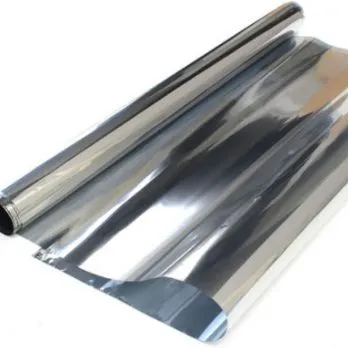
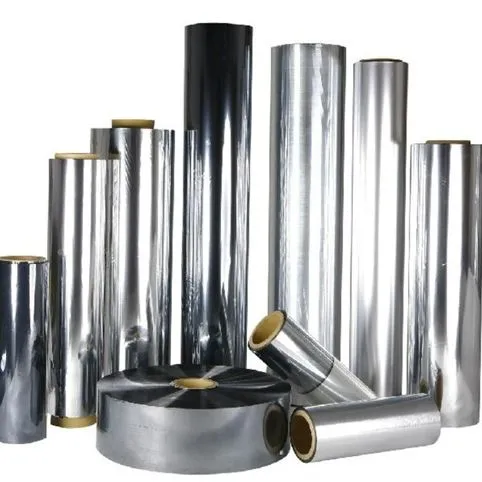
Factory Supply Metalized PET MPET Laminate Foils, Aluminum Coated PET Film for Roof Wall InsulationNegotiableMOQ: 10000 Cubic Meters
-
Custom MPET Metalized PET Laminate Foils, VMPET Metallized Polyester Facing Film for Thermal InsulationNegotiableMOQ: 10000 Cubic Meters
-
Glass Wool Insulation Series, Glasswool With FSK/FWF/MSK/MWV/KSK Facing, Metalized PET Laminate Foils, Heat & Sound Insulation for Commercial BuildingNegotiableMOQ: 100 Rolls
-
Rockwool Blanket With Black Firber GlassNegotiableMOQ: 100 Rolls
-
Glasswool Insulation Blanket & Board, FSK FWF MSK MWV KSK Foil Laminate, MPET Metalized PET Faced Glass Wool for HVAC, Roof, Wall, Air DuctNegotiableMOQ: 100 Rolls
-
Rockwool Insulation Roll, FSK Foil Faced Mineral Wool for Building Thermal & Acoustic Insulation, Fire Resistant Roof Wall Insulation MaterialNegotiableMOQ: 100 Rolls
-
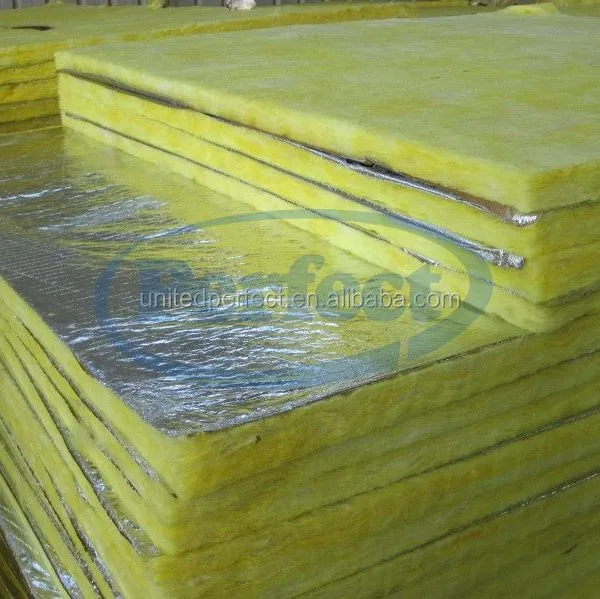
FWF MSK FSK Foil Laminated Rock Wool Glass Wool Blanket, Metalized PET Laminate Foils Faced Insulation for HVAC and ConstructionNegotiableMOQ: 100 Rolls
-
Rockwool Insulation Board, Mineral Wool Rock Wool Slab for Building Thermal & Fire Insulation, Soundproof Rockwool Panel for Roof, Wall, HVAC SystemNegotiableMOQ: 100 Rolls
-
Rockwool Pipe Section, Mineral Wool Rock Wool Tube Insulation, Fire & Heat Resistant Rockwool for Steam Pipes, Industrial Pipeline Insulation ProjectNegotiableMOQ: 100 Rolls
-
Rockwool Board With FSK FacingNegotiableMOQ: 100 Rolls
-
Rockwool Insulation Slab With FSK Facing, Fireproof Rock Wool Board, Thermal & Sound Insulation Rockwool for Roof, Wall and Ductwork ApplicationNegotiableMOQ: 100 Rolls
-
Fireproof Foil Laminated Glass Wool, Laminate Foils MPET Faced Glasswool Insulation Roll & Sheet for Roofing, Wall, Duct and Pipe InsulationNegotiableMOQ: 100 Rolls