
 Business License
Blog Categories

Breathable Membrane vs House Wrap: Differences for Wall Systems
A builder in Northern Europe ordered house wrap for a timber frame project and received a product that met the name. It shed water well, it was strong, and it was almost impermeable to vapour. The wall could not dry outward, and by the second winter the sheathing was wet.
The confusion is common because the two terms are used loosely. A house wrap breathable membrane and a plain house wrap can be the same roll in one supplier's catalogue and two different products in another's. The difference is the vapour transmission, and it decides whether a wall can dry. This article sets out how the two compare, how the wall wrap membrane choice is made, and what the term weather barrier membrane covers.
1. What a House Wrap Actually Is
House wrap is a sheet material installed on the outside of a wall frame, behind the cladding, to resist water and air movement. The term describes a position and a function rather than a specific construction.
Most house wrap is a spunbonded polypropylene fabric, woven or non-woven, with a water-resistant surface. It is lightweight, it comes in wide rolls, and it is designed to be taped at the laps to form a continuous air barrier.
The critical point is that a product sold as house wrap may be highly vapour permeable or almost vapour tight, and the two are sold under the same general name. A builder who orders house wrap by name and receives a vapour-tight product has received what was ordered and not what the wall needed.
This is why the term house wrap breathable membrane has become common. It disambiguates the product by adding the property that matters, and it forces the specification to address vapour transmission rather than relying on a category name.
2. How a House Wrap Breathable Membrane Differs
The difference lies in the diffusion resistance of the sheet, and it shows up in how the assembly behaves over a heating season rather than in how the material looks or feels.
| Property | Vapour-Tight House Wrap | House Wrap Breathable Membrane |
|---|---|---|
| Diffusion resistance | High | Low |
| Drying direction | Blocked outward | Permitted outward |
| Water resistance | Good | Good |
| Air barrier function | By taping laps | By taping laps |
| Typical risk | Trapped moisture | None specific to vapour |
Both types resist rain and both can serve as an air barrier when their laps are taped. The difference is what happens to moisture that has already entered the assembly, and that moisture arrives from construction, from leakage and from normal indoor vapour movement.
A vapour-tight wrap blocks that moisture in the outward direction. Where the wall also has a vapour control layer on the inside, the assembly has no drying path at all, and the moisture accumulates at the coldest point.
3. Wall Wrap Membrane Choice and the Assembly Logic
The wall wrap membrane choice cannot be made from the wrap alone, because its role depends on what else is in the build-up.
Where the wall has an internal vapour control layer, the outer wrap should be permeable so the assembly can dry outward. Where the wall has no internal control layer, the wrap may need to do more work, and the position changes.
Where the wall has a drained and ventilated cavity behind the cladding, the wrap is protected and the emphasis shifts to durability. Where the cladding is fixed directly over the wrap, the material has to tolerate abrasion against the fixing.
The exposure of the site adds a further variable. A wall facing severe driving rain needs a wrap with high water resistance, and that figure should be stated alongside the diffusion figure rather than instead of it.
| Assembly | Internal Control | Wrap Requirement |
|---|---|---|
| Timber frame, cavity | Yes | Permeable, taped laps |
| Timber frame, direct fix | Yes | Permeable, abrasion resistant |
| Masonry, external insulation | Inner face | Permeable, water resistant |
| Exposed coastal | Yes | High water resistance, permeable |
| Retrofit over sheathing | Varies | Configured to the existing build-up |
Reading the table from the left avoids the common error of selecting a wrap first and then designing the wall around it. The wrap is one layer in a system, and its correct specification follows from the layers it sits between.
4. Weather Barrier Membrane: Where the Term Applies
A weather barrier membrane is the general category that covers house wrap, breather membranes and the various water-resistive sheets used behind cladding.
The term describes the job rather than the material, so a weather barrier membrane can be a polypropylene fabric, a coated paper, a foil-faced sheet or a board product. Each handles rain differently and each has its own diffusion behaviour. A board product adds a substrate and a drainage plane in one step, while a flexible sheet relies on the cavity behind the cladding to manage the water that reaches it.
Where the term appears in a specification without a construction behind it, the supplier has room to choose. That is usually acceptable where the position is sheltered and the material is protected, and less acceptable where the wall faces driving rain and depends on the membrane for water control. Naming the construction, the water resistance figure and the diffusion figure together removes that room and makes the quotation comparable.
5. Water Resistance and Diffusion in a Weather Barrier Membrane
The two properties are often presented as a trade-off, and in practice they are largely independent. A well-made breathable membrane can combine high water resistance with low diffusion resistance.
That independence is worth stating plainly, because the idea that permeability and water resistance conflict leads buyers to accept a vapour-tight product on the grounds that it must be more water resistant. The two figures come from different parts of the structure: water resistance from the surface and the pore structure, diffusion from the pore size and the polymer.
Where a specification states both figures on a defined test basis, a buyer can compare products directly and avoid the false trade-off. Where it states a single figure, the other is left to assumption.
6. Case Notes on Wall Wrap Membrane Choice
A builder in Eastern Europe installed a vapour-tight house wrap on a timber frame project with an internal vapour control layer. The wall had no drying path outward, and elevated moisture readings appeared in the sheathing by the second winter. The wrap was replaced with a permeable membrane on the following phase, and readings on those walls stayed within range over the next two seasons. The change in material cost was small, and the remedial cost on the first phase was not.
A second project on an exposed coastal site used a permeable membrane with a modest water resistance figure. The wall performed well in normal weather but showed damp patches behind the cladding after a period of driving rain. The builder switched to a membrane with a higher water resistance figure while keeping the low diffusion resistance, and the damp pattern stopped. The two properties had been treated as separate decisions, which was correct.
Both projects made their decisions at the wrap line rather than at the assembly level, and in both cases the assembly held the answer.
7. Specifying a Weather Barrier Membrane Correctly
State both the water resistance and the diffusion resistance, each with a test method and a basis. A figure without a method cannot be compared across suppliers.
State the position in the assembly and the layers either side. A weather barrier membrane on the outside of a wall with an internal control layer has a clear brief, and that brief should appear in the specification document.
State the jointing system and require it to be supplied with the membrane. The laps are what make the air barrier continuous, and a specification that omits the tape leaves the outcome to the site.
State the exposure period and the requirement for protection before cladding. Where the membrane stays exposed through a full season, its properties may change, and the specification should reflect that rather than assume the material is stable indefinitely.
8. House Wrap Breathable Membrane Supplier Profile
United Perfect Building Materials, part of Jinan United Perfect Building Materials Corporation, produces breathable membranes for wall and roof systems. The company quotes water resistance and diffusion resistance on a stated basis on each datasheet, which allows a wall wrap membrane choice to be made against figures rather than against a category name.
Jinan United Perfect Building Materials holds retained samples by production batch, so a delivered roll can be checked against the reference used at approval. Buyers comparing a house wrap breathable membrane against several candidates can request both properties and a retained reference, and compare the products on the same basis. United Perfect supplies roof and wall grades, which lets a project specify both from one source and keep the jointing tapes consistent across the assembly.
9. FAQ About House Wrap and Weather Barrier Membranes
9.1 Is house wrap the same as a breathable membrane?
Not necessarily, although the two overlap: house wrap describes a position and a function, while a breathable membrane describes a vapour transmission property. Some products are both, and some house wrap products are almost vapour tight. The safe approach is to specify the property rather than the category, asking for a low diffusion resistance figure with a stated test method and confirming the water resistance separately. That removes the ambiguity that the category name leaves, and it makes the two quotations comparable.
9.2 Does a weather barrier membrane have to be vapour permeable?
Where the assembly needs to dry outward through it, which is the usual case for a framed wall with an internal control layer. In a wall with an internal vapour control layer, the outer membrane should be permeable so that moisture can leave the assembly. In a wall with no internal control layer, or in a position where the assembly is designed to be vapour tight on both faces, the requirement differs. The assembly decides, and a specification that states permeability without reference to the build-up is incomplete.
9.3 What water resistance does a house wrap breathable membrane need?
It depends on the exposure at the site and on the cladding, and the two are worth assessing together. A sheltered wall behind a well-detailed cladding has a lower requirement than an exposed coastal wall behind a rainscreen. Where the cladding sheds most of the water and the cavity drains, a house wrap breathable membrane handles the remainder, while a directly fixed cladding leaves the membrane to handle more water and calls for a higher figure. The exposure and the cladding detail should both appear in the specification.
9.4 Can a permeable membrane replace a vapour control layer?
No, because the two layers do different jobs and sit on opposite sides of the insulation. A vapour control layer resists moisture entering the assembly from inside, and a permeable membrane allows moisture to leave at the outside. Removing the internal layer and relying on the outer membrane leaves the assembly open to inward vapour movement without control. Where a design intends to omit the internal layer, it usually relies on a different moisture strategy rather than on the outer membrane alone.
9.5 How do I compare two wall wrap membranes from different suppliers?
Ask for water resistance and diffusion resistance, each with a test method and a basis, and ask for the jointing tape to be quoted with the membrane. Compare the two figures together rather than one at a time, since a product can be strong on one and weak on the other. Where a supplier is part of the building materials sector in China, request the retained batch reference with the datasheet so that the delivered roll can be checked against the sample the figures were drawn from.
Recently Posted
-
From Felt to Synthetic Underlayment in North American Roofing
November 3, 2026A roofing supplier in North America once kept both felt and synthetic underlayment on the same rack and watched the split shift wi Read More
-
QC Checklist for Synthetic Underlayment Before Shipment
November 3, 2026A buyer in North America once received a shipment in which the lengths on the packing list were correct and the rolls at the centr Read More
-
Synthetic Underlayment Slitting Winding and Roll Diameter Control
November 2, 2026A buyer in North America once rejected a container of synthetic underlayment because the rolls at one end had flattened into an ov Read More
-
Synthetic Underlayment for Tropical and Desert Roofing Projects
November 2, 2026Two projects in the same product family can fail for opposite reasons. A tropical roof underlayment in Southeast Asia can be ruine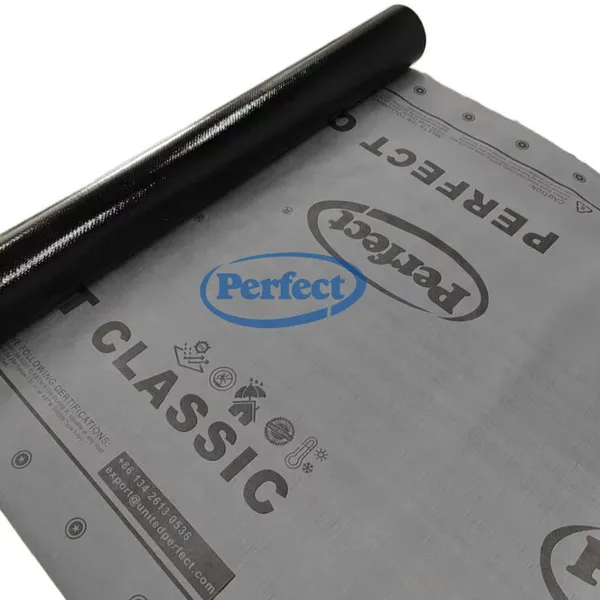 Read More

Contact Us
Recommended Products
-
 Glasswool Blanket With FSK FacingNegotiableMOQ: 100 Rolls
-
Rockwool Blanket With Wire MeshNegotiableMOQ: 100 Rolls
-
Rockwool Blanket With FSK FacingNegotiableMOQ: 100 Rolls
-
CE Certified Glass Wool Insulation, Glasswool Fiberglass, Low Thermal Conductivity, Noise Reduction for Wall, Roof and Industrial EquipmentNegotiableMOQ: 100 Rolls
-
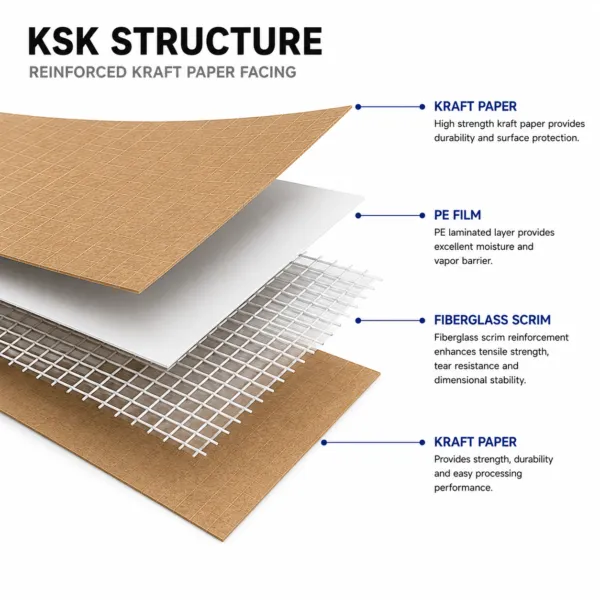
KSK Foil Facing Roll, Laminated Aluminum Foil + Scrim + Kraft Paper, Anti-Tear Thermal Barrier, Suitable for Commercial HVAC and Roof InsulationNegotiableMOQ: 500 Rolls
-
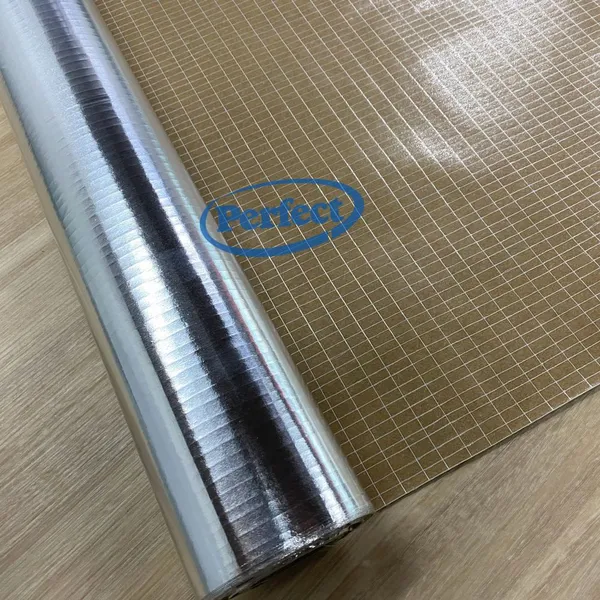
FSK Foil Scrim Kraft, FWF MSK MWV KSK Laminate Foils, Metalized PET MPET Vapor Barrier Facing for Insulation Glasswool RockwoolNegotiableMOQ: 100 Rolls
-
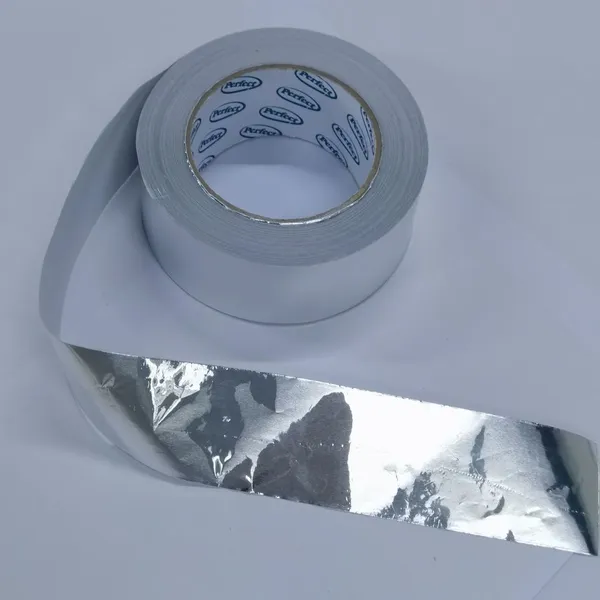
Reinforced Aluminium Foil Tape, Waterproof Anti-aging Tape, Widely Used in HVAC and Building Insulation ProjectsNegotiableMOQ: 500 Cartons
-
HVAC Aluminum Foil Sealing Tape, Strong Adhesion Heat Resistance for Pipe, Glass Wool and Rockwool InsulationNegotiableMOQ: 500 Cartons
-
Factory Supply Metalized PET MPET Laminate Foils, Aluminum Coated PET Film for Roof Wall InsulationNegotiableMOQ: 10000 Cubic Meters
-
Custom MPET Metalized PET Laminate Foils, VMPET Metallized Polyester Facing Film for Thermal InsulationNegotiableMOQ: 10000 Cubic Meters
-
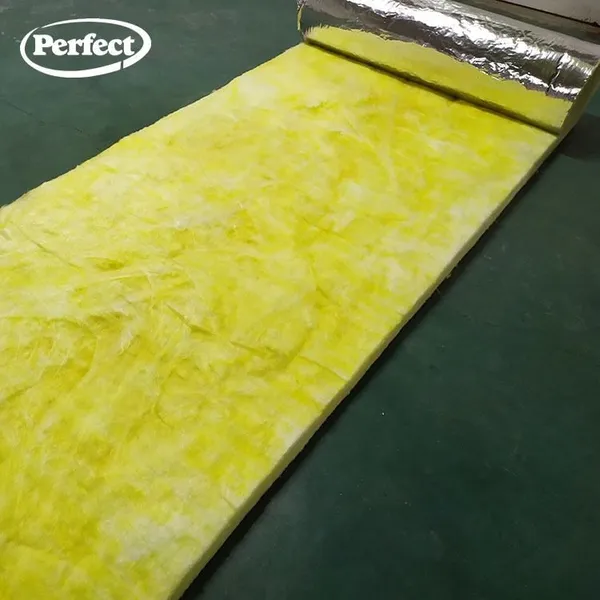
Glass Wool Insulation Series, Glasswool With FSK/FWF/MSK/MWV/KSK Facing, Metalized PET Laminate Foils, Heat & Sound Insulation for Commercial BuildingNegotiableMOQ: 100 Rolls
-
Rockwool Blanket With Black Firber GlassNegotiableMOQ: 100 Rolls
-
Glasswool Insulation Blanket & Board, FSK FWF MSK MWV KSK Foil Laminate, MPET Metalized PET Faced Glass Wool for HVAC, Roof, Wall, Air DuctNegotiableMOQ: 100 Rolls
-
Rockwool Insulation Roll, FSK Foil Faced Mineral Wool for Building Thermal & Acoustic Insulation, Fire Resistant Roof Wall Insulation MaterialNegotiableMOQ: 100 Rolls
-
FWF MSK FSK Foil Laminated Rock Wool Glass Wool Blanket, Metalized PET Laminate Foils Faced Insulation for HVAC and ConstructionNegotiableMOQ: 100 Rolls
-
Rockwool Insulation Board, Mineral Wool Rock Wool Slab for Building Thermal & Fire Insulation, Soundproof Rockwool Panel for Roof, Wall, HVAC SystemNegotiableMOQ: 100 Rolls
-
Rockwool Pipe Section, Mineral Wool Rock Wool Tube Insulation, Fire & Heat Resistant Rockwool for Steam Pipes, Industrial Pipeline Insulation ProjectNegotiableMOQ: 100 Rolls
-
Rockwool Board With FSK FacingNegotiableMOQ: 100 Rolls
-
Rockwool Insulation Slab With FSK Facing, Fireproof Rock Wool Board, Thermal & Sound Insulation Rockwool for Roof, Wall and Ductwork ApplicationNegotiableMOQ: 100 Rolls
-
Fireproof Foil Laminated Glass Wool, Laminate Foils MPET Faced Glasswool Insulation Roll & Sheet for Roofing, Wall, Duct and Pipe InsulationNegotiableMOQ: 100 Rolls