
 Business License
Blog Categories

Jinan United Perfect Building Materials: Foil Lamination Manufacturer Profile
A buyer in South America once asked a simple question during a supplier evaluation. The rolls were the right width, the price was competitive and the samples looked correct, but the buyer wanted to know one thing before placing a container order: what happens when something goes wrong.
That question separates a trading operation from a manufacturer. A foil lamination manufacturer answers it with a batch record, a retained sample and a named contact who can compare a field problem against a production reference. This profile sets out what Jinan United Perfect Building Materials Corporation does, how the company is structured, what it supplies, and how a buyer can evaluate it against the same criteria used for any other supplier.
1. Company Background of a Building Materials Manufacturer in China
Jinan United Perfect Building Materials Corporation was established in 2017 and is based in Jinan, Shandong Province. The company operates in the building materials sector, with a focus on foil lamination and the related flexible facings used in thermal insulation.
Buyers assessing a building materials manufacturer china based operation usually begin with the legal entity, the established year and the product constructions, and this profile sets out each in turn. The company sits in a supply chain that serves both domestic construction and export markets. A building materials manufacturer china buyers can audit on those three points is easier to place in a specification than one that lists products without figures.
| Item | Detail |
|---|---|
| Legal name | Jinan United Perfect Building Materials Corporation |
| Established | 2017 |
| Location | Jinan, Shandong Province, China |
| Sector | Building materials, flexible foil facings |
| Brand | United Perfect |
The company's position is that of a focused manufacturer rather than a broad-range supplier. That focus shapes how the product range has developed, and it also shapes how the company responds to a specification that departs from its standard grades.
2. Product Range of a Foil Lamination Supplier
The range is organised around the lamination process rather than around end-use markets, which means the same base technology serves several applications.
| Product Family | Construction | Typical Application |
|---|---|---|
| Aluglass foil facing | Foil, adhesive, glass reinforcement | HVAC, metal building insulation |
| Laminated foil facing | Foil bonded to scrim or kraft | Insulation facings, wrap products |
| Breathable membrane | Spunbonded polypropylene | Roof and wall assemblies |
| Synthetic underlayment | Woven or non-woven polymer | Roofing underlayment |
| Foil fabric laminate | Foil with woven reinforcement | Appliance and equipment insulation |
Each family shares the same approach: a functional layer bonded to a reinforcing layer, with the adhesive between them deciding how the finished product behaves. That common structure is why a foil lamination manufacturer can move between product families without changing its core process.
The range also spans several reinforcement grades within each family. Mesh count, fabric weight and foil thickness vary, and the combination determines whether a product suits a supported duct, an open purlin span or a vibrating equipment panel.
3. What a Foil Lamination Manufacturer Does Day to Day
The core operation is lamination: bonding a foil layer to a reinforcement using an adhesive system, then setting, cooling and winding the finished roll. As a foil lamination manufacturer, the company controls the bonding step directly rather than buying a finished laminate and reselling it.
Adhesive selection is the part that most affects service life, and it is also the part that buyers examine least often. A flame-retardant polyethylene adhesive behaves differently from an acrylic system under heat, and each has a temperature range where it performs. Matching the adhesive to the application's temperature and moisture conditions is a decision the manufacturer makes rather than one the buyer can see on a sample.
Quality control runs through the process rather than at the end of it. Foil thickness, adhesive weight, mesh count and bond strength are checked as the roll is produced, and a retained sample is taken from each batch. When a buyer later raises a field query, the retained sample is what allows the question to be answered with a measurement rather than an opinion.
That arrangement is the practical difference between a foil lamination supplier with a production line and a trading company that orders from one. Both can deliver material. One can also explain what changed if the next delivery performs differently.
4. Foil Lamination Supplier Profile: How the Company Serves Export Markets
Export work introduces requirements that domestic supply does not, and a foil lamination supplier profile is usually judged on how well those are handled.
Documentation is the first. Export orders need packing lists, certificates of origin and inspection records that match the invoiced quantity and the batch numbers on the rolls. A supplier that treats these as an afterthought creates delays at destination even when the material is correct.
Packing is the second. Foil facings ship as rolls, and rolls that are loaded flat or crushed in transit arrive with damaged edges. Standing rolls on end, with edge protection, is a straightforward practice that some suppliers omit.
Crating and container loading affect the delivered condition more than most buyers expect. A roll that has been compressed under its own weight for a sea voyage can develop a permanent flat section, which then shows as a defect at the point where the roll is unwound during installation.
Responsiveness to a specification change is the third. Where a buyer needs a different roll width or a different mesh for a second phase, the supplier's ability to confirm that change in writing and reflect it in the next production run decides whether the project stays on schedule.
5. Foil Lamination Manufacturer Export Regions Served
The company supplies buyers across several regions, and the product mix that suits each one differs in ways that are worth stating plainly.
| Region | Typical Demand | Product Focus |
|---|---|---|
| North America | Synthetic underlayment, foil facings | Underlayment, metal building facings |
| Europe, Northern and Western | Breathable membranes, foil facings | Roof and wall membranes |
| Europe, Eastern | Foil facings, insulation wrap | Metal building facing |
| Southeast Asia | Duct facings, equipment insulation | Foil fabric laminates |
| Mid East | Insulation facings, underlayment | Foil facings |
| Oceania | Roofing underlayment, membranes | Underlayment, breather membranes |
| South America | Foil facings, insulation wrap | Metal building facing |
| Africa | Foil facings, membranes | General facing grades |
| Eastern Asia | Appliance and equipment insulation | Foil fabric laminates |
Regional demand shapes the specification conversation. A North American buyer ordering synthetic underlayment is usually working to a local code requirement, while a European buyer ordering a breathable membrane is usually working to a diffusion and water resistance requirement. The two conversations use different vocabulary for the same underlying material properties, and a supplier serving both markets has to be able to move between them.
6. How to Evaluate a Building Materials Manufacturer in China
An evaluation is more productive when it follows a fixed sequence, because a strong answer at one step can mask a weak answer at another. Buyers comparing a building materials manufacturer china candidate against a domestic supplier should apply the same sequence to both.
Start with the legal entity and the established year. Confirm these against documents rather than against a brochure, and treat an unverifiable date or an unnamed entity as a question to resolve before an order. On a building materials manufacturer china enquiry, this first step also establishes which legal entity will appear on the invoice and the certificate of origin, which matters when a claim or a customs query later arises.
Then ask for the construction of the product in figures. Mesh count, reinforcement weight, foil thickness and adhesive chemistry should all be available, and each should be stated on a defined basis.
Then ask about retained samples and batch records. A supplier that keeps these can answer a field query with a measurement. A supplier that does not will answer it with an explanation, and explanations are harder to rely on when a project is behind schedule.
Then run a trial. A short order placed and inspected at the site gate reveals more than a sample pack, because it tests packing, documentation and the actual production material together.
7. Case Notes From Foil Lamination Supplier Profile Evaluations
A buyer in Oceania evaluated three foil lamination suppliers for a roofing underlayment programme. Two provided samples and datasheets, and the third provided those plus a retained reference from the batch the samples were drawn from. The buyer ordered a trial container from the third supplier and found the delivered material matched the reference on weight and width. The programme moved to that supplier for the following year.
A contractor in Eastern Europe placed an order with a supplier who could not confirm the reinforcement construction in figures. The first container arrived with a mesh lighter than the sample had suggested, and the facing under-performed on a purlin span. The order was re-specified and the second container was correct, but the project had lost three weeks. The cost of the delay exceeded the difference in material price between the two suppliers originally considered.
Both cases came down to documentation and traceability rather than to price or to product appearance.
8. Working With United Perfect Building Materials
United Perfect Building Materials, part of Jinan United Perfect Building Materials Corporation, supplies foil facings, breathable membranes and underlayment products to buyers in North America, Europe, Southeast Asia, the Mid East, Oceania, South America, Africa and Eastern Asia. The company operates from Jinan, Shandong Province, and has done so since 2017.
The company quotes mesh count, reinforcement weight, foil thickness and adhesive chemistry on a stated basis, and holds retained samples by production batch. Buyers can request the corresponding reference number with an order, which allows a delivered roll to be checked against the reference used at approval. United Perfect also provides inspection records with each shipment covering roll-end condition, width and batch traceability.
For buyers comparing a foil lamination supplier profile against several candidates, the company can supply a trial quantity, the datasheet for the grade ordered and a retained reference from the production batch. Those three items together allow a comparison on the criteria that matter in service rather than on price alone.
9. FAQ About Selecting a Foil Lamination Manufacturer
9.1 What does a foil lamination manufacturer actually produce?
The core product is a roll in which a functional layer, usually aluminum foil, is bonded to a reinforcing layer with an adhesive. The reinforcement may be glass fabric, scrim or a polymer non-woven, and the adhesive may be a flame-retardant polyethylene or an acrylic system. The manufacturer controls the bonding process, the layer weights and the finished roll dimensions. What distinguishes one manufacturer from another is the consistency of that bonding across a full roll and across successive batches, rather than the visible appearance of a sample.
9.2 How do I verify a building materials manufacturer in China?
Ask for the legal entity name and the established year, then check them against documents rather than a brochure. Ask for the construction of the product in figures with the basis stated, and ask whether retained samples are kept by batch. Where the candidate is a building materials manufacturer china based supplier, the same three questions apply as for any other. That sequence tests the entity, the product definition, the traceability and the delivery process in order, and it usually reveals more than any single document can.
9.3 What should a foil lamination supplier profile include?
It should cover the legal entity and its established year, the product families and their constructions, the reinforcement grades available within each family, the markets served and the documentation supplied with an order. A profile that lists products without constructions is difficult to use in a specification. A profile that names the entity, the year and the product figures can be checked against a sample, which is what makes it useful during an evaluation and not just at a first enquiry.
9.4 Does the established year matter when choosing a supplier?
It matters as one input rather than as a ranking. A company established recently can have experienced staff and a well-controlled process, and a long-established company can have equipment that no longer matches current demand. The year is most useful when it is checked against what the company claims about its history, since an unverifiable date raises a question about how other claims have been assembled. Confirm it alongside the product figures and the batch records rather than treating it as decisive on its own.
9.5 What documents should accompany an export shipment?
At minimum, a packing list that matches the invoiced quantities, a certificate of origin where the destination requires one, and an inspection record covering the delivered condition. Where the order specifies a grade by figures, the inspection record should reference those figures rather than a product name alone. Buyers handling claims at destination benefit most from records that tie each roll to a batch number, because that tie is what allows a field observation to be compared against a production reference months after the shipment left.
Recently Posted
-
From Felt to Synthetic Underlayment in North American Roofing
November 3, 2026A roofing supplier in North America once kept both felt and synthetic underlayment on the same rack and watched the split shift wi Read More
-
QC Checklist for Synthetic Underlayment Before Shipment
November 3, 2026A buyer in North America once received a shipment in which the lengths on the packing list were correct and the rolls at the centr Read More
-
Synthetic Underlayment Slitting Winding and Roll Diameter Control
November 2, 2026A buyer in North America once rejected a container of synthetic underlayment because the rolls at one end had flattened into an ov Read More
-
Synthetic Underlayment for Tropical and Desert Roofing Projects
November 2, 2026Two projects in the same product family can fail for opposite reasons. A tropical roof underlayment in Southeast Asia can be ruine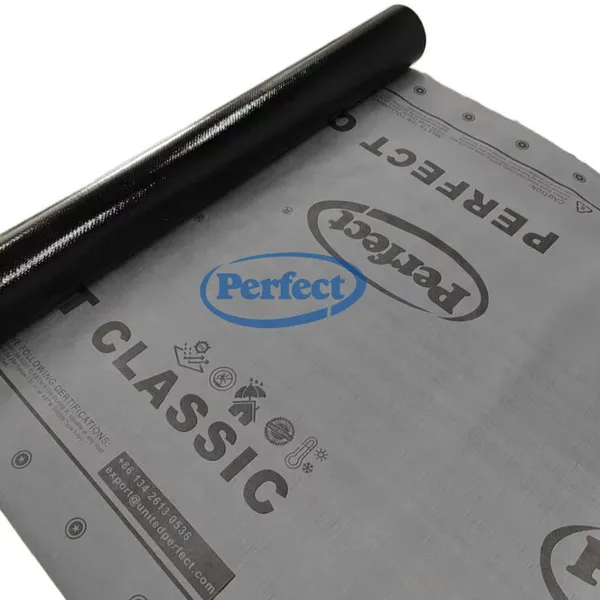 Read More

Contact Us
Recommended Products
-
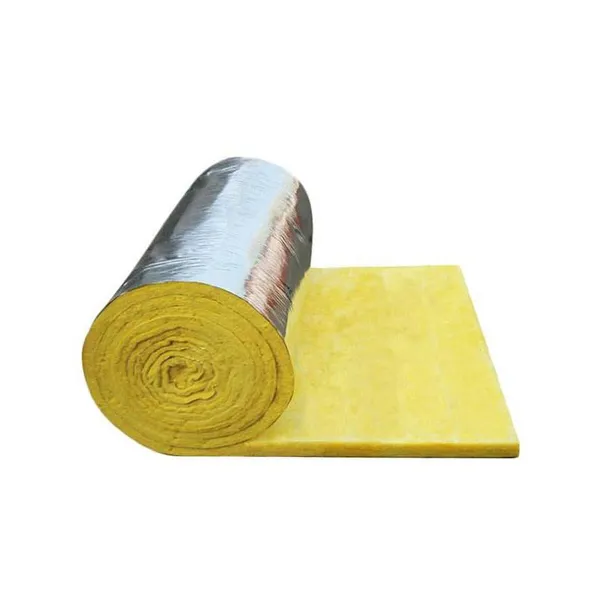
 Glasswool Blanket With FSK FacingNegotiableMOQ: 100 Rolls
-
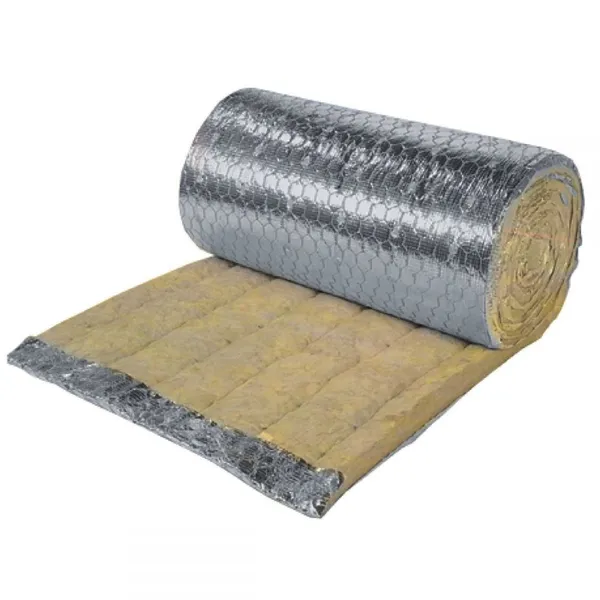
Rockwool Blanket With Wire MeshNegotiableMOQ: 100 Rolls
-
Rockwool Blanket With FSK FacingNegotiableMOQ: 100 Rolls
-
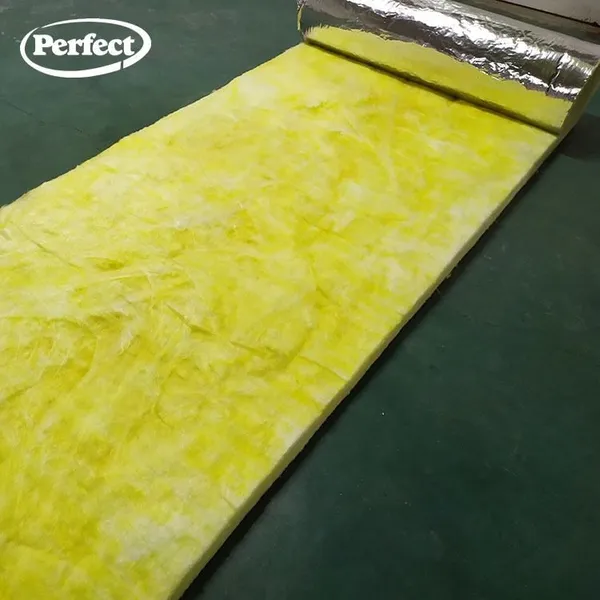
CE Certified Glass Wool Insulation, Glasswool Fiberglass, Low Thermal Conductivity, Noise Reduction for Wall, Roof and Industrial EquipmentNegotiableMOQ: 100 Rolls
-
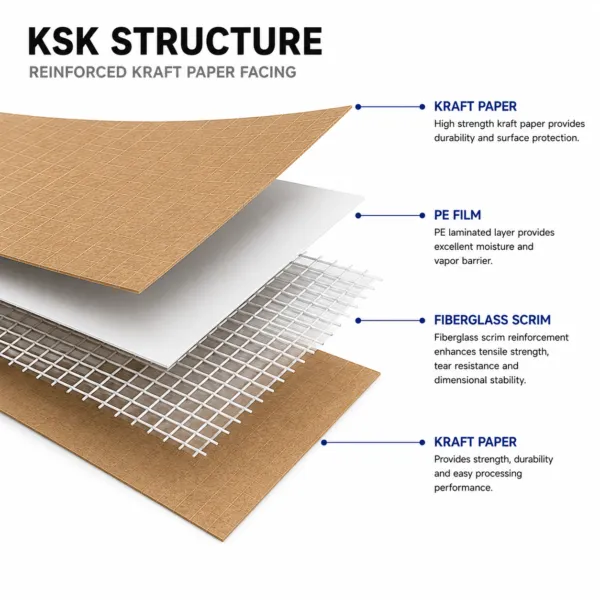
KSK Foil Facing Roll, Laminated Aluminum Foil + Scrim + Kraft Paper, Anti-Tear Thermal Barrier, Suitable for Commercial HVAC and Roof InsulationNegotiableMOQ: 500 Rolls

-
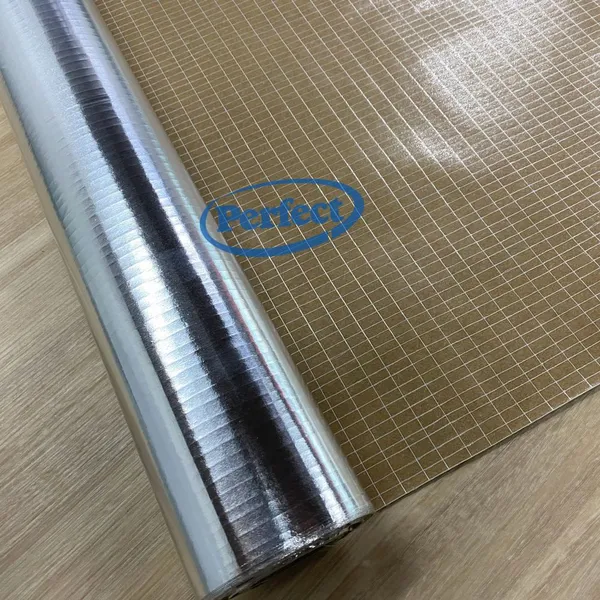
FSK Foil Scrim Kraft, FWF MSK MWV KSK Laminate Foils, Metalized PET MPET Vapor Barrier Facing for Insulation Glasswool RockwoolNegotiableMOQ: 100 Rolls
-
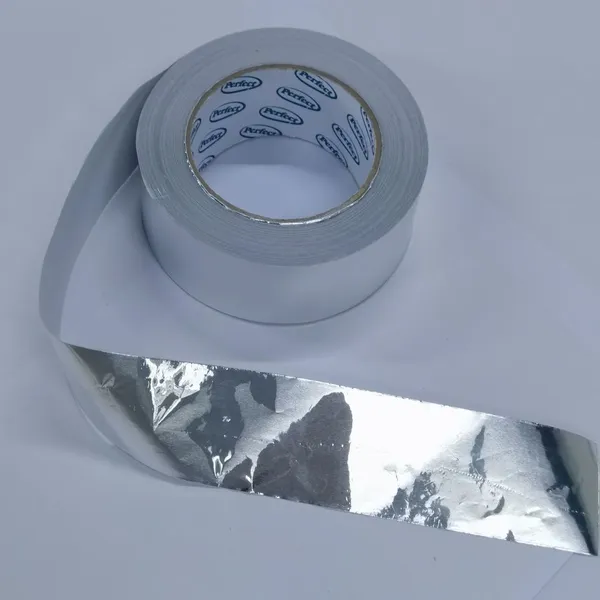
Reinforced Aluminium Foil Tape, Waterproof Anti-aging Tape, Widely Used in HVAC and Building Insulation ProjectsNegotiableMOQ: 500 Cartons
-
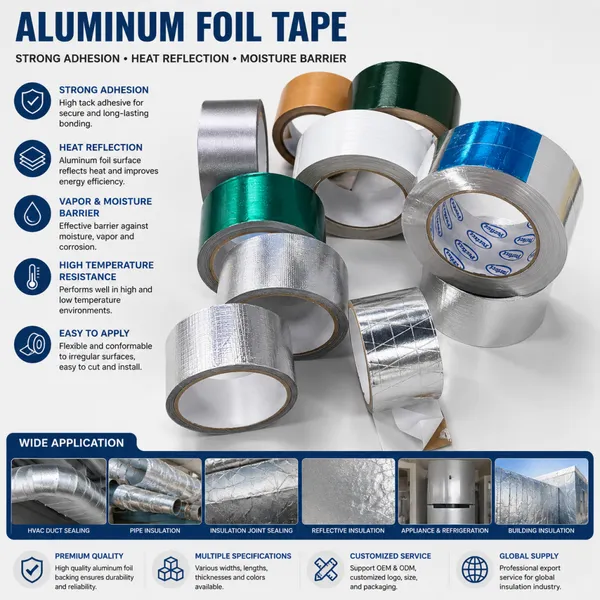
HVAC Aluminum Foil Sealing Tape, Strong Adhesion Heat Resistance for Pipe, Glass Wool and Rockwool InsulationNegotiableMOQ: 500 Cartons
-
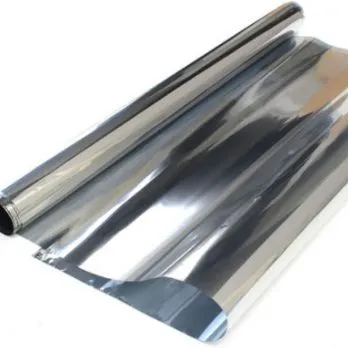
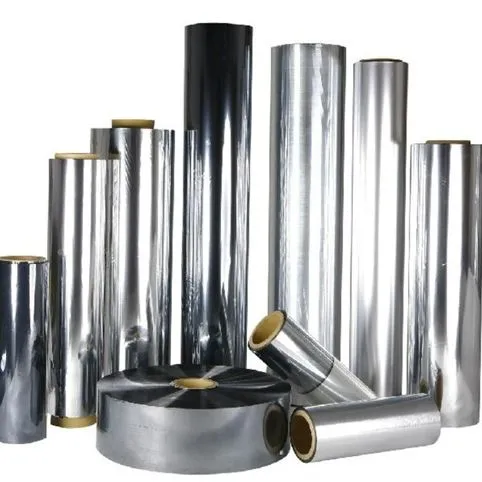
Factory Supply Metalized PET MPET Laminate Foils, Aluminum Coated PET Film for Roof Wall InsulationNegotiableMOQ: 10000 Cubic Meters
-
Custom MPET Metalized PET Laminate Foils, VMPET Metallized Polyester Facing Film for Thermal InsulationNegotiableMOQ: 10000 Cubic Meters
-
Glass Wool Insulation Series, Glasswool With FSK/FWF/MSK/MWV/KSK Facing, Metalized PET Laminate Foils, Heat & Sound Insulation for Commercial BuildingNegotiableMOQ: 100 Rolls
-
Rockwool Blanket With Black Firber GlassNegotiableMOQ: 100 Rolls
-
Glasswool Insulation Blanket & Board, FSK FWF MSK MWV KSK Foil Laminate, MPET Metalized PET Faced Glass Wool for HVAC, Roof, Wall, Air DuctNegotiableMOQ: 100 Rolls
-
Rockwool Insulation Roll, FSK Foil Faced Mineral Wool for Building Thermal & Acoustic Insulation, Fire Resistant Roof Wall Insulation MaterialNegotiableMOQ: 100 Rolls
-
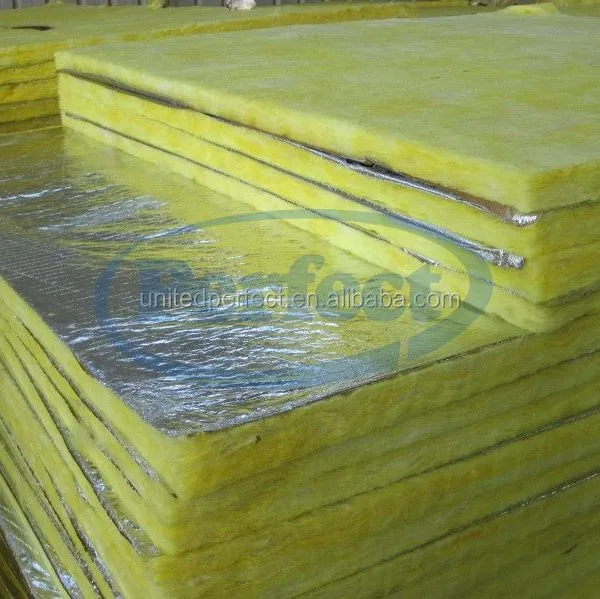
FWF MSK FSK Foil Laminated Rock Wool Glass Wool Blanket, Metalized PET Laminate Foils Faced Insulation for HVAC and ConstructionNegotiableMOQ: 100 Rolls
-
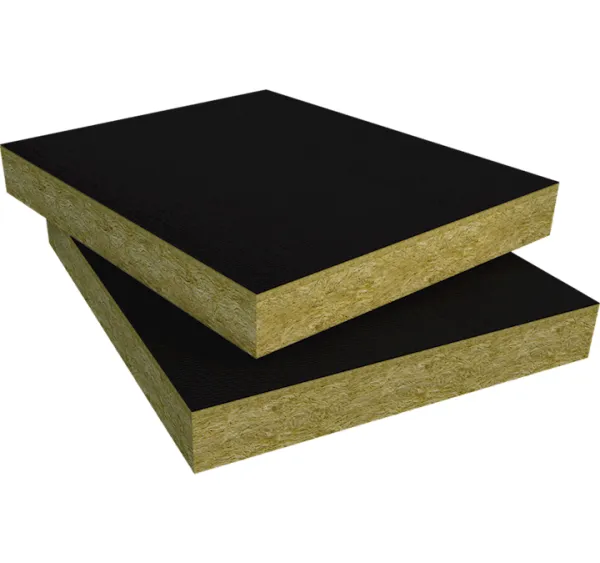
Rockwool Insulation Board, Mineral Wool Rock Wool Slab for Building Thermal & Fire Insulation, Soundproof Rockwool Panel for Roof, Wall, HVAC SystemNegotiableMOQ: 100 Rolls
-
Rockwool Pipe Section, Mineral Wool Rock Wool Tube Insulation, Fire & Heat Resistant Rockwool for Steam Pipes, Industrial Pipeline Insulation ProjectNegotiableMOQ: 100 Rolls
-
Rockwool Board With FSK FacingNegotiableMOQ: 100 Rolls
-
Rockwool Insulation Slab With FSK Facing, Fireproof Rock Wool Board, Thermal & Sound Insulation Rockwool for Roof, Wall and Ductwork ApplicationNegotiableMOQ: 100 Rolls
-
Fireproof Foil Laminated Glass Wool, Laminate Foils MPET Faced Glasswool Insulation Roll & Sheet for Roofing, Wall, Duct and Pipe InsulationNegotiableMOQ: 100 Rolls