
 Business License
Blog Categories

Inside Our Production Lines: Laminating Coating and Slitting
A buyer in Eastern Europe once asked why two laminates that met the same specification behaved differently on the same machine. The answer was on the line rather than in the specification. The two suppliers ran different laminating coating slitting lines, and the nip pressure and the line speed produced a different bond at the same nominal figures.
Jinan United Perfect Building Materials Corporation laminates, coats, slits and winds foil facings, membranes and underlayments for building applications. The equipment on the line decides what can be produced, and the process settings decide how consistently it is produced. This article describes the operations, the building material production capability they provide, and what a custom lamination service means in practice.
1. Laminating Coating Slitting Lines at Jinan United Perfect
Laminating coating slitting lines are the core of the plant, and they combine three operations that are often separated.
The laminating station brings two webs together with an adhesive or a heat-activated bond and presses them at a nip. The coating station applies a functional layer, which may be a film, a lacquer or a release agent. The slitting station cuts the finished web to the ordered widths, and the winding station builds the finished rolls to the required diameter and hardness.
| Station | What It Does | What It Controls |
|---|---|---|
| Unwind | Feeds the substrate web | Tension, tracking |
| Laminating | Bonds two webs | Bond strength, flatness |
| Coating | Applies a functional layer | Coat weight, coverage |
| Slitting | Cuts to finished width | Width, edge condition |
| Winding | Builds the finished roll | Diameter, roll hardness |
Combining the three operations on one line matters for consistency, because the web is not re-handled between them. A web that is laminated, then wound, then transported to a separate slitting line is exposed to handling between the stages, and each handling is a chance for a crease or a tension change. Running the operations in sequence keeps the tension profile continuous from the unwind to the finished roll. It is also why the building material production capability of a plant is described by the range of lines it runs rather than by a single machine.
2. The Laminating Operation on Laminating Coating Slitting Lines
The laminating operation bonds a foil, a film or a scrim to a substrate, and the strength of that bond decides whether the product survives its service life.
Two webs are brought together with an adhesive between them and passed through a nip where pressure and often temperature are applied. The adhesive is either a solvent-based or a water-based system that is dried before the nip, or a hot-melt system applied at the nip, or a heat-activated layer on one of the webs.
The bond quality depends on the adhesive weight, the nip pressure, the temperature and the line speed. An under-cured or under-pressed bond delaminates in service, usually at the edges first, and the failure appears as peeling rather than as a complete separation.
| Bond System | How It Sets | Consideration |
|---|---|---|
| Solvent-based | Dried before the nip | Strong, requires extraction |
| Water-based | Dried before the nip | Lower odour, slower drying |
| Hot melt | Applied at the nip | Fast, sensitive to temperature |
| Heat activated | Activated at the nip | No added adhesive, needs control |
The bond also has to survive the slitting and the winding, which apply a load at the edge of the laminate. A bond that is adequate in the flat is often marginal at a slit edge, which is why the edge condition and the bond strength are checked together rather than separately.
3. Building Material Production Capability
The building material production capability of a plant is described by its range rather than by a single product, and range comes from the equipment and the process control.
Jinan United Perfect Building Materials Corporation produces foil facings for insulation, roof sarking, breathable membranes and synthetic underlayments. Those products differ in substrate, in coating and in the figures they have to hold, and they share the same set of line operations.
| Product Family | Substrate | Key Figure |
|---|---|---|
| Foil facing | Aluminium foil on scrim or kraft | Bond strength, reflectivity |
| Roof sarking | Foil laminate | Vapour resistance, tear |
| Breathable membrane | Non-woven with a functional layer | Water resistance, diffusion |
| Synthetic underlayment | Woven or non-woven polymer | Tear resistance, weight |
The range matters to a buyer who needs more than one product for the same project, because it allows the facings, the membranes and the underlayments to be ordered together with the figures quoted on the same basis. It also matters where a project needs a facing matched to an insulation that comes from another source, because the facing can be produced to the insulation rather than the other way around. The building material production capability of the plant is what makes that matching practical rather than a special arrangement.
4. What a Custom Lamination Service Covers
A custom lamination service covers the specification of the laminate, the process settings that produce it, and the confirmation that the finished roll meets the figures.
The specification work begins with the application rather than the product. The substrate, the facing, the adhesive system and the required figures follow from what the laminate has to do, whether that is to reflect radiant heat, to resist vapour, to shed water or to carry a load.
The process work translates the specification into settings on the line. The adhesive weight, the nip pressure, the temperature and the line speed are chosen for the combination, and a trial run confirms that the figures are met before the production run begins.
The confirmation work covers the finished roll. The width, the length, the roll diameter and the roll hardness are measured, and the bond strength is tested against the reference. Retained samples are held by production batch so that a later delivery can be checked against the same reference.
5. Coating Weight and Building Material Production Capability
The coating weight is the figure that most often separates a consistent product from an inconsistent one, and it is the hardest to hold.
The coating weight is the mass of the functional layer applied per unit area of the web. It determines the vapour resistance, the reflectivity and the surface character of the finished laminate. A variation across the web or along the length changes those properties locally, and the change is not visible on the finished roll.
Holding the coating weight requires the applicator, the drying and the line speed to be controlled together. A web that runs faster than the drying can support carries a wetter coating into the nip, which produces a different bond. A web that runs slower than the applicator can support carries an excess of coating, which adds weight without adding performance.
The consistency is confirmed by sampling the web at intervals across the run and weighing the samples, which is why a retained sample programme is part of the process rather than an administrative step.
6. Case Notes on Building Material Production Capability
A buyer in Western Europe specified a foil facing by thickness and aluminium weight and received two deliveries that behaved differently in the same application. The difference was the adhesive weight, which had been changed for a production reason without a corresponding change in the specification. The supplier introduced the adhesive weight as a named figure on the certificate, and the two deliveries then matched.
A second case involved a laminating coating slitting line running a new substrate at a line speed set for the previous material. The bond passed the peel test in the flat and failed at the slit edge. Reducing the line speed to give the adhesive more time before the nip removed the failure, and the change was recorded as part of the process setting for that substrate.
Both cases show the same point. The figures on a certificate describe the product, and the settings of the building material production capability that produced them have to be recorded alongside the figures if a repeat delivery is to match.
7. How Custom Lamination Service Orders Are Handled
A custom lamination service order begins with the application and the figures rather than with a product name, because the same application can be served by more than one build-up.
The order then fixes the substrate, the facing, the adhesive system and the target figures, and a trial run confirms the combination before the production run. The trial decides the process settings and produces the reference sample that later deliveries are checked against.
The production run records the width, the length, the roll diameter, the roll hardness and the adhesive weight for each batch. Those figures travel with the delivery, so a buyer can compare a consignment against the reference without opening every roll.
Jinan United Perfect Building Materials Corporation handles custom lamination requests on that basis, and can quote the figures for a new build-up after a trial rather than from a catalogue alone. A custom lamination service is therefore quoted from a confirmed trial rather than from a catalogue. Buyers in Oceania, Europe and North America can request a sample from a trial batch before committing to a production quantity.
8. Jinan United Perfect Building Materials Corporation Profile
Jinan United Perfect Building Materials Corporation operates laminating, coating, slitting and winding lines and supplies foil facings, roof sarking, breathable membranes and synthetic underlayments to buyers in North America, Europe, Oceania and the Mid East. The laminating coating slitting lines run continuously, and the coating and winding stations are controlled from the same panel, which is what allows a laminate to be produced to a stated adhesive weight rather than to a range.
The company quotes the substrate, the facing, the adhesive weight and the key performance figures for each grade, which allows a laminate to be specified on stated figures rather than on a product name. United Perfect Building Materials holds retained samples by production batch, so a delivered roll can be checked against the reference used at approval.
Jinan United Perfect Building Materials can confirm the coating weight and the bond strength in writing where those figures decide the application, and can arrange a trial run for a new build-up before a production order is placed.
9. FAQ About Laminating Coating and Slitting
9.1 What products come off these lines?
Foil facings for insulation, roof sarking, breathable membranes and synthetic underlayments, and the range follows from the same set of operations. The laminating station bonds a foil, a film or a scrim to a substrate, the coating station applies the functional layer, and the slitting and winding stations produce the finished roll. Because the operations are on one line, a buyer who needs facings and membranes for the same project can order them together with the figures quoted on the same basis.
9.2 What does a custom lamination service include?
It includes the specification, the process settings and the confirmation of the finished roll. The specification starts from the application and fixes the substrate, the facing, the adhesive system and the target figures, while the process work translates those into adhesive weight, nip pressure, temperature and line speed. A trial run confirms the figures before the production run, and a custom lamination service is quoted from that confirmed trial rather than from a catalogue. The finished roll is then measured for width, length, diameter and hardness, with samples retained by batch for later comparison.
9.3 How is bond strength controlled on the line?
It is controlled through the adhesive weight, the nip pressure, the temperature and the line speed, which are set for the specific combination of substrate and facing. The bond is tested against a reference, and the test is done at the slit edge as well as in the flat, because a bond that passes in the flat can fail at an edge. The settings for a combination are recorded so that a repeat order can be produced to the same figures rather than re-derived.
9.4 Can the coating weight be held consistently?
It can, and holding it requires the applicator, the drying and the line speed to be controlled together. The coating weight determines the vapour resistance, the reflectivity and the surface character of the laminate, so a variation across the web changes those properties locally without any visible sign on the finished roll. Consistency is confirmed by sampling across the run and weighing the samples, and the coating weight is quoted as a figure on the certificate so that a delivery can be checked against it.
9.5 What information comes with a batch?
Each batch is recorded with the width, the length, the roll diameter, the roll hardness, the adhesive weight where a laminate is involved, and the key performance figures for the grade. A retained sample is held against the same batch reference, so a buyer can compare a later delivery with the reference used at approval. Jinan United Perfect Building Materials can also confirm the coating weight and the bond strength in writing where those figures decide the application, and can arrange a trial run for a new build-up before a production order is placed.
Recently Posted
-
From Felt to Synthetic Underlayment in North American Roofing
November 3, 2026A roofing supplier in North America once kept both felt and synthetic underlayment on the same rack and watched the split shift wi Read More
-
QC Checklist for Synthetic Underlayment Before Shipment
November 3, 2026A buyer in North America once received a shipment in which the lengths on the packing list were correct and the rolls at the centr Read More
-
Synthetic Underlayment Slitting Winding and Roll Diameter Control
November 2, 2026A buyer in North America once rejected a container of synthetic underlayment because the rolls at one end had flattened into an ov Read More
-
Synthetic Underlayment for Tropical and Desert Roofing Projects
November 2, 2026Two projects in the same product family can fail for opposite reasons. A tropical roof underlayment in Southeast Asia can be ruine Read More

Contact Us
Recommended Products
-
 Glasswool Blanket With FSK FacingNegotiableMOQ: 100 Rolls
-
Rockwool Blanket With Wire MeshNegotiableMOQ: 100 Rolls
-
Rockwool Blanket With FSK FacingNegotiableMOQ: 100 Rolls
-
CE Certified Glass Wool Insulation, Glasswool Fiberglass, Low Thermal Conductivity, Noise Reduction for Wall, Roof and Industrial EquipmentNegotiableMOQ: 100 Rolls
-
KSK Foil Facing Roll, Laminated Aluminum Foil + Scrim + Kraft Paper, Anti-Tear Thermal Barrier, Suitable for Commercial HVAC and Roof InsulationNegotiableMOQ: 500 Rolls
-
FSK Foil Scrim Kraft, FWF MSK MWV KSK Laminate Foils, Metalized PET MPET Vapor Barrier Facing for Insulation Glasswool RockwoolNegotiableMOQ: 100 Rolls
-
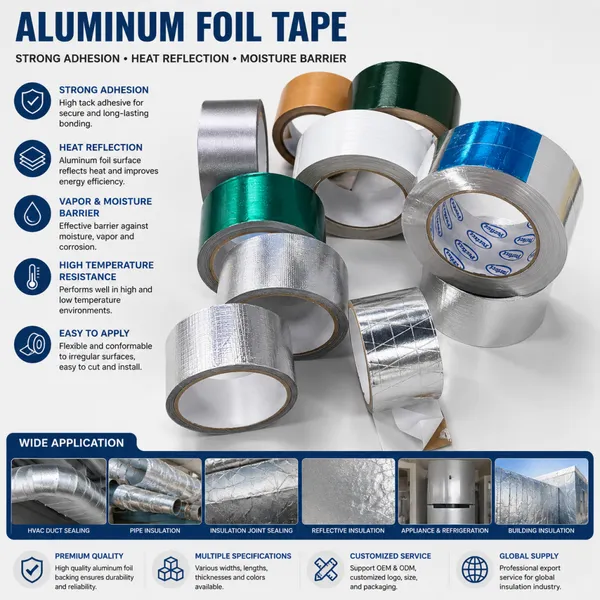
Reinforced Aluminium Foil Tape, Waterproof Anti-aging Tape, Widely Used in HVAC and Building Insulation ProjectsNegotiableMOQ: 500 Cartons
-
HVAC Aluminum Foil Sealing Tape, Strong Adhesion Heat Resistance for Pipe, Glass Wool and Rockwool InsulationNegotiableMOQ: 500 Cartons
-
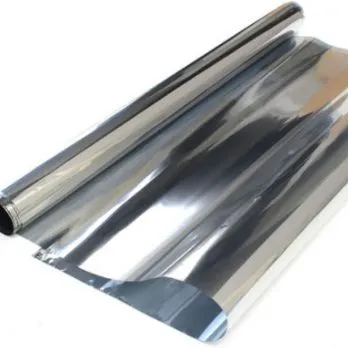
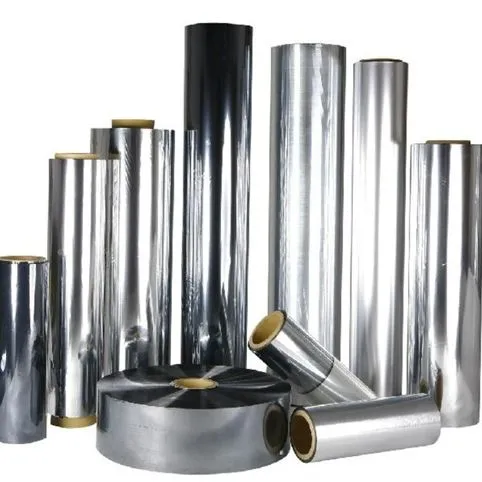
Factory Supply Metalized PET MPET Laminate Foils, Aluminum Coated PET Film for Roof Wall InsulationNegotiableMOQ: 10000 Cubic Meters
-
Custom MPET Metalized PET Laminate Foils, VMPET Metallized Polyester Facing Film for Thermal InsulationNegotiableMOQ: 10000 Cubic Meters
-
Glass Wool Insulation Series, Glasswool With FSK/FWF/MSK/MWV/KSK Facing, Metalized PET Laminate Foils, Heat & Sound Insulation for Commercial BuildingNegotiableMOQ: 100 Rolls
-
Rockwool Blanket With Black Firber GlassNegotiableMOQ: 100 Rolls
-
Glasswool Insulation Blanket & Board, FSK FWF MSK MWV KSK Foil Laminate, MPET Metalized PET Faced Glass Wool for HVAC, Roof, Wall, Air DuctNegotiableMOQ: 100 Rolls
-
Rockwool Insulation Roll, FSK Foil Faced Mineral Wool for Building Thermal & Acoustic Insulation, Fire Resistant Roof Wall Insulation MaterialNegotiableMOQ: 100 Rolls
-
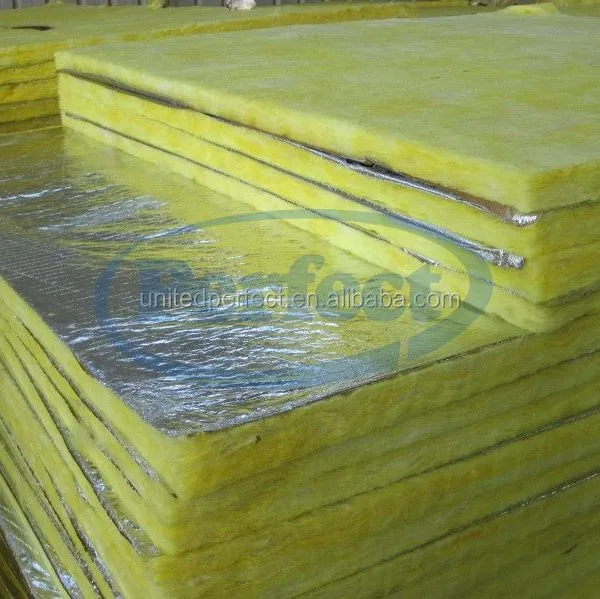
FWF MSK FSK Foil Laminated Rock Wool Glass Wool Blanket, Metalized PET Laminate Foils Faced Insulation for HVAC and ConstructionNegotiableMOQ: 100 Rolls
-
Rockwool Insulation Board, Mineral Wool Rock Wool Slab for Building Thermal & Fire Insulation, Soundproof Rockwool Panel for Roof, Wall, HVAC SystemNegotiableMOQ: 100 Rolls
-
Rockwool Pipe Section, Mineral Wool Rock Wool Tube Insulation, Fire & Heat Resistant Rockwool for Steam Pipes, Industrial Pipeline Insulation ProjectNegotiableMOQ: 100 Rolls
-
Rockwool Board With FSK FacingNegotiableMOQ: 100 Rolls
-
Rockwool Insulation Slab With FSK Facing, Fireproof Rock Wool Board, Thermal & Sound Insulation Rockwool for Roof, Wall and Ductwork ApplicationNegotiableMOQ: 100 Rolls
-
Fireproof Foil Laminated Glass Wool, Laminate Foils MPET Faced Glasswool Insulation Roll & Sheet for Roofing, Wall, Duct and Pipe InsulationNegotiableMOQ: 100 Rolls