
 Business License
Blog Categories

How to Source Aluglass Foil Facing from China: Buyer Checklist
An importer in South America once placed a first order for aluglass foil facing based on a single quoted price and a photograph. The shipment arrived on time and the outer cartons looked correct. When the rolls were opened, the mesh count was half what the sample had shown, and the tensile test failed at roughly 60 percent of the value the buyer had been given.
The importer had no agreed test method, no retained sample and no inspection record. The claim went nowhere, and the buyer absorbed the loss. Sourcing an aluglass foil facing supplier well is not complicated, but it is specific, and the specificity lives in documents rather than in conversations.
1. Aluglass Laminate Sourcing Starts With the Application
Aluglass laminate sourcing goes wrong most often at the first step, when a buyer requests quotes before describing the application. Suppliers then quote whatever grade is easiest to run, and the buyer compares prices for products that are not equivalent.
Describe four things before asking for a quote: the substrate the facing will be applied to, the method of fixing, the exposure conditions, and the target service life. A facing fixed with stick pins across open purlins needs a different reinforcement from one laminated to a duct board and never touched again.
Once those four answers are on the table, a capable supplier can propose a grade with reasoning attached. That reasoning is the first signal of whether the supplier understands the product or is simply reselling it from someone else's inventory. United Perfect Building Materials answers these questions from the production side, because the laminating, coating and slitting steps that decide the grade all run under the same roof.
2. Questions for Screening an Aluglass Foil Facing Supplier
Most of what separates a manufacturer from a trader becomes visible in the first exchange. The questions below produce useful answers rather than marketing language, and each one can be checked quickly.
| Question | What a Good Answer Contains | Warning Sign |
|---|---|---|
| Do you laminate in house? | Names the laminating lines and process steps | Vague reference to partner factories |
| What is the foil thickness? | A figure in microns | A total weight with no foil breakdown |
| What adhesive is used? | A chemistry, plus the bonding method | A trade name with no composition |
| How is peel strength tested? | A standard method and an aging condition | A single number with no method |
| Can you slit to width? | Confirmation with a stated tolerance | Standard widths with no tolerance given |
| What is the MOQ per grade? | A figure per construction and width | One figure for the whole catalogue |
A supplier who laminates in house can answer the first four questions without checking with anyone. That single fact removes a large share of the risk in this category, because it means the answers come from the people who control the process rather than from a sales desk that has to relay them. It also means a specification change can be discussed directly rather than passed up and down a supply chain.
3. The Foil Facing Buyer Checklist for Quotation Stage
The checklist below is the one worth keeping open while evaluating quotes. It doubles as the foil facing buyer checklist used at the order stage, so every line has to be answerable from a document rather than from a conversation, which is what makes it useful for comparison.
| Item | What to Confirm |
|---|---|
| Foil thickness | Stated in microns, not as total grams alone |
| Reinforcement | Mesh count or fabric weight, in both directions |
| Adhesive | Chemistry, coat weight and bonding method |
| Tensile strength | Machine and cross direction figures |
| Peel strength | Value, test method and aging condition |
| Emissivity | Figure with the test method named |
| Roll width | Requested width plus cutting tolerance |
| Roll length | Meters per roll and core diameter |
| MOQ | Per grade, not per catalogue |
| Sample terms | Free or paid, and who pays the courier |
| Lead time | Quoted from order confirmation, not from inquiry |
| Inspection | Who inspects, and what record is issued |
Twelve lines is enough to separate quotations that are genuinely comparable from quotations that merely look similar on a spreadsheet. When two prices differ by more than about 15 percent against the same completed foil facing buyer checklist, the difference is usually in the specification rather than in the margin.
4. Sampling Before an Aluglass Laminate Sourcing Order
A retained sample is the least expensive risk control in the whole procurement process. Order a sample of the exact grade, keep it sealed and dated, and write the specification reference on the label.
When the production batch arrives, compare against the retained sample rather than against memory. Cut both at 45 degrees, peel a 50 millimetre strip by hand, and compare the cut edge and the failure surface side by side.
Where a laboratory is available, run tensile and peel tests on both and record the results. A sample that has been kept correctly turns a disagreement about perception into a comparison of numbers, which is a far shorter conversation and a much easier claim to settle.
Sampling also reveals how a supplier behaves before money changes hands. A supplier who sends the exact grade requested, labelled with the specification reference, is telling the buyer something useful about how the production order will be handled.
5. Commercial Terms When Selecting an Aluglass Foil Facing Supplier
Payment structure should match the relationship stage. First orders typically run on a deposit against order confirmation with the balance against a copy of the shipping documents, and repeat orders move toward more open terms as trust accumulates on both sides. Buyers assessing an aluglass foil facing supplier for the first time should treat the payment structure as part of the evaluation rather than as a separate negotiation.
Specify the inspection point in the contract. Pre-shipment inspection at the factory, with a written record and photographs, is standard for this product category and costs very little relative to the value of the shipment.
Agree the specification in writing as an annex to the purchase order, including test methods. A specification that lives in an email thread is difficult to enforce once the goods are on the water and the negotiating position has changed.
6. Case Notes on Aluglass Foil Facing Supplier Selection
A distributor in Eastern Europe had bought this material from a trading company for two seasons with acceptable results, then switched to a direct manufacturer after a price increase. The direct supplier required a larger MOQ per grade and a longer first lead time, roughly two weeks more than the trader had quoted.
Over the following year, the distributor recorded a 41 percent reduction in claims tied to delamination and a 12 percent reduction in landed cost per square meter once the trader margin was removed. The larger MOQ was absorbed by combining two grades in one order rather than by increasing stock, which kept the working capital impact close to zero across the transition.
A contractor in Southeast Asia ran samples from three suppliers on the same metal building project. Two samples passed the peel test when fresh but failed after heat aging, and one passed both. The contractor ordered the third grade, and the roof has since completed several wet seasons without a facing claim.
Both buyers used the same method in the end. They described the application first, sampled before ordering, and compared test results rather than quoted prices.
7. Using the Foil Facing Buyer Checklist Before the Container Leaves
Pre-shipment checks catch most of the errors that reach buyers. Confirm the roll count against the packing list, and check the roll width on a sample from each pallet rather than on a single roll.
Look at the core and the outer wrap. A crushed core or a torn wrap usually indicates handling that may have damaged the facing layers inside, and those defects are far easier to raise before loading than after arrival at the destination port.
Confirm the pallet labelling matches the packing list before the doors close. Mislabelled pallets are the single most common documentation problem on mixed-grade shipments, and they create avoidable delays at customs when the paperwork and the physical marks disagree.
Ask for the shipment photographs to include a close view of the roll end, where the layer structure is visible. That single photograph confirms foil, adhesive and reinforcement in one image, and it is the quickest way to spot a grade substitution before the container is sealed. A completed foil facing buyer checklist with photographs attached gives the buyer a record that stands on its own if a dispute arises later.
8. Building Toward Repeat Aluglass Laminate Sourcing Orders
Repeat orders get easier as the specification stabilises. Once the grade is fixed in writing, later orders can reference it by number and skip most of the discussion that surrounded the first purchase.
United Perfect Building Materials handles this conversation by working from an application description rather than from a catalogue page. Jinan United Perfect Building Materials attaches the agreed specification to the customer record, so a reorder returns the same construction without renegotiation. United Perfect also issues an inspection record with each shipment, which gives the buyer a document to hold against the retained sample.
That record matters more than it appears. When the specification, the sample and the inspection document all agree, quality disputes largely disappear from the relationship, and the discussion moves on to lead times, new grades and future volume. For a buyer running aluglass laminate sourcing across several product lines, that shift is where the real savings accumulate.
9. FAQ for Buyers Sourcing Aluglass Foil Facing
9.1 What should a foil facing buyer checklist contain before the first order?
At minimum it should cover foil thickness in microns, reinforcement mesh count in both directions, adhesive chemistry and coat weight, tensile strength in machine and cross directions, peel strength with its test method and aging condition, requested roll width with tolerance, MOQ per grade, lead time measured from order confirmation, and the inspection arrangement. Twelve documented answers turn a set of quotations into something comparable. Missing any one of them usually means the price comparison is being made between products that are not the same.
9.2 How many samples should an importer test before choosing an aluglass foil facing supplier?
Three is a workable minimum and five is better. Test each one fresh, then after heat aging, and compare the failure surfaces rather than the numbers alone. Suppliers whose samples pass the fresh test but fail after aging are worth ruling out early, because the bond is the property most likely to change between a hand-made sample and a production roll. Keep the winning sample sealed and dated, and use it as the reference for every later shipment, including ones that arrive years afterwards.
9.3 Does a trading company or a manufacturer suit aluglass laminate sourcing better?
A manufacturer usually lands lower once volume is sufficient to meet the MOQ, because the trader margin is removed and the specification can be confirmed at source. A trading company can still be the better route for small mixed orders where no single grade reaches a factory minimum, since it consolidates several constructions into one shipment. The practical test is to price the same specification through both routes at the actual order quantity, including freight and inspection, rather than comparing unit prices at different volumes.
9.4 What payment terms are normal for a first building materials order from China?
A deposit against order confirmation with the balance against shipping documents is common for a first order, and it balances risk on both sides. Repeat orders often move to more open terms as the relationship develops and a quality history accumulates. Whatever the structure, tie payment milestones to documented events such as inspection completion or bill of lading issue rather than to calendar dates, so both parties know exactly what triggers the next payment and when it becomes due on the order.
Recently Posted
-
From Felt to Synthetic Underlayment in North American Roofing
November 3, 2026A roofing supplier in North America once kept both felt and synthetic underlayment on the same rack and watched the split shift wi Read More
-
QC Checklist for Synthetic Underlayment Before Shipment
November 3, 2026A buyer in North America once received a shipment in which the lengths on the packing list were correct and the rolls at the centr Read More
-
Synthetic Underlayment Slitting Winding and Roll Diameter Control
November 2, 2026A buyer in North America once rejected a container of synthetic underlayment because the rolls at one end had flattened into an ov Read More
-
Synthetic Underlayment for Tropical and Desert Roofing Projects
November 2, 2026Two projects in the same product family can fail for opposite reasons. A tropical roof underlayment in Southeast Asia can be ruine Read More

Contact Us
Recommended Products
-
 Glasswool Blanket With FSK FacingNegotiableMOQ: 100 Rolls
-
Rockwool Blanket With Wire MeshNegotiableMOQ: 100 Rolls
-
Rockwool Blanket With FSK FacingNegotiableMOQ: 100 Rolls
-
CE Certified Glass Wool Insulation, Glasswool Fiberglass, Low Thermal Conductivity, Noise Reduction for Wall, Roof and Industrial EquipmentNegotiableMOQ: 100 Rolls
-
KSK Foil Facing Roll, Laminated Aluminum Foil + Scrim + Kraft Paper, Anti-Tear Thermal Barrier, Suitable for Commercial HVAC and Roof InsulationNegotiableMOQ: 500 Rolls
-
FSK Foil Scrim Kraft, FWF MSK MWV KSK Laminate Foils, Metalized PET MPET Vapor Barrier Facing for Insulation Glasswool RockwoolNegotiableMOQ: 100 Rolls
-
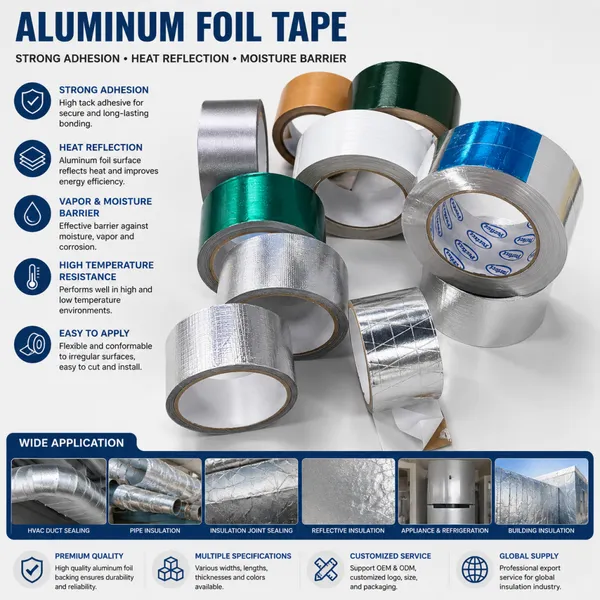
Reinforced Aluminium Foil Tape, Waterproof Anti-aging Tape, Widely Used in HVAC and Building Insulation ProjectsNegotiableMOQ: 500 Cartons
-
HVAC Aluminum Foil Sealing Tape, Strong Adhesion Heat Resistance for Pipe, Glass Wool and Rockwool InsulationNegotiableMOQ: 500 Cartons
-
Factory Supply Metalized PET MPET Laminate Foils, Aluminum Coated PET Film for Roof Wall InsulationNegotiableMOQ: 10000 Cubic Meters
-
Custom MPET Metalized PET Laminate Foils, VMPET Metallized Polyester Facing Film for Thermal InsulationNegotiableMOQ: 10000 Cubic Meters
-
Glass Wool Insulation Series, Glasswool With FSK/FWF/MSK/MWV/KSK Facing, Metalized PET Laminate Foils, Heat & Sound Insulation for Commercial BuildingNegotiableMOQ: 100 Rolls
-
Rockwool Blanket With Black Firber GlassNegotiableMOQ: 100 Rolls
-
Glasswool Insulation Blanket & Board, FSK FWF MSK MWV KSK Foil Laminate, MPET Metalized PET Faced Glass Wool for HVAC, Roof, Wall, Air DuctNegotiableMOQ: 100 Rolls
-
Rockwool Insulation Roll, FSK Foil Faced Mineral Wool for Building Thermal & Acoustic Insulation, Fire Resistant Roof Wall Insulation MaterialNegotiableMOQ: 100 Rolls
-
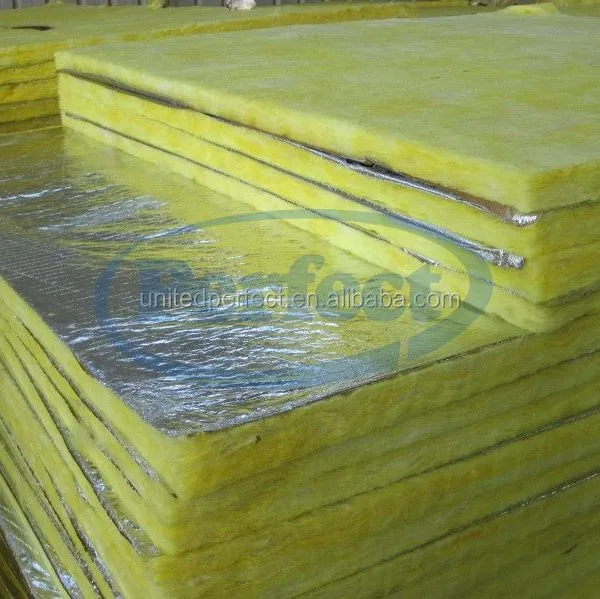
FWF MSK FSK Foil Laminated Rock Wool Glass Wool Blanket, Metalized PET Laminate Foils Faced Insulation for HVAC and ConstructionNegotiableMOQ: 100 Rolls
-
Rockwool Insulation Board, Mineral Wool Rock Wool Slab for Building Thermal & Fire Insulation, Soundproof Rockwool Panel for Roof, Wall, HVAC SystemNegotiableMOQ: 100 Rolls
-
Rockwool Pipe Section, Mineral Wool Rock Wool Tube Insulation, Fire & Heat Resistant Rockwool for Steam Pipes, Industrial Pipeline Insulation ProjectNegotiableMOQ: 100 Rolls
-
Rockwool Board With FSK FacingNegotiableMOQ: 100 Rolls
-
Rockwool Insulation Slab With FSK Facing, Fireproof Rock Wool Board, Thermal & Sound Insulation Rockwool for Roof, Wall and Ductwork ApplicationNegotiableMOQ: 100 Rolls
-
Fireproof Foil Laminated Glass Wool, Laminate Foils MPET Faced Glasswool Insulation Roll & Sheet for Roofing, Wall, Duct and Pipe InsulationNegotiableMOQ: 100 Rolls