
 Business License
Blog Categories

Breathable Membrane for Pitched Roofs in Northern European Climates
A roofer in Northern Europe once found ice on the underside of a roof deck in a house that had been built to a current specification. The roof had a breathable membrane, a ventilated loft and correct insulation. The membrane had been laid with the water-shedding surface facing downward.
Northern European climates test a roof in a particular way. Snow sits on the roof for weeks, freeze-thaw cycles run through the winter, and the indoor-outdoor temperature difference drives vapour upward for most of the year. A breathable membrane pitched roof assembly has to handle all three, and the details that matter are not the ones that matter in a mild climate. This article covers how a northern europe roof membrane should be specified and installed, and what a cold climate roof membrane needs to do that a general-purpose product may not.
1. What Northern European Roof Conditions Demand
A northern europe roof membrane faces conditions that a membrane in a mild climate may never see, and the combination is what makes the specification specific.
Snow load matters first. Snow sits on the roof for extended periods, and when it melts the membrane sees water for days at a time rather than for hours. A membrane at the eaves can be sitting in melt water while the ridge is still below freezing.
Freeze-thaw cycling is the second condition. Water that reaches the membrane at the eaves and refreezes expands, and repeated cycles work at laps and fixings. A lap that would hold in a mild climate can work open over a few winters.
| Condition | Demand on the Membrane |
|---|---|
| Extended snow cover | Sustained water resistance |
| Freeze-thaw cycling | Lap stability under movement |
| High indoor-outdoor difference | Low diffusion resistance |
| Low sun angle | UV tolerance during exposure |
| Cold loft space | Condensation control at the cold face |
The vapour drive is the third condition, and it is the one that most affects the material choice. In a cold climate the indoor air is warm and carries moisture, while the roof underside is cold for much of the year. Vapour pressure drives moisture upward through the ceiling and into the roof build-up, and the membrane has to let that moisture leave.
2. Why a Cold Climate Roof Membrane Must Diffuse
A cold climate roof membrane sits at the coldest point in the build-up for a large part of the year, and that position makes its diffusion behaviour the deciding property.
Where the membrane allows vapour to pass, moisture that reaches it can move through and condense on the colder underside of the tiles or the battens, where it can drain or dry at the eaves. Where the membrane blocks vapour, the moisture stops at the membrane and accumulates in the insulation or against the deck.
That is why a membrane with a good water resistance figure but a high diffusion resistance is the wrong product for a northern roof. It satisfies the rain requirement and fails the vapour requirement, and the failure appears as damp insulation rather than as a visible leak.
The correct combination is high water resistance with low diffusion resistance. Those two properties come from different parts of the membrane structure, so a well-made product can provide both, and the specification should state both.
3. Breathable Membrane Pitched Roof Installation Details
The details decide whether the assembly works, and in a northern climate they carry more weight than in a mild one.
The membrane is laid over the rafters, below the battens and the covering, usually with a slight sag between rafters so that water reaching the underside can drain rather than pool. The sag is deliberate, and a membrane pulled tight can trap water in the contact zone.
Laps run horizontally and are arranged so that water flows over the lap rather than into it. Vertical laps, where the membrane changes direction, follow the same principle. The lap widths come from the manufacturer and should not be reduced on site.
The eaves detail is the most important in a cold climate. Vapour that has passed through the membrane has to leave, and the eaves provide that path. Where an eaves vent is blocked by insulation installed too far into the roof space, the assembly loses its outlet and the membrane's diffusion performance becomes irrelevant.
4. Choosing a Northern Europe Roof Membrane by Grade
Roof membranes are graded by their resistance to water and by their mechanical robustness, and the grade has to match the exposure and the pitch.
| Roof Condition | Membrane Grade | Key Requirement |
|---|---|---|
| Pitched roof above insulated loft | Standard, low resistance | Diffusion and water resistance |
| Pitched roof, vaulted ceiling | Reinforced, low resistance | Diffusion, mechanical protection |
| Low pitch, snow retention | Reinforced, high water resistance | Extended water exposure |
| Exposed coastal or upland | Reinforced, high wind resistance | Uplift and water resistance |
| Roof used for storage or access | Reinforced, abrasion resistant | Handling and contact |
A vaulted ceiling changes the specification more than the table suggests. Where the insulation sits between and below the rafters, the membrane is closer to the indoor vapour source and the membrane becomes the single drying path. In that arrangement the diffusion figure matters more than in a roof with a ventilated loft.
A low-pitch roof with snow retention is the other difficult case. Water sits on the membrane for longer, and the grade has to reflect that rather than the pitch alone.
5. Ventilation and the Cold Climate Roof Membrane
A ventilated roof and a low-resistance membrane are two routes to the same result, and the stronger northern designs use both.
Where a roof has a ventilated void below the membrane, moisture has two paths out: through the membrane and through the vent. That redundancy makes the assembly forgiving, and it is the arrangement that tolerates less precise workmanship.
Where a roof relies on the membrane alone, the membrane carries the full moisture load. That arrangement is common in vaulted ceilings, where there is no void to ventilate, and it works where the membrane's diffusion figure is low and the joints are continuous.
The mistake is to assume that adding a membrane removes the need for ventilation without checking the membrane's rating. A high-resistance membrane in an unventilated roof traps moisture, and the resulting damage is often attributed to the insulation rather than to the membrane.
6. Case Notes on Breathable Membrane Pitched Roof Assemblies
A roofer in Northern Europe installed a breathable membrane with the water-shedding surface facing downward and laid a low-pitch section with the original membrane grade. Melt water from snow sat on the membrane at the eaves and worked into the laps over two winters, and the roof showed damp insulation in that section. The membrane was re-laid with the correct orientation and a higher-resistance grade at the low-pitch section, and the damp pattern did not return.
A second project in the same region used a membrane with a good water resistance figure and a high diffusion resistance in a vaulted ceiling with no void. Moisture from the living space could not leave through the membrane and accumulated against the deck, which showed as damp sheathing after two heating seasons. A low-resistance membrane of the same water resistance replaced it, and the assembly stayed dry over the following winters.
Both cases turned on the same property. The membrane had to let moisture out as well as keep water out, and one of the two requirements had been left out of the specification.
7. Specifying a Cold Climate Roof Membrane
State the diffusion resistance and the water resistance, each with a test method. In a cold climate these two figures carry more weight than any other property.
State the orientation requirement where the membrane has a defined shedding direction. Print marking on the sheet is the usual guide, and naming it in the specification removes the installation error that is most common in these roofs.
State the lap widths and the fixing method for the battens. A batten fixed through the membrane creates a penetration, and the detail for that penetration should be specified rather than left to the site.
State the eaves ventilation arrangement and confirm that the insulation will not block it. This is a coordination item rather than a material item, and it is the one most often missed when the roof and the insulation are supplied by different parties.
8. Breathable Membrane Pitched Roof Supplier Profile
United Perfect Building Materials, part of Jinan United Perfect Building Materials Corporation, produces breathable membranes for pitched roof and wall applications. The company supplies grades with different diffusion and water resistance figures, which allows a northern europe roof membrane specification to be matched to the pitch, the ceiling type and the exposure rather than to a single general product.
Jinan United Perfect Building Materials holds retained samples by production batch, so a delivered roll can be checked against the reference used at approval. Buyers specifying a cold climate roof membrane for a project with both a ventilated loft and a vaulted section can order two grades from one source and keep the jointing tapes and the installation guidance consistent. United Perfect can also confirm the diffusion figure in writing where a roof depends on the membrane as its sole drying path.
9. FAQ About Breathable Membrane Pitched Roof Specifications
9.1 Does a northern europe roof membrane need ventilation?
It depends on the membrane rating and on the roof type. A low-resistance membrane applied to a ventilated loft roof gives two drying paths, which is the more forgiving arrangement. A high-resistance membrane in an unventilated roof has no drying path and will trap moisture. Where a vaulted ceiling leaves no void to ventilate, the design depends on the membrane's diffusion figure and on continuous joints, and the specification should reflect that rather than assume ventilation is present.
9.2 What diffusion figure suits a cold climate roof membrane?
There is no single figure, because the requirement depends on the vapour load, the insulation level and the roof arrangement. What matters is that the figure is low enough to let the assembly dry in the conditions the roof will actually see, and that it is stated with a test method so it can be compared. Where a roof relies on the membrane as its lone drying path, a lower figure carries a larger margin. Where a ventilated void exists, a moderate figure is usually sufficient.
9.3 How should a breathable membrane pitched roof be laid?
Over the rafters with the water-shedding surface facing outward, with horizontal laps arranged so water flows over each lap. A slight sag between rafters gives water a drainage path rather than a pooling point, so a membrane pulled tight is not ideal. Laps should follow the manufacturer's widths without reduction on site. Where the membrane has a defined orientation, the print marking on the sheet is the guide, and getting it wrong is the most common installation error in northern roofs.
9.4 Can a breathable membrane be left exposed over winter?
Most products have an exposure period stated by the manufacturer, and exceeding it allows UV degradation and handling damage. In a northern climate the risk is higher, because low sun angles and long exposure combine with frost and snow that can damage a weathered sheet. Where a roof is to be covered in a later season, the membrane should be specified with that exposure in mind or protected for the interim. Exceeding the exposure limit is a common cause of premature failure.
9.5 What goes wrong most often on northern pitched roofs?
Four things appear repeatedly: installation with the wrong orientation, an eaves path blocked by insulation, a membrane grade chosen for the pitch rather than for the snow condition, and laps reduced on site. Each is an installation or specification issue rather than a material defect, and each is cheap to avoid and expensive to correct once the covering is on. A short inspection before the covering is laid, checking those four points against the drawing, catches nearly all of them, and it takes less time than a single repair visit afterwards.
Recently Posted
-
From Felt to Synthetic Underlayment in North American Roofing
November 3, 2026A roofing supplier in North America once kept both felt and synthetic underlayment on the same rack and watched the split shift wi Read More
-
QC Checklist for Synthetic Underlayment Before Shipment
November 3, 2026A buyer in North America once received a shipment in which the lengths on the packing list were correct and the rolls at the centr Read More
-
Synthetic Underlayment Slitting Winding and Roll Diameter Control
November 2, 2026A buyer in North America once rejected a container of synthetic underlayment because the rolls at one end had flattened into an ov Read More
-
Synthetic Underlayment for Tropical and Desert Roofing Projects
November 2, 2026Two projects in the same product family can fail for opposite reasons. A tropical roof underlayment in Southeast Asia can be ruine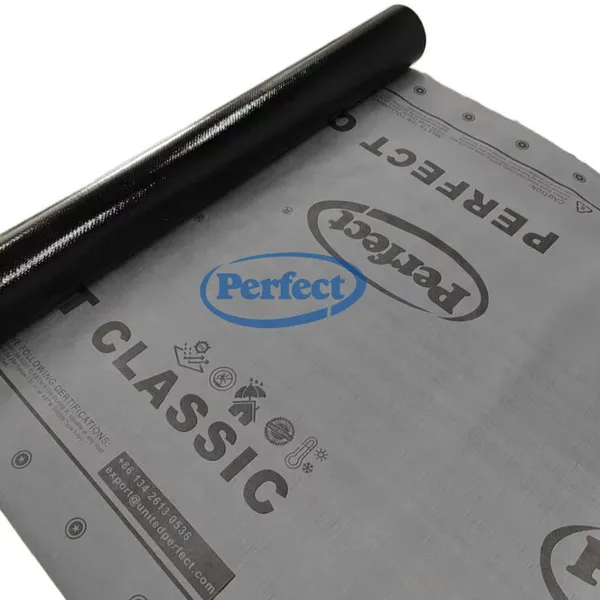 Read More

Contact Us
Recommended Products
-
 Glasswool Blanket With FSK FacingNegotiableMOQ: 100 Rolls
-
Rockwool Blanket With Wire MeshNegotiableMOQ: 100 Rolls
-
Rockwool Blanket With FSK FacingNegotiableMOQ: 100 Rolls
-
CE Certified Glass Wool Insulation, Glasswool Fiberglass, Low Thermal Conductivity, Noise Reduction for Wall, Roof and Industrial EquipmentNegotiableMOQ: 100 Rolls
-
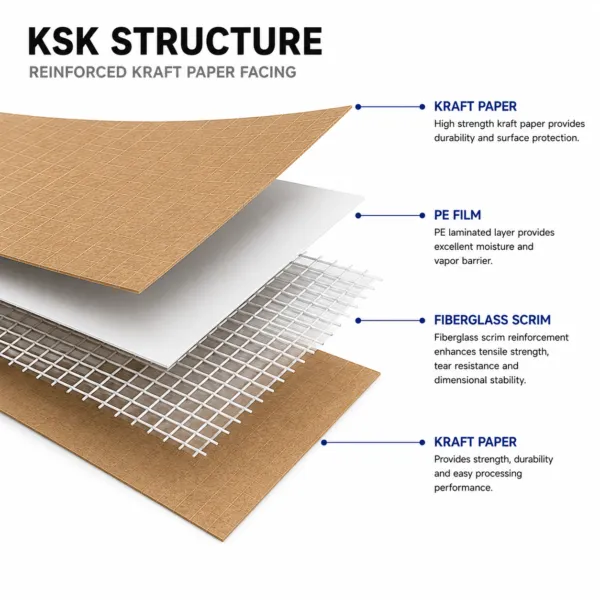
KSK Foil Facing Roll, Laminated Aluminum Foil + Scrim + Kraft Paper, Anti-Tear Thermal Barrier, Suitable for Commercial HVAC and Roof InsulationNegotiableMOQ: 500 Rolls

-
FSK Foil Scrim Kraft, FWF MSK MWV KSK Laminate Foils, Metalized PET MPET Vapor Barrier Facing for Insulation Glasswool RockwoolNegotiableMOQ: 100 Rolls
-
Reinforced Aluminium Foil Tape, Waterproof Anti-aging Tape, Widely Used in HVAC and Building Insulation ProjectsNegotiableMOQ: 500 Cartons
-
HVAC Aluminum Foil Sealing Tape, Strong Adhesion Heat Resistance for Pipe, Glass Wool and Rockwool InsulationNegotiableMOQ: 500 Cartons
-
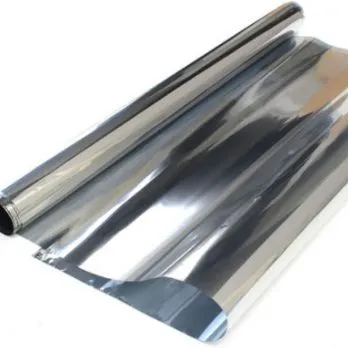
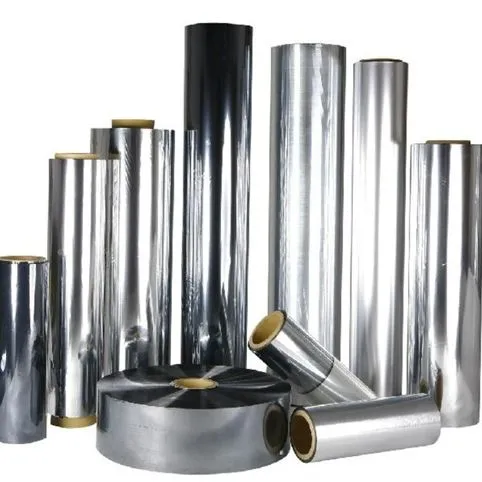
Factory Supply Metalized PET MPET Laminate Foils, Aluminum Coated PET Film for Roof Wall InsulationNegotiableMOQ: 10000 Cubic Meters
-
Custom MPET Metalized PET Laminate Foils, VMPET Metallized Polyester Facing Film for Thermal InsulationNegotiableMOQ: 10000 Cubic Meters
-
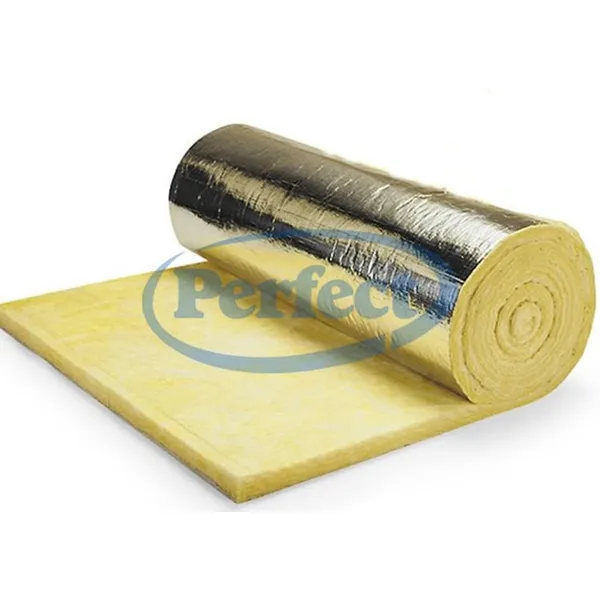
Glass Wool Insulation Series, Glasswool With FSK/FWF/MSK/MWV/KSK Facing, Metalized PET Laminate Foils, Heat & Sound Insulation for Commercial BuildingNegotiableMOQ: 100 Rolls
-
Rockwool Blanket With Black Firber GlassNegotiableMOQ: 100 Rolls
-
Glasswool Insulation Blanket & Board, FSK FWF MSK MWV KSK Foil Laminate, MPET Metalized PET Faced Glass Wool for HVAC, Roof, Wall, Air DuctNegotiableMOQ: 100 Rolls
-
Rockwool Insulation Roll, FSK Foil Faced Mineral Wool for Building Thermal & Acoustic Insulation, Fire Resistant Roof Wall Insulation MaterialNegotiableMOQ: 100 Rolls
-
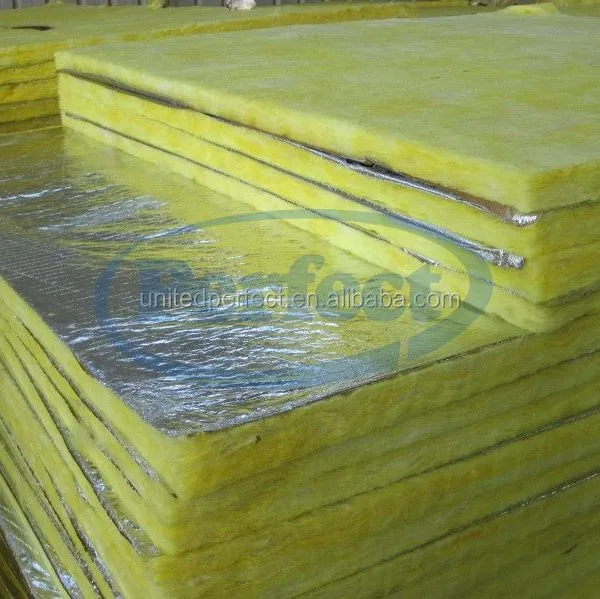
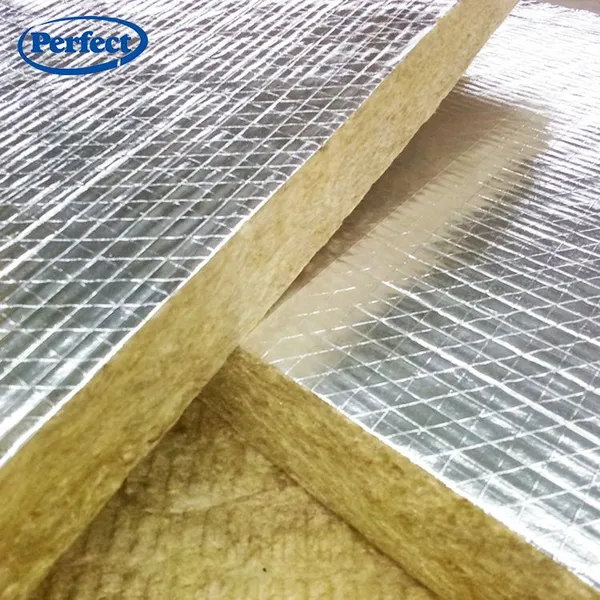
FWF MSK FSK Foil Laminated Rock Wool Glass Wool Blanket, Metalized PET Laminate Foils Faced Insulation for HVAC and ConstructionNegotiableMOQ: 100 Rolls
-
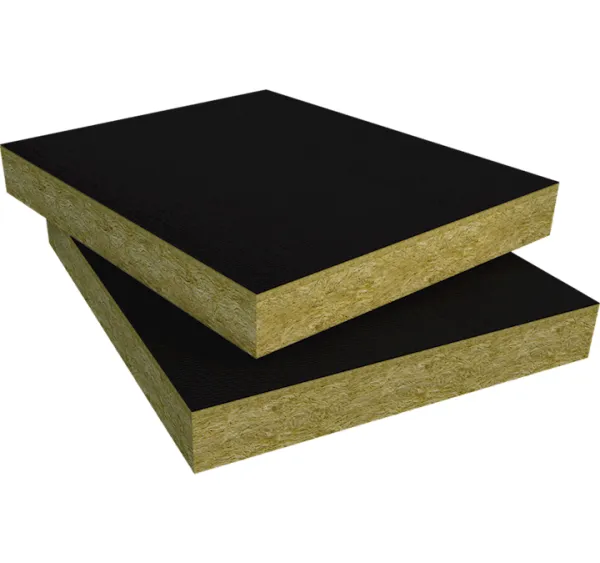
Rockwool Insulation Board, Mineral Wool Rock Wool Slab for Building Thermal & Fire Insulation, Soundproof Rockwool Panel for Roof, Wall, HVAC SystemNegotiableMOQ: 100 Rolls
-
Rockwool Pipe Section, Mineral Wool Rock Wool Tube Insulation, Fire & Heat Resistant Rockwool for Steam Pipes, Industrial Pipeline Insulation ProjectNegotiableMOQ: 100 Rolls
-
Rockwool Board With FSK FacingNegotiableMOQ: 100 Rolls
-
Rockwool Insulation Slab With FSK Facing, Fireproof Rock Wool Board, Thermal & Sound Insulation Rockwool for Roof, Wall and Ductwork ApplicationNegotiableMOQ: 100 Rolls
-
Fireproof Foil Laminated Glass Wool, Laminate Foils MPET Faced Glasswool Insulation Roll & Sheet for Roofing, Wall, Duct and Pipe InsulationNegotiableMOQ: 100 Rolls