
 Business License
Blog Categories

What Is Rockwool Insulation? Composition Forms and Core Properties
A contractor in Eastern Europe once replaced a damaged section of mineral wool in a plant room and used the product left on the site. The material looked identical to what had been installed. It had a different density, and it compressed under the pipe supports within a season.
Rockwool insulation material is supplied in a wide range of densities and forms, and the visible appearance changes far less than the performance. Density, fibre orientation and binder content determine how a board or a batt behaves, and those figures are not visible on the face of the product. This article covers what rockwool is made from, the forms it is supplied in, the properties that matter, and how to specify it so that a replacement matches what it replaces.
1. What Rockwool Insulation Material Is Made From
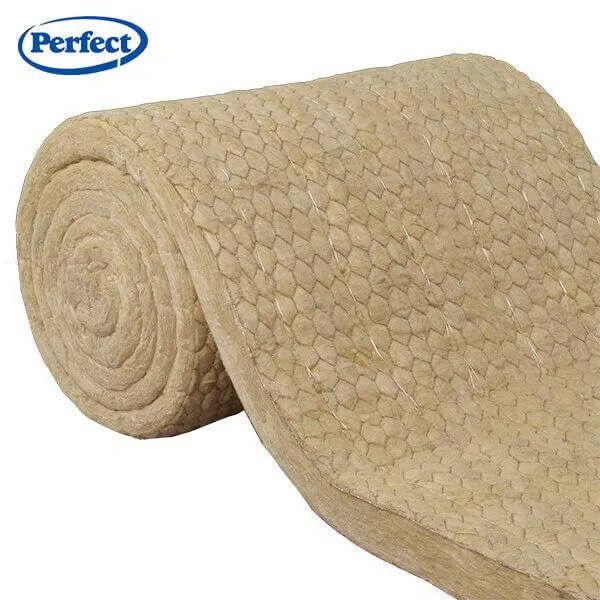
Rockwool is a mineral wool produced by melting volcanic rock, usually basalt, and spinning the melt into fibres. A binder is added and the fibres are formed into a mat or a board and cured. The resulting rockwool insulation material is a fibrous, porous solid with an open structure rather than a closed cell one.
The raw material is the reason the product behaves differently from glass wool, which is made from sand and recycled glass. Basalt melts at a higher temperature and produces a denser, more heat-resistant fibre, and rockwool therefore holds its structure at higher service temperatures.
| Component | Function | Typical Share |
|---|---|---|
| Basalt and diabase | Fibre formation | Majority of the solid |
| Binder resin | Holds fibres together | A few percent |
| Mineral oil | Dust suppression | Small fraction |
| Water repellent | Moisture resistance | Small fraction |
The composition also gives rockwool its natural fire behaviour. The fibres do not burn, and the product is used where a non-combustible insulation is required rather than where a low-flammability one will do. Rockwool insulation material also retains its structure through a fire rather than melting away and leaving a void, which is why it is common in fire-rated details.
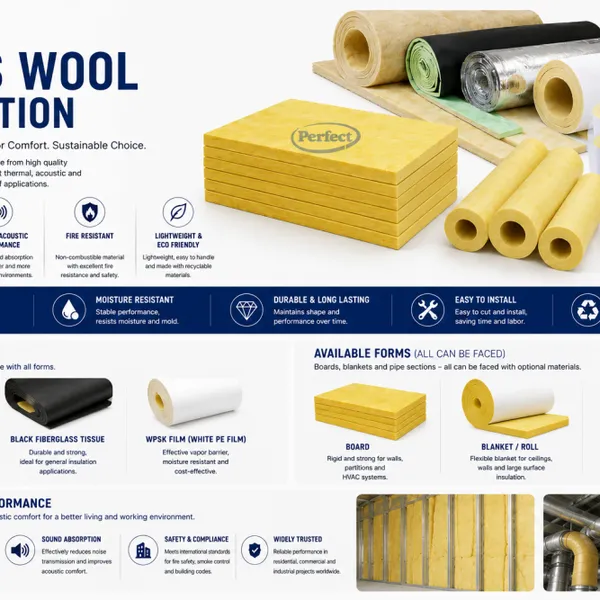
2. Forms of Mineral Wool Rockwool Board and Batt
Mineral wool rockwool board and the softer batt form are the two main product shapes, and each suits a different installation method.
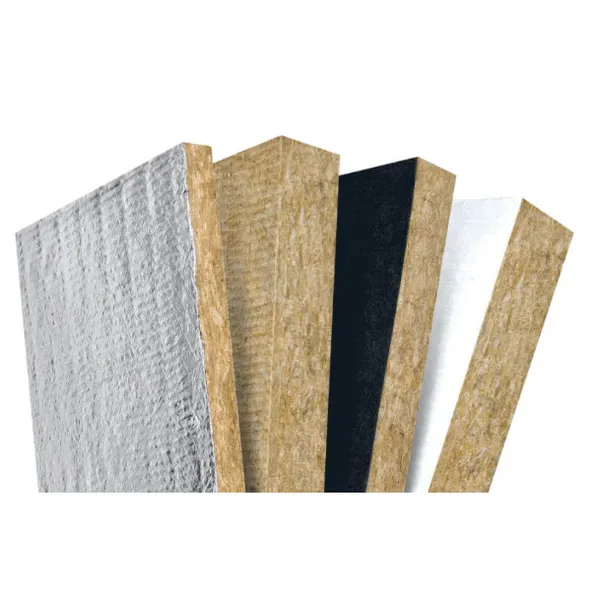
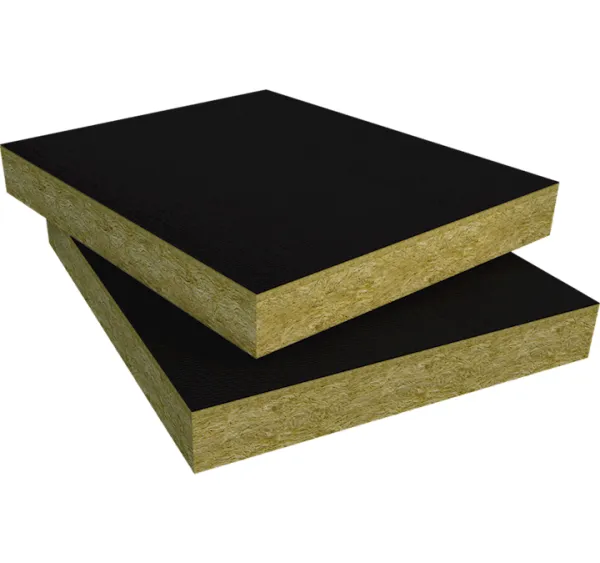
A board is rigid and holds its shape. It is used where the insulation has to span a gap, support a load or hold a surface flat, which includes flat roofs, external walls and industrial applications.
A batt is softer and designed to fit between framing. It is compressed slightly during installation so that it fills the cavity without leaving gaps at the edges, and it relies on the framing rather than on its own rigidity to stay in place.
| Form | Density Range | Typical Application |
|---|---|---|
| Loose wool | Low, blown | Cavity fill, hard-to-reach spaces |
| Batt | Low to medium | Framed walls, ceilings, roofs |
| Semi-rigid board | Medium | Walls, floors, acoustic panels |
| Rigid board | High | Flat roofs, external walls, industrial |
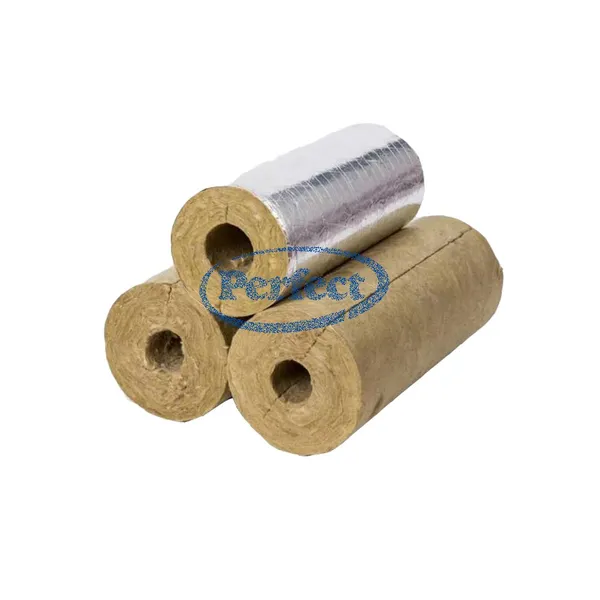
| Pipe section | High, moulded | Pipes, ducts, vessels |
The density range across these forms is wide, and it is the figure that most affects how the product performs. Two boards of the same thickness and different densities can differ substantially in compressive strength, in acoustic performance and in cost. A supplier that quotes thickness and thermal conductivity without a density has described the appearance of the product rather than its behaviour under load.
3. Core Properties of Rockwool Thermal Insulation
The properties that matter in service are thermal conductivity, density, compressive strength, fire behaviour and acoustic performance, and they are interdependent.
Rockwool thermal insulation has a thermal conductivity that varies with density and temperature. Within a normal density range the conductivity is broadly similar, and beyond that range increasing density raises conductivity while also raising compressive strength. The choice is therefore a balance rather than a simple preference for a higher figure.
Compressive strength matters where the insulation supports a load, which includes flat roofs, floors and pipe supports. A board that is too compressible settles under the load and creates a thermal bridge where the load path passes through it.
Acoustic performance improves with density and with the presence of a resilient structure, which is one reason rockwool is used in partition walls and in acoustic applications where thermal insulation alone would not justify the material. In a partition, the rockwool thermal insulation also reduces the cavity resonance between the two faces, which is often the larger part of the acoustic gain.
4. Density and Mineral Wool Rockwool Board Performance
Density is the single variable that most buyers under-specify, and it is the one that most often explains a performance difference between two visually similar products.
| Density | Compressive Behaviour | Typical Use |
|---|---|---|
| Low | Soft, settles under load | Cavity fill, lofts |
| Medium | Moderate, holds shape | Framed walls, acoustic panels |
| High | Firm, carries load | Flat roofs, industrial |
| Very high | Rigid, structural contribution | Heavy-duty industrial |
A higher density raises weight, raiser cost and raises compressive strength, and it lowers thermal performance slightly at the same thickness. That combination is why a specification that names thickness and thermal conductivity alone leaves the most important variable open.
Where the insulation carries any load, the density should be stated. Where it is fully supported and protected, a lower density is usually adequate and cheaper. Getting that distinction right is the difference between paying for performance that is needed and paying for performance that is not.
5. Fire and Moisture Behaviour of Rockwool Thermal Insulation
Rockwool is non-combustible, and it maintains its structure at temperatures well above the point at which foam insulations deform.
That behaviour makes it the default choice in applications where a fire-rated assembly is required, including compartment walls, service shafts and industrial plant. The product does not contribute fuel to a fire and it does not produce the smoke that organic insulations produce when heated.
Moisture behaviour is the other practical property. Rockwool is water-repellent rather than waterproof, and it resists the uptake of liquid water while still allowing vapour movement. Where a board gets wet during construction it can dry out without losing its shape, which is a practical advantage on a site where insulation is exposed before the covering is complete.
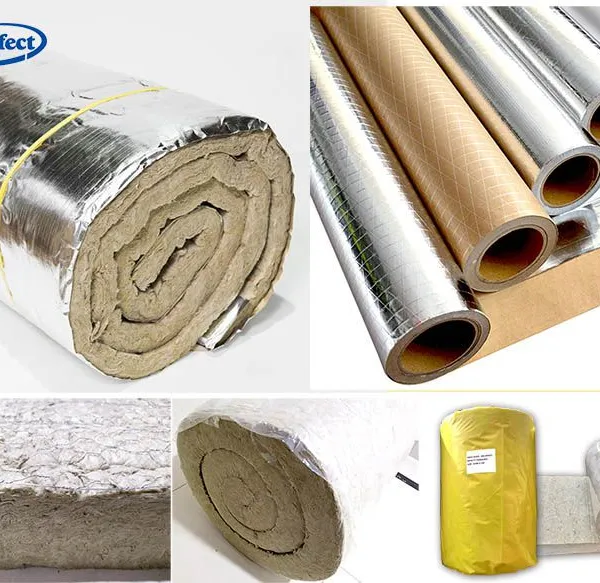
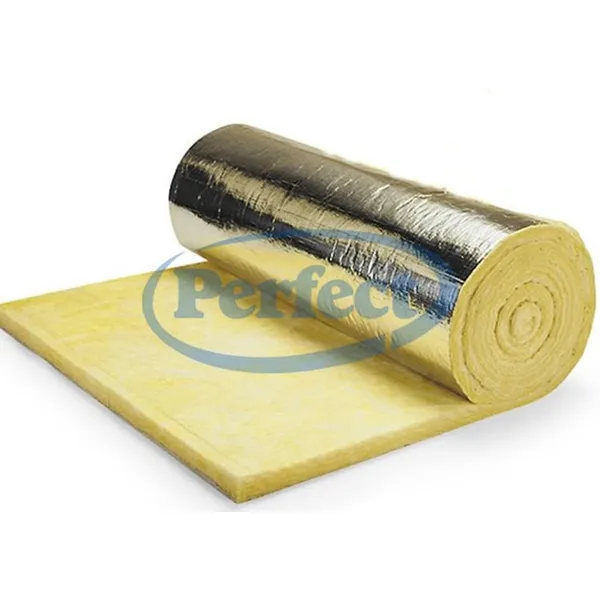
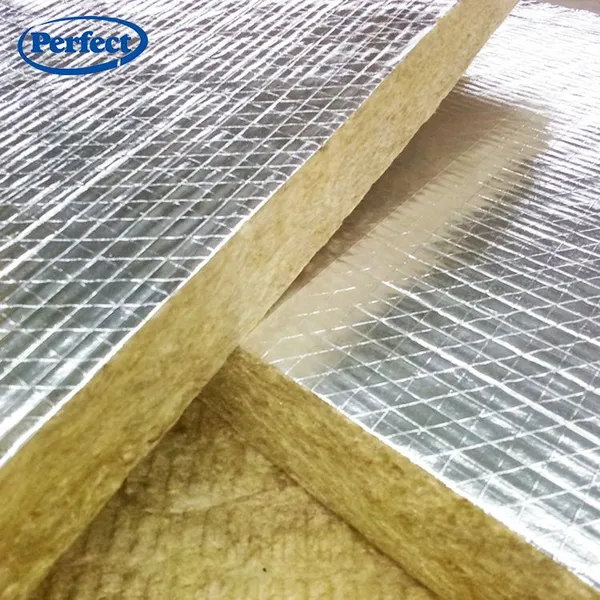
The moisture behaviour is also why rockwool is often paired with a foil facing. The facing provides the vapour control and the surface, and the mineral wool provides the thermal and fire performance, and the two together serve applications that neither would serve alone.
6. Case Notes on Mineral Wool Rockwool Board Selection
A plant operator in Eastern Europe replaced a section of pipe insulation with material of a lower density than the original. The board compressed at the pipe supports within a season and the thermal performance in that section fell. A replacement at the original density restored the performance, and the operator subsequently recorded density as a mandatory line on its purchase specification.
A second project in Western Europe used a rigid mineral wool board on a flat roof and a softer batt in the same wall assembly. Both performed as intended, because the rigid board carried the roof load and the batt was fully supported in the frame. Using the batt on the roof, or the board in the frame, would have cost more in one case and under-performed in the other.
The two cases show the same principle. The form and the density follow from whether the insulation carries a load, and that question comes before the choice of product.
7. Specifying Rockwool Thermal Insulation
State the form, the density and the thickness together. Any two of those three figures without the third leaves the product undefined.
State the compressive strength where the insulation carries a load, and state it at the deformation level the application requires. Compressive strength quoted without a deformation figure cannot be compared.
State the fire requirement against the assembly rather than against the product. A non-combustible insulation in a non-rated assembly does not produce a rated assembly, and the fire performance depends on the whole build-up.
State the facing where one is required. Where the insulation is faced with foil, the facing carries the vapour and surface duties and should be specified to the same standard as the insulation itself.
8. Rockwool Insulation Material Supplier Profile
United Perfect Building Materials, part of Jinan United Perfect Building Materials Corporation, supplies mineral wool insulation and the foil facings used with it. The company quotes the form, density and thickness of each grade, which allows a mineral wool rockwool board or batt to be specified against the same figures as any other supplier's product.
Jinan United Perfect Building Materials holds retained samples by production batch, so a delivered pack can be checked against the reference used at approval. Buyers specifying rockwool thermal insulation alongside a foil facing can order both from one source, which keeps the facing specification and the insulation specification aligned. United Perfect can also confirm the density and compressive strength in writing where the insulation will carry a load.
9. FAQ About Rockwool Insulation Material
9.1 Is rockwool the same as glass wool?
No, although both are mineral wools and both are used for thermal and acoustic insulation. Rockwool is made from melted basalt, while glass wool is made from sand and recycled glass. The basalt fibre is denser and holds its structure at higher temperatures, which is why rockwool is often specified where fire performance and high service temperature matter. Glass wool is generally lighter and less expensive, and it performs well in fully supported cavity applications where neither heat resistance nor load carrying is required.
9.2 What density do I need for a mineral wool rockwool board?
It depends on whether the board carries a load and on the application. A fully supported board in a protected position can use a lower density, while a flat roof board or a board under pipe supports needs a higher density to resist compression. The density should be stated in the specification alongside the thickness, because two boards of the same thickness and different densities behave differently under load. Where the requirement is unclear, the supplier can usually recommend a grade from the load and the support condition.
9.3 Does rockwool absorb water?
It resists liquid water uptake rather than being waterproof. The fibres are treated with a water repellent, so a board sheds water rather than soaking it up, and a board that gets wet during construction can dry out without losing its shape. Vapour can still move through the material, which is why rockwool is often paired with a foil or membrane facing where vapour control is needed. A board that stays wet for a long period will lose thermal performance until it dries.
9.4 Is rockwool suitable for flat roofs?
Yes, in the rigid board form. A flat roof board has to carry the load of the covering and any traffic, so it needs a higher density and a higher compressive strength than a wall batt. A softer product used on a flat roof compresses under load and creates a thermal bridge along the load path. Where a flat roof is specified with a rigid mineral wool board, the compressive strength at the relevant deformation level should be stated rather than assumed from the density alone.
9.5 How does rockwool perform acoustically?
Well, and its acoustic performance improves with density and with a resilient structure. The open fibre network absorbs sound energy rather than transmitting it, which is why mineral wool is used in partition walls, in acoustic panels and in applications where sound reduction is a design requirement. Where acoustic performance matters, the density and the installation method both affect the result, and the insulation should be specified as part of the assembly rather than on its own. A loosely fitted batt performs differently from a tightly fitted one.
Recently Posted
-
From Felt to Synthetic Underlayment in North American Roofing
November 3, 2026A roofing supplier in North America once kept both felt and synthetic underlayment on the same rack and watched the split shift wi Read More
-
QC Checklist for Synthetic Underlayment Before Shipment
November 3, 2026A buyer in North America once received a shipment in which the lengths on the packing list were correct and the rolls at the centr Read More
-
Synthetic Underlayment Slitting Winding and Roll Diameter Control
November 2, 2026A buyer in North America once rejected a container of synthetic underlayment because the rolls at one end had flattened into an ov Read More
-
Synthetic Underlayment for Tropical and Desert Roofing Projects
November 2, 2026Two projects in the same product family can fail for opposite reasons. A tropical roof underlayment in Southeast Asia can be ruine Read More

Contact Us
Recommended Products
-
 Glasswool Blanket With FSK FacingNegotiableMOQ: 100 Rolls
-
Rockwool Blanket With Wire MeshNegotiableMOQ: 100 Rolls
-
Rockwool Blanket With FSK FacingNegotiableMOQ: 100 Rolls
-
CE Certified Glass Wool Insulation, Glasswool Fiberglass, Low Thermal Conductivity, Noise Reduction for Wall, Roof and Industrial EquipmentNegotiableMOQ: 100 Rolls
-
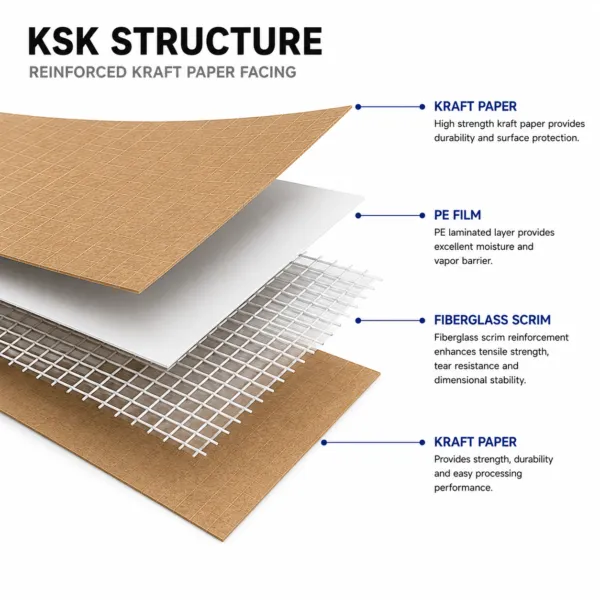
KSK Foil Facing Roll, Laminated Aluminum Foil + Scrim + Kraft Paper, Anti-Tear Thermal Barrier, Suitable for Commercial HVAC and Roof InsulationNegotiableMOQ: 500 Rolls
-
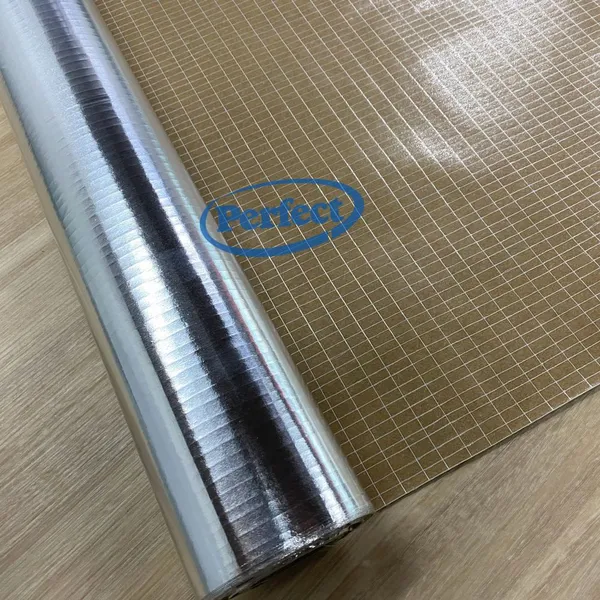
FSK Foil Scrim Kraft, FWF MSK MWV KSK Laminate Foils, Metalized PET MPET Vapor Barrier Facing for Insulation Glasswool RockwoolNegotiableMOQ: 100 Rolls
-
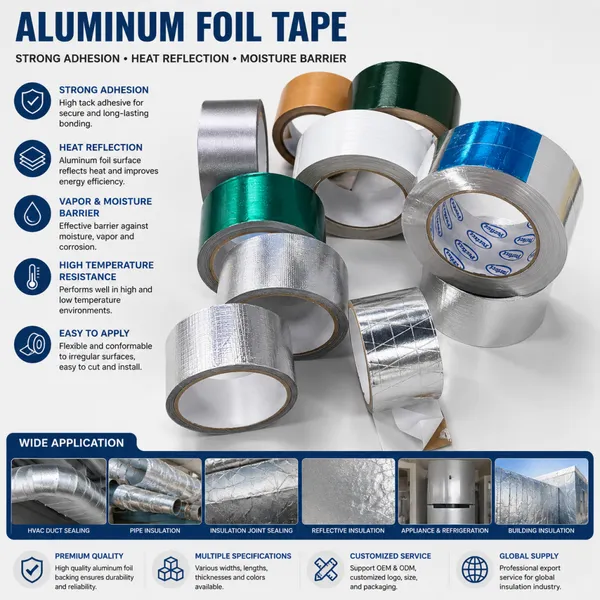
Reinforced Aluminium Foil Tape, Waterproof Anti-aging Tape, Widely Used in HVAC and Building Insulation ProjectsNegotiableMOQ: 500 Cartons
-
HVAC Aluminum Foil Sealing Tape, Strong Adhesion Heat Resistance for Pipe, Glass Wool and Rockwool InsulationNegotiableMOQ: 500 Cartons
-
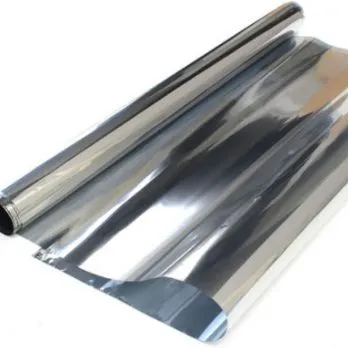
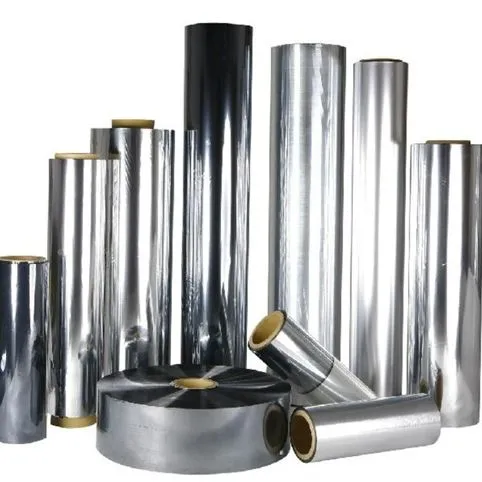
Factory Supply Metalized PET MPET Laminate Foils, Aluminum Coated PET Film for Roof Wall InsulationNegotiableMOQ: 10000 Cubic Meters
-
Custom MPET Metalized PET Laminate Foils, VMPET Metallized Polyester Facing Film for Thermal InsulationNegotiableMOQ: 10000 Cubic Meters
-
Glass Wool Insulation Series, Glasswool With FSK/FWF/MSK/MWV/KSK Facing, Metalized PET Laminate Foils, Heat & Sound Insulation for Commercial BuildingNegotiableMOQ: 100 Rolls
-
Rockwool Blanket With Black Firber GlassNegotiableMOQ: 100 Rolls
-
Glasswool Insulation Blanket & Board, FSK FWF MSK MWV KSK Foil Laminate, MPET Metalized PET Faced Glass Wool for HVAC, Roof, Wall, Air DuctNegotiableMOQ: 100 Rolls
-
Rockwool Insulation Roll, FSK Foil Faced Mineral Wool for Building Thermal & Acoustic Insulation, Fire Resistant Roof Wall Insulation MaterialNegotiableMOQ: 100 Rolls
-
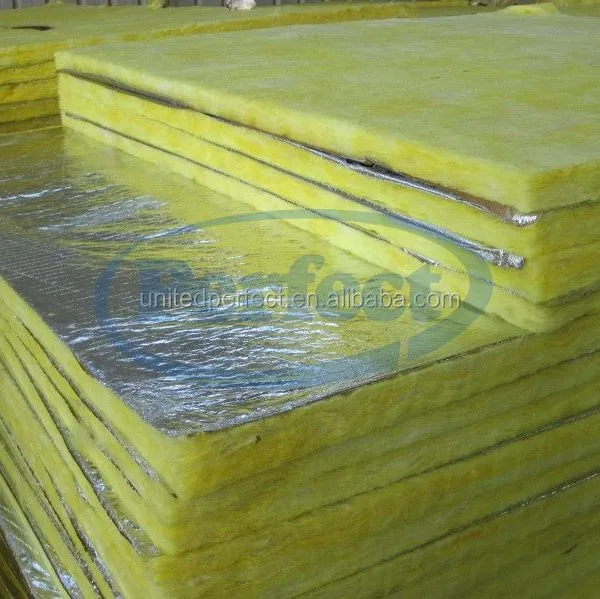
FWF MSK FSK Foil Laminated Rock Wool Glass Wool Blanket, Metalized PET Laminate Foils Faced Insulation for HVAC and ConstructionNegotiableMOQ: 100 Rolls
-
Rockwool Insulation Board, Mineral Wool Rock Wool Slab for Building Thermal & Fire Insulation, Soundproof Rockwool Panel for Roof, Wall, HVAC SystemNegotiableMOQ: 100 Rolls
-
Rockwool Pipe Section, Mineral Wool Rock Wool Tube Insulation, Fire & Heat Resistant Rockwool for Steam Pipes, Industrial Pipeline Insulation ProjectNegotiableMOQ: 100 Rolls
-
Rockwool Board With FSK FacingNegotiableMOQ: 100 Rolls
-
Rockwool Insulation Slab With FSK Facing, Fireproof Rock Wool Board, Thermal & Sound Insulation Rockwool for Roof, Wall and Ductwork ApplicationNegotiableMOQ: 100 Rolls
-
Fireproof Foil Laminated Glass Wool, Laminate Foils MPET Faced Glasswool Insulation Roll & Sheet for Roofing, Wall, Duct and Pipe InsulationNegotiableMOQ: 100 Rolls