
 Business License
Blog Categories

Rockwool Insulation Buying Guide: Specs MOQ and Samples
A procurement officer in South America sent a rockwool enquiry with a single line: one container, lowest price. Three suppliers quoted numbers that differed by a factor of two, and none of the quotes described the same product, because none of the three knew the density or the thickness that the job needed.
This rockwool specification guide is written for buyers who want to avoid that outcome. It covers the rockwool insulation MOQ that suppliers actually work to, the parameters that have to appear in a specification before a quote means anything, and the way to run a rockwool sample request so the material is tested before a container is booked. The early sections set out the parameters, and the later ones cover ordering mechanics.
1. Rockwool Insulation MOQ and How It Is Set
Rockwool insulation MOQ is normally expressed in one of three ways: a number of containers, a number of pallets, or a cubic metre volume. The form matters, because a supplier quoting a pallet minimum and a supplier quoting a container minimum cannot be compared directly. Buyers should ask for the minimum in cubic metres as well as in pallets before comparing quotes.
Most factory-direct suppliers in China work to a one container minimum for a standard product in a standard density and thickness. That minimum is set by loading economics rather than by production, because a 40-foot high cube takes a fixed number of pallets and a part load costs nearly as much to ship as a full one.
The minimum moves down when the buyer accepts a stock item and up when the buyer specifies a custom density, a non-standard width or a special facing. A buyer who needs a small trial quantity should ask for a mixed pallet rather than a reduced container, because mixed pallets are often available from stock while part containers are not.
| Order type | Typical minimum | Notes |
|---|---|---|
| Stock board, standard density | 1 x 40HC | Shortest lead time, fixed loading |
| Mixed pallet trial | A few pallets | From stock, subject to availability |
| Custom density or width | Larger, set at quotation | Production run length governs |
| Faced product | 1 container and up | Facing adds a lamination step |
2. Rockwool Specification Guide: The Core Parameters
A rockwool specification guide should start with density, because density drives thermal performance, compressive strength and price at the same time. Density is stated in kilograms per cubic metre, and the common bands are 40, 50, 60, 80, 100 and 120 for boards and higher for certain industrial products.
Thickness comes next and is quoted in millimetres. Thermal resistance is proportional to thickness for a given density, so a buyer who needs a target R value should state the R value and let the supplier propose the density and thickness pair that reaches it. Stating thickness alone leaves the supplier free to trade density against it.
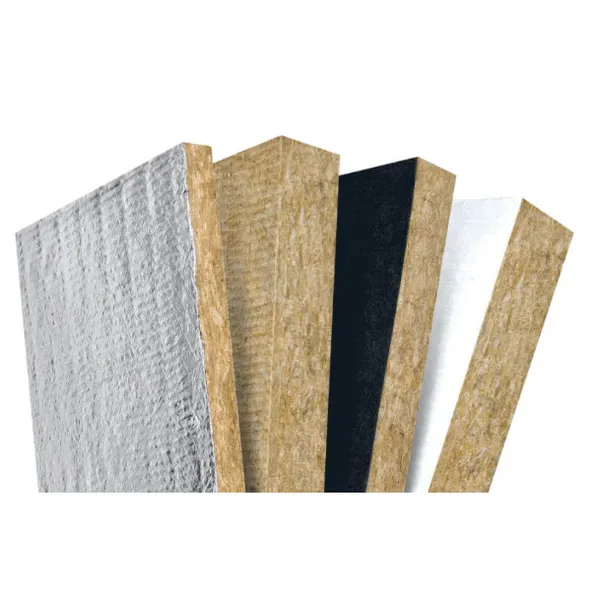
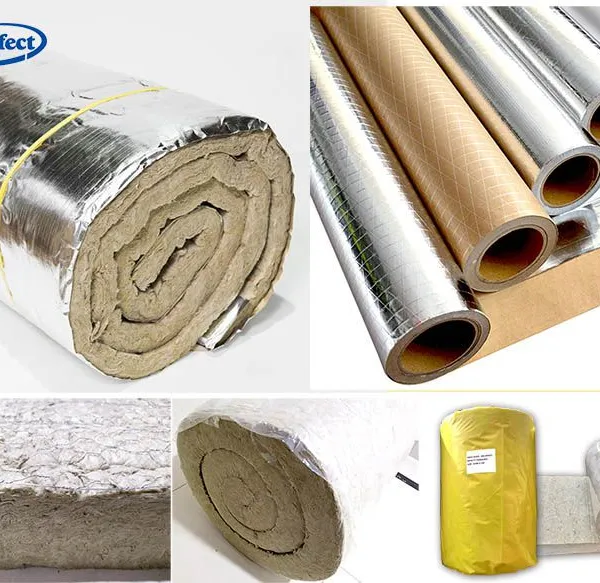
The remaining parameters are less glamorous but decide whether the order ships cleanly. Buyers should state the board dimensions, the edge profile, whether a facing is required and what type, the maximum service temperature, and the fire classification the local code demands. A specification missing any of these will produce quotes that cannot be compared.
3. Density Grade Selection in a Rockwool Specification Guide
Density follows from the load the insulation will carry. A wall cavity or a roof space under a blanket carries no load, so a lower density grade is adequate and the cost per square metre falls. A floor slab, a roof deck or a render-carrier panel carries load, so a higher density grade is required or the board will compress.
Acoustic work adds a second consideration. A rockwool density grade chosen for sound absorption is often higher than the grade chosen for thermal performance alone, because sound absorption improves with density up to a point. Buyers specifying for both thermal and acoustic performance should state both targets rather than assuming the thermal grade will serve.
The cost of over-specifying is real. Moving from a 60 to a 100 kilogram board increases both the material cost and the freight cost per square metre, and freight is charged on volume in insulated container loads. Buyers who specify the highest available grade by default pay for performance the assembly will not use.
4. Thickness and Thermal Conductivity in a Rockwool Specification Guide
Thermal conductivity is stated as a lambda value in watts per metre kelvin, and it rises with temperature. A supplier quoting a single lambda figure is usually quoting the value at a reference mean temperature, so a buyer specifying a hot application should ask for the value at the service temperature as well.
Once density and lambda are known, thickness follows from the target R value. R equals thickness divided by lambda, and the arithmetic is simple enough that a buyer can check a quotation in a minute. A quotation whose stated R value does not follow from its stated density, lambda and thickness has an error in it somewhere.
Tolerances are the last item to pin down. Boards are produced to a thickness tolerance, and a buyer who needs a tight dimension for a prefabricated panel should ask for the tolerance in writing. Dimensional tolerance on length and width matters less for site cutting and more for factory assembly, so the requirement follows the use.
5. Rockwool Sample Request: How to Run One
A rockwool sample request should ask for a piece large enough to test, not a swatch. A 300 by 300 millimetre piece is enough for a density feel and a thickness check but not for a fire test or an installation trial. Buyers planning a formal evaluation should ask for a full board, which is usually supplied free or at a nominal charge with freight paid by the buyer.
The sample should be tested against the actual specification. Check the density by weighing and measuring the piece, verify the thickness with callipers at several points, and confirm that the facing is bonded without bubbles. If the product will be cut on site, cut the sample the way the crew will cut it and see whether the board crumbles or holds an edge.
Samples should be requested from more than one supplier on the same day so the material can be compared under the same conditions. Humidity changes the handling feel of mineral wool, and samples opened weeks apart in different warehouses are not strictly comparable.
6. Comparing Rockwool Insulation MOQ Across Suppliers
When several suppliers quote the same product, the numbers to convert to a common basis are the minimum quantity, the unit price, the packing density and the loading quantity. Loading quantity matters because a supplier whose pallets load more efficiently delivers more material per container at the same unit price.
A worked comparison makes the point. Supplier A quotes a lower unit price but loads 18 pallets per container, while Supplier B quotes five per cent more and loads 21. The delivered cost per square metre can favour Supplier B despite the higher unit price, and this is invisible unless the buyer asks for the loading quantity explicitly.
The rockwool insulation MOQ also interacts with the delivery schedule. A buyer who accepts a full container minimum usually gains a shorter lead time, while a buyer who insists on a part load may wait for a consolidated shipment. Buyers working to a construction programme should weigh the lead time against the quantity they can actually store.
7. Documentation and Inspection in a Rockwool Specification Guide
Documentation is the part of the order that buyers underweight until a customs problem appears. A standard shipment needs the commercial invoice, the packing list, the bill of lading and the certificate of origin, and some markets require additional declarations for mineral wool products. Buyers should confirm the document set for their own market before the order is placed.
Pre-shipment inspection is worth arranging on a first order and is often skipped afterwards. The inspection confirms the density, the thickness, the packing and the pallet count against the order, and a third-party report is useful evidence if a discrepancy appears at destination. Buyers placing repeat orders can reduce the inspection frequency once a supplier has a record.
Packing details matter more for mineral wool than for many products, because the material compresses and a loose pallet arrives deformed at the edges. Buyers should specify shrink wrapping, edge protection and a pallet count per container in the purchase order rather than leaving it to the supplier's default.
8. Rockwool Specification Guide Supplier Profile
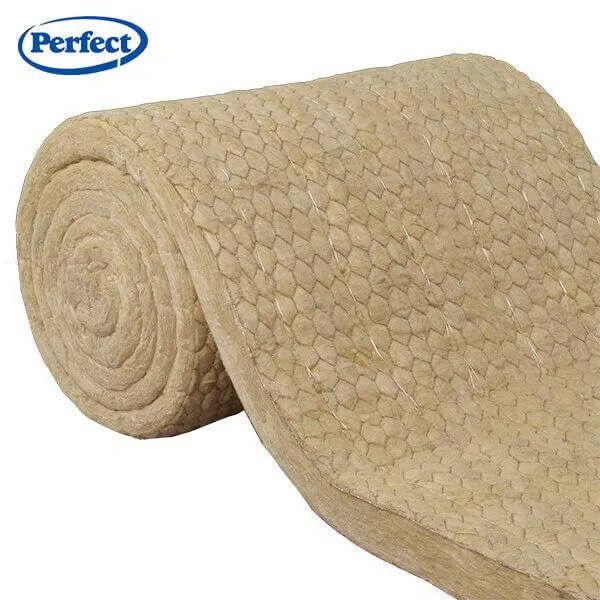
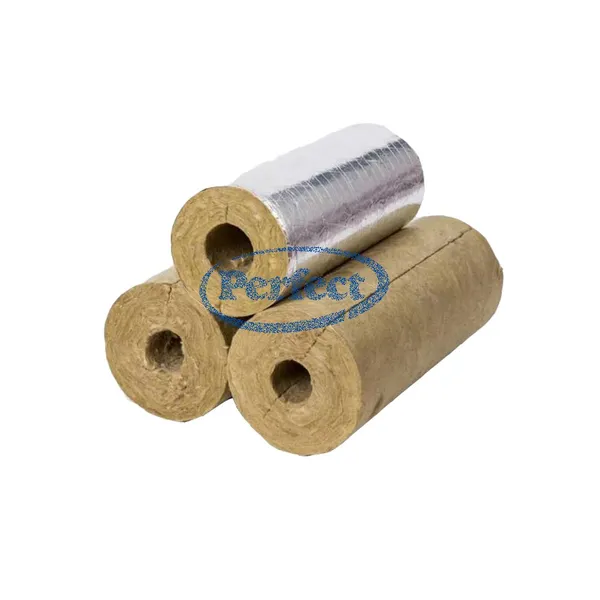
Jinan United Perfect Building Materials Corporation supplies rockwool boards, rockwool blankets and faced insulation products from Shandong, China. The company was established in 2017 and serves buyers in North America, South America, Eastern Europe, Southeast Asia, Africa, Oceania, the Mid East, Eastern Asia, Western Europe, Central America, Northern Europe and Southern Europe.
Jinan United Perfect Building Materials handles rockwool insulation MOQ discussions at quotation stage and will confirm the minimum in cubic metres, pallets and containers so the buyer can compare against other offers. The company also accepts rockwool sample requests for buyers who want to test the material before ordering.
Buyers sending a rockwool specification guide enquiry to United Perfect should include the application, the target R value or lambda, the density preference, the thickness, the board size and the destination port. United Perfect replies with a matched product proposal and the loading plan for the container.
9. FAQ About Buying Rockwool Insulation
9.1 What is the rockwool insulation MOQ for a first order?
A first order for a standard board in a standard density is normally one 40-foot high cube container, which is the minimum that loads economically for most factory-direct suppliers in China. That minimum applies to stock items in common densities and thicknesses. A buyer who needs less should ask for a mixed pallet from stock, which some suppliers offer for trial quantities at a higher unit cost. A custom density, a special width or a faced product usually carries a higher minimum because the lamination or forming step is set up for a production run, and buyers should ask for the minimum in cubic metres as well as containers, because that is the figure that stays comparable across suppliers and a clear enquiry with the application stated returns a firm minimum in one reply.
9.2 How large should a rockwool sample request be?
A sample large enough to weigh, measure and cut is more useful than a small swatch, so a full board is the better request when a formal evaluation is planned. A 300 by 300 millimetre piece allows a density check and a thickness check but not an installation trial. Buyers comparing suppliers should ask for the same board size from each one so the samples can be assessed on equal terms. Most suppliers send samples free of charge with the buyer paying the courier and a nominal product charge applying for larger pieces, so the sample should be tested against the written specification rather than by feel alone, and recording the weight and the measured thickness of each sample keeps the comparison objective.
9.3 Which density grade should a buyer specify?
The density grade should follow the load the insulation will carry, so a wall cavity or an overhead blanket application can use a lower grade while a floor slab or a render carrier needs a higher one. Acoustic performance may push the grade higher than thermal performance alone would require, because sound absorption improves with density up to a practical limit. Buyers specifying for both should state both targets instead of assuming the thermal figure covers the acoustic case, since over-specifying raises material cost and freight cost at once on loads charged by volume. A supplier can propose a grade from the application description if the buyer prefers not to fix the number, and the lowest grade that meets every stated requirement is usually the correct specification.
9.4 How should a buyer compare rockwool quotations?
Quotations should be converted to a common basis before they are compared, using the unit price, the packing density and the loading quantity per container. A supplier with a lower unit price but a less efficient pallet layout can be more expensive per square metre delivered than one quoting slightly higher. Buyers should also confirm whether the quoted minimum is per container, per pallet or per cubic metre, since the three are not interchangeable, and asking for the loading quantity in pallets and the pallet dimensions removes most of the ambiguity. A buyer who requests all of this in the enquiry receives comparable quotes the first time, and comparing on unit price alone is the most common cause of a disappointing order.
9.5 What documents should accompany a rockwool shipment?
A standard shipment needs the commercial invoice, the packing list, the bill of lading and the certificate of origin, with additional declarations required by some destination markets. Buyers should confirm the exact document set for their own market with a customs broker before the order is placed, because a missing certificate can hold a container at the port. The purchase order should also state the packing requirement, including shrink wrapping and edge protection, since mineral wool pallets deform if they are wrapped loosely, and a pre-shipment inspection on the first order confirms the density, thickness and pallet count against the order. Repeat orders can reduce the inspection frequency once the supplier has an established record, and Jinan United Perfect Building Materials confirms the document set with each buyer.
Recently Posted
-
From Felt to Synthetic Underlayment in North American Roofing
November 3, 2026A roofing supplier in North America once kept both felt and synthetic underlayment on the same rack and watched the split shift wi Read More
-
QC Checklist for Synthetic Underlayment Before Shipment
November 3, 2026A buyer in North America once received a shipment in which the lengths on the packing list were correct and the rolls at the centr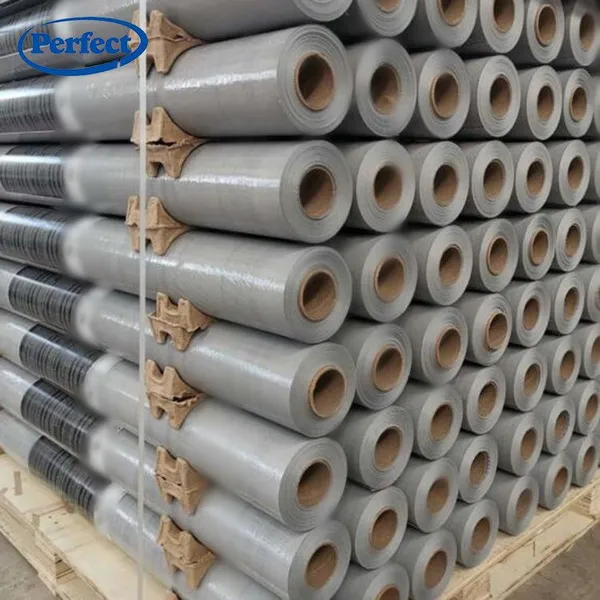 Read More
-
Synthetic Underlayment Slitting Winding and Roll Diameter Control
November 2, 2026A buyer in North America once rejected a container of synthetic underlayment because the rolls at one end had flattened into an ov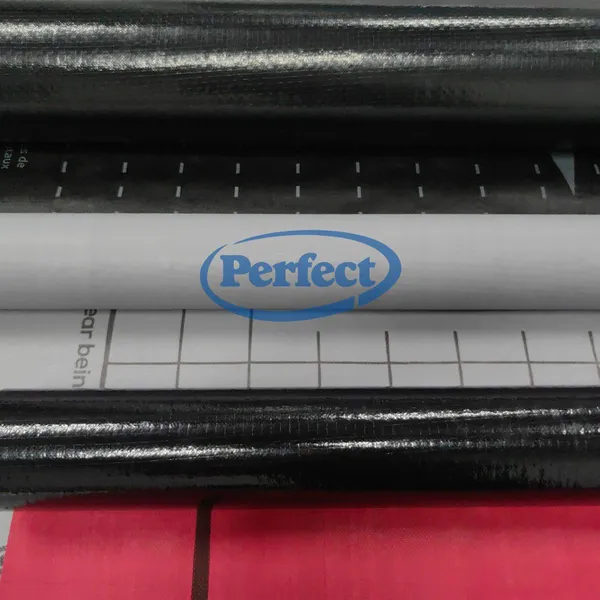 Read More
-
Synthetic Underlayment for Tropical and Desert Roofing Projects
November 2, 2026Two projects in the same product family can fail for opposite reasons. A tropical roof underlayment in Southeast Asia can be ruine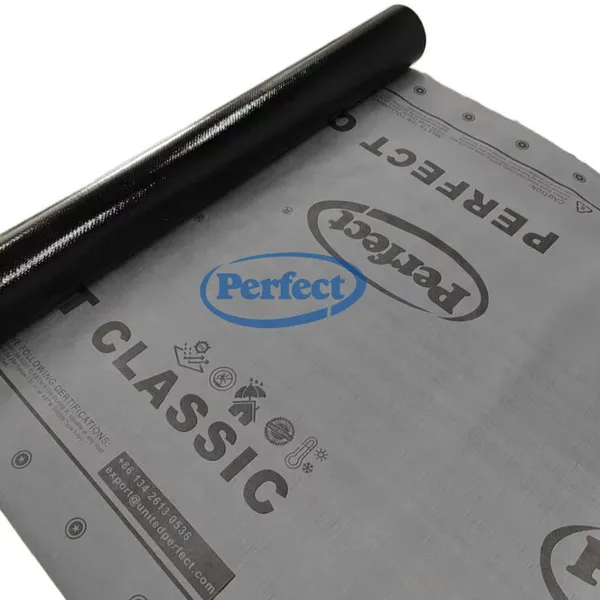 Read More

Contact Us
Recommended Products
-
 Glasswool Blanket With FSK FacingNegotiableMOQ: 100 Rolls
-
Rockwool Blanket With Wire MeshNegotiableMOQ: 100 Rolls
-
Rockwool Blanket With FSK FacingNegotiableMOQ: 100 Rolls
-
CE Certified Glass Wool Insulation, Glasswool Fiberglass, Low Thermal Conductivity, Noise Reduction for Wall, Roof and Industrial EquipmentNegotiableMOQ: 100 Rolls
-
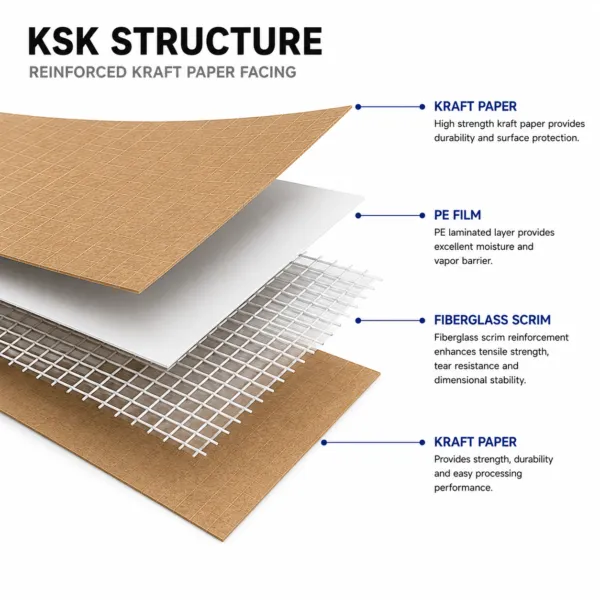
KSK Foil Facing Roll, Laminated Aluminum Foil + Scrim + Kraft Paper, Anti-Tear Thermal Barrier, Suitable for Commercial HVAC and Roof InsulationNegotiableMOQ: 500 Rolls
-
FSK Foil Scrim Kraft, FWF MSK MWV KSK Laminate Foils, Metalized PET MPET Vapor Barrier Facing for Insulation Glasswool RockwoolNegotiableMOQ: 100 Rolls
-
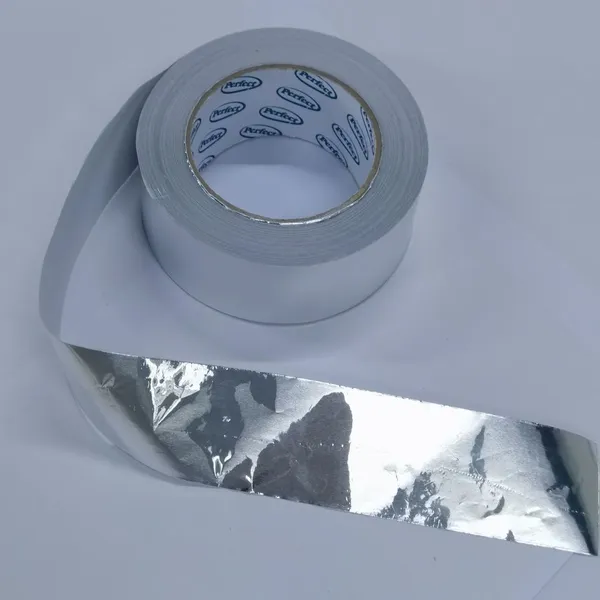
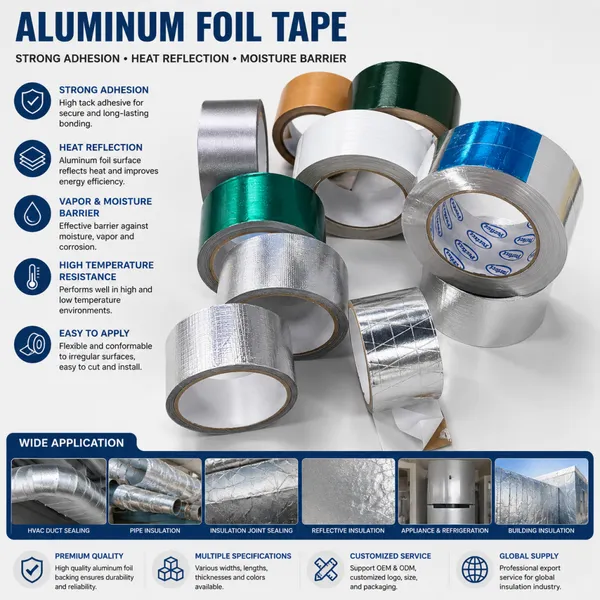
Reinforced Aluminium Foil Tape, Waterproof Anti-aging Tape, Widely Used in HVAC and Building Insulation ProjectsNegotiableMOQ: 500 Cartons
-
HVAC Aluminum Foil Sealing Tape, Strong Adhesion Heat Resistance for Pipe, Glass Wool and Rockwool InsulationNegotiableMOQ: 500 Cartons
-
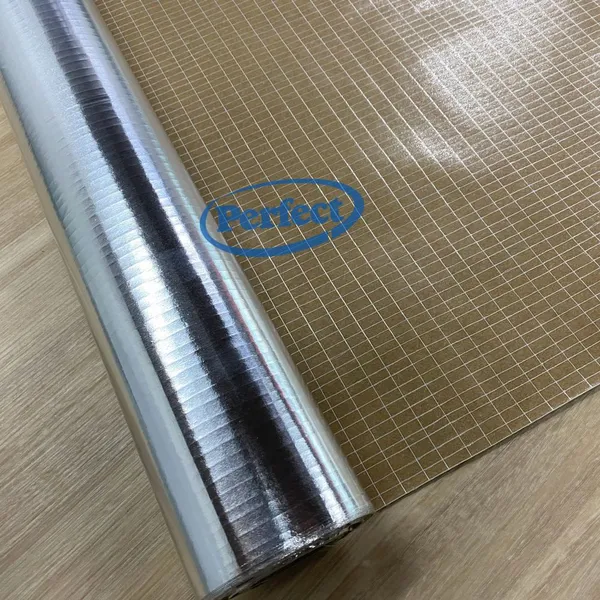
Factory Supply Metalized PET MPET Laminate Foils, Aluminum Coated PET Film for Roof Wall InsulationNegotiableMOQ: 10000 Cubic Meters
-
Custom MPET Metalized PET Laminate Foils, VMPET Metallized Polyester Facing Film for Thermal InsulationNegotiableMOQ: 10000 Cubic Meters
-
Glass Wool Insulation Series, Glasswool With FSK/FWF/MSK/MWV/KSK Facing, Metalized PET Laminate Foils, Heat & Sound Insulation for Commercial BuildingNegotiableMOQ: 100 Rolls
-
Rockwool Blanket With Black Firber GlassNegotiableMOQ: 100 Rolls
-
Glasswool Insulation Blanket & Board, FSK FWF MSK MWV KSK Foil Laminate, MPET Metalized PET Faced Glass Wool for HVAC, Roof, Wall, Air DuctNegotiableMOQ: 100 Rolls
-
Rockwool Insulation Roll, FSK Foil Faced Mineral Wool for Building Thermal & Acoustic Insulation, Fire Resistant Roof Wall Insulation MaterialNegotiableMOQ: 100 Rolls
-
FWF MSK FSK Foil Laminated Rock Wool Glass Wool Blanket, Metalized PET Laminate Foils Faced Insulation for HVAC and ConstructionNegotiableMOQ: 100 Rolls
-
Rockwool Insulation Board, Mineral Wool Rock Wool Slab for Building Thermal & Fire Insulation, Soundproof Rockwool Panel for Roof, Wall, HVAC SystemNegotiableMOQ: 100 Rolls
-
Rockwool Pipe Section, Mineral Wool Rock Wool Tube Insulation, Fire & Heat Resistant Rockwool for Steam Pipes, Industrial Pipeline Insulation ProjectNegotiableMOQ: 100 Rolls
-
Rockwool Board With FSK FacingNegotiableMOQ: 100 Rolls
-
Rockwool Insulation Slab With FSK Facing, Fireproof Rock Wool Board, Thermal & Sound Insulation Rockwool for Roof, Wall and Ductwork ApplicationNegotiableMOQ: 100 Rolls
-
Fireproof Foil Laminated Glass Wool, Laminate Foils MPET Faced Glasswool Insulation Roll & Sheet for Roofing, Wall, Duct and Pipe InsulationNegotiableMOQ: 100 Rolls