
 Business License
Blog Categories

Rockwool Demand in Fire-Safe Construction
A facade contractor in Eastern Europe once replaced a mineral wool layer with a plastic foam to cut cost on a mid-rise project, and the change moved the whole cladding system into a different fire classification. The insulation was a small part of the budget and the deciding part of the approval.
rockwool fire safety demand has risen because fire regulation has moved from the individual product to the whole assembly, and because the assemblies that pass the tests tend to contain non-combustible insulation. This article covers what drives the mineral wool construction trend, how a fire rated insulation need is established, and where the demand is concentrated by market and by building type.
1. Why Rockwool Fire Safety Demand Is Rising
Rockwool fire safety demand is driven mainly by regulation that tests the whole wall or roof build-up rather than a single component. When a cladding system has to pass a large-scale fire test, the insulation inside it becomes part of the tested assembly, and a combustible foam can fail the test that a mineral wool product passes.
The second driver is insurance. Insurers in several markets now ask for evidence of the fire performance of the envelope, and a building owner who cannot produce a test report on the assembly may face a higher premium or an exclusion. That commercial pressure reaches the specification before the regulation does.
The third driver is the growth of taller timber and hybrid construction. Timber frames are combustible by nature, so the non-combustible parts of the assembly carry more of the fire performance, and mineral wool is a natural choice where a non-combustible insulation is required.
2. The Mineral Wool Construction Trend in Regulation
The mineral wool construction trend follows the shift from prescriptive rules to performance rules, and that shift is visible in every market that has revised its facade or envelope rules in recent years. A prescriptive rule says which material to use; a performance rule says what the assembly must achieve and leaves the route open. Performance rules favour mineral wool where a high fire class is needed, because it is one of the few insulation types that is non-combustible by nature.
Europe has moved furthest in this direction, with facade fire requirements that apply to tall buildings and that are tested on the complete system. Buyers in Western Europe, Northern Europe and Eastern Europe therefore see the requirement most often, and the specification language in those markets reflects it.
North America applies a different structure, with fire ratings expressed as a time period and tested on the assembly, but the practical effect is similar: an assembly that must hold a rating tends to use mineral wool rather than a combustible foam. Buyers in that market should confirm which test the assembly has been qualified against.
| Driver | Effect on specification | Where it appears most |
|---|---|---|
| Assembly fire testing | Insulation becomes part of the tested build-up | Europe, Australia, North America |
| Insurance requirements | Evidence of envelope fire performance | Commercial property markets |
| Timber and hybrid build | Non-combustible layers carry more of the rating | Northern Europe, North America |
| High-rise facade rules | System test required above a height threshold | Europe, Mid East, Eastern Asia |
3. Fire Rated Insulation Need and How It Is Established
A fire rated insulation need is established by the assembly rather than by the product, and a fire rated insulation need therefore has to be read from a test report rather than from a product label. The insulation is one layer in a build-up that includes the cladding, the cavity, the membrane and the structure, and the rating belongs to the whole. A supplier who claims a rating for a board alone is describing a component test, not an assembly result.
The buyer should therefore ask two questions. First, which test does the target market require, and second, has the proposed assembly been tested under that method. The answer to the second question is a test report referencing the complete build-up, and it is the document that a building control officer or an insurer will ask for.
The third question is the height threshold. Many facade rules apply above a specific building height and not below it, so the same design on a different site may fall under a different requirement. Buyers should confirm the threshold that applies to their project rather than assuming that one rule covers all heights.
4. Applications Driving the Mineral Wool Construction Trend
High-rise facades are the largest single application. Above the height threshold, the cladding system usually has to pass a large-scale test, and mineral wool is the insulation that most readily satisfies a non-combustible requirement. This is where the demand growth has been sharpest in Europe and to some extent in the Mid East.
Roof construction is the second application, particularly on buildings where a fire rating is required for the roof assembly as well as for the walls. Flat roof decks with a mineral wool layer appear in commercial and institutional work where the rating is part of the brief.
Industrial and process buildings form the third group, where the requirement may come from the process rather than from the building code. A plant room, a generator enclosure or a duct run serving a protected escape route may all require a non-combustible insulation for functional reasons rather than for compliance alone.
5. Market Differences in Fire Rated Insulation Need
Europe leads on facade fire regulation with requirements applied through national implementations of common test methods, so a buyer in Western Europe or Northern Europe should expect to demonstrate system performance to a high documentation standard, which is where the fire rated insulation need is felt most strongly.
Eastern Europe has been following the same direction, with facade requirements tightening on taller buildings. Buyers in that region often find that a project approved a few years ago would not be approved under the current rule, and the specification has to move with it.
Oceania applies its own framework, with performance requirements for external walls on certain building classes, and the testing route is different from the European one. Buyers in Australia and New Zealand should confirm the requirement against the local framework rather than transferring a European specification directly.
6. Specifying Insulation for a Fire Rating
The specification should begin with the assembly and the required outcome, not with the insulation material. A buyer who starts from the material ends up with a product that may or may not fit the tested build-up, while a buyer who starts from the assembly receives a proposal that comes with the relevant test evidence.
The second step is to ask for the test report and check that the proposed build-up matches it. A report for a different cladding, a different cavity depth or a different fixing pattern does not cover the project, and a substitution of any layer can invalidate the result.
The third step is to confirm the density and the thickness against the tested configuration. Where a fire rating is involved, the tested thickness is part of the result, and substituting a thinner board to save cost can take the assembly outside the scope of the report.
7. Sourcing Against Rising Rockwool Fire Safety Demand
Buyers sourcing mineral wool for fire-rated work should look for a supplier who can supply a consistent density over repeat orders, because the tested configuration depends on the properties of the material as well as on the geometry. A supplier who drifts in density can take a qualified assembly out of qualification without saying anything.
Documentation support is the second requirement. A supplier who can provide the product data needed for a submittal, in the language and the format the project requires, reduces the work on the buyer's side and lowers the risk of a rejected submittal.
The third requirement is availability in the thicknesses the tested assemblies specify. Fire-rated build-ups often call for specific thicknesses, and a supplier with a narrow range forces the buyer either to change the assembly or to source elsewhere. Buyers should confirm the available thicknesses before committing to a design.
8. Rockwool Fire Safety Supplier Profile
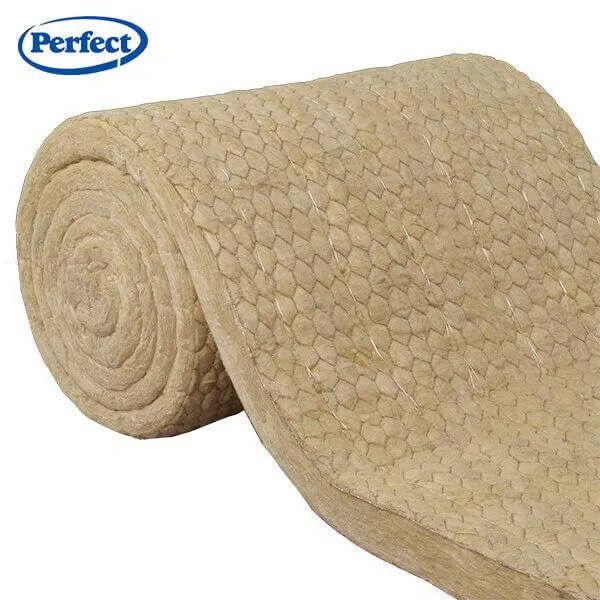
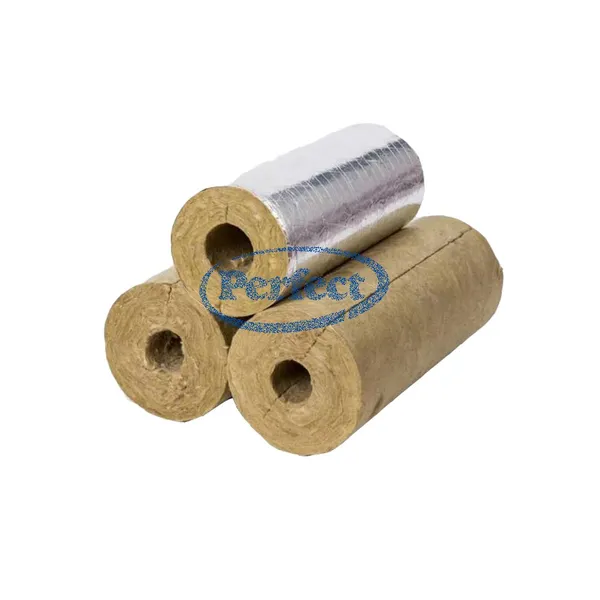
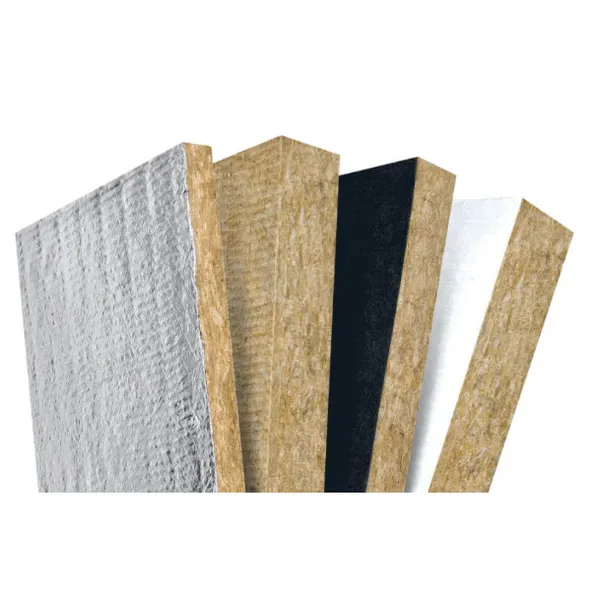
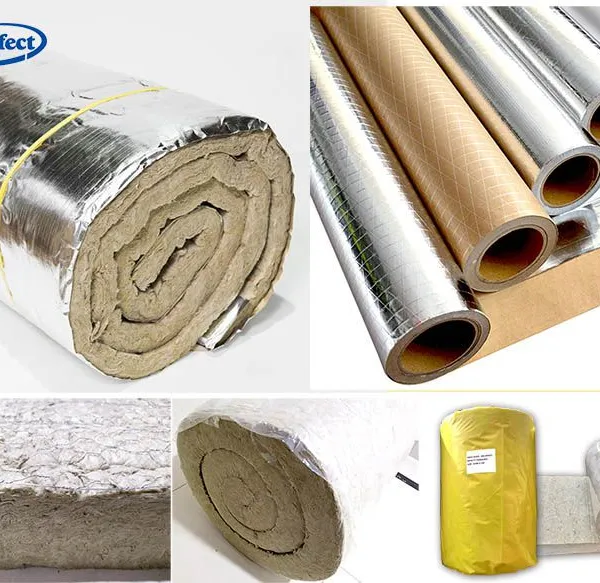
Jinan United Perfect Building Materials Corporation supplies rockwool boards and blankets for fire-rated assemblies, alongside foil laminates, breathable membranes, laminated foil facings and synthetic underlayments. The company was established in 2017 and serves buyers in North America, South America, Eastern Europe, Southeast Asia, Africa, Oceania, the Mid East, Eastern Asia, Western Europe, Central America, Northern Europe and Southern Europe, and it answers submittal questions from United Perfect buyers in each of those regions.
Jinan United Perfect Building Materials lists the density and thickness range for each rockwool product so buyers can match a board to the tested configuration, and states the thermal and fire-relevant data on the product data sheet for submittal use.
Buyers with a fire rated insulation need should send the fire rated insulation need description along with the assembly details, the required rating and test method, the thickness and density from the tested configuration, and the destination market. United Perfect replies with a matched product proposal and the available thicknesses.
9. FAQ About Rockwool Fire Safety Demand
9.1 Why is demand for rockwool rising in fire-rated buildings?
Demand is rising because fire regulation has moved from the individual product to the whole assembly, and an assembly that has to pass a large-scale fire test usually needs a non-combustible insulation inside it. Insurance requirements reinforce the trend, since a building owner who cannot produce evidence of the envelope fire performance may face a higher premium. The growth of taller timber and hybrid construction adds a third driver, because the combustible frame leaves the non-combustible layers carrying more of the rating. Rockwool is one of the few insulation types that is non-combustible by nature, so it becomes the default answer where a high fire class is required, and buyers should confirm which test the target market applies, because the mineral wool construction trend has followed the test rules in each region at a different pace.
9.2 Does a rockwool board have a fire rating on its own?
A board can carry a fire classification as a material, but the rating that matters for a building permit or an insurance policy belongs to the whole assembly rather than to the board by itself, and that is the central point in every fire rated insulation need discussion. The assembly includes the cladding, the cavity, the membrane and the structure, and it is tested as a system under a defined method. A supplier who claims a rating for the board alone is describing a component test, which is not the same evidence. Buyers should ask for the assembly test report and check that the proposed build-up matches it including the density and thickness of every layer, since a substitution of any layer can invalidate the result and the specification should therefore start from the assembly rather than from the material.
9.3 Which markets have the strictest facade fire rules?
Europe leads on facade fire regulation, applied through national implementations of common test methods, so a buyer in Western Europe or Northern Europe should expect to demonstrate system performance with a high standard of documentation. Eastern Europe has been following the same direction, with requirements tightening on taller buildings. Oceania applies a different framework with performance requirements for external walls on certain building classes, and the testing route differs from the European one. North America uses fire ratings expressed as a time period tested on the assembly, which reaches a similar practical outcome by a different route, so buyers should confirm the requirement against their own local framework and confirm the height threshold that triggers the rule for each project.
9.4 How do I specify insulation for a fire-rated assembly?
The specification should begin with the assembly and the required outcome rather than with the insulation material, because the rating belongs to the tested build-up. A buyer who starts from the material may end up with a product that does not fit the tested configuration. The second step is to ask for the assembly test report and check that the proposed build-up matches it layer by layer, and the third is to confirm the density and the thickness against the tested configuration, since the tested thickness is part of the result and a thinner board can take the design outside the report. Buyers should also confirm the height threshold that applies, because many facade rules apply above a specific building height, and starting from the assembly avoids a rejected submittal.
9.5 What should I check when sourcing mineral wool for fire-rated work?
Buyers sourcing mineral wool under rising rockwool fire safety demand should first confirm that the supplier can hold a consistent density across repeat orders, because the tested configuration depends on the material properties as well as on the geometry. Density drift can take a qualified assembly out of qualification without anyone noticing until a submittal is reviewed. The second check is documentation support, since a supplier who provides product data in the language and format the project requires lowers the risk of a rejected submittal. The third check is the available thickness range, because fire-rated build-ups often call for specific thicknesses and a narrow range forces a design change or a second source, so buyers should confirm all three before committing to a design.
Recently Posted
-
From Felt to Synthetic Underlayment in North American Roofing
November 3, 2026A roofing supplier in North America once kept both felt and synthetic underlayment on the same rack and watched the split shift wi Read More
-
QC Checklist for Synthetic Underlayment Before Shipment
November 3, 2026A buyer in North America once received a shipment in which the lengths on the packing list were correct and the rolls at the centr Read More
-
Synthetic Underlayment Slitting Winding and Roll Diameter Control
November 2, 2026A buyer in North America once rejected a container of synthetic underlayment because the rolls at one end had flattened into an ov Read More
-
Synthetic Underlayment for Tropical and Desert Roofing Projects
November 2, 2026Two projects in the same product family can fail for opposite reasons. A tropical roof underlayment in Southeast Asia can be ruine Read More

Contact Us
Recommended Products
-
 Glasswool Blanket With FSK FacingNegotiableMOQ: 100 Rolls
-
Rockwool Blanket With Wire MeshNegotiableMOQ: 100 Rolls
-
Rockwool Blanket With FSK FacingNegotiableMOQ: 100 Rolls
-
CE Certified Glass Wool Insulation, Glasswool Fiberglass, Low Thermal Conductivity, Noise Reduction for Wall, Roof and Industrial EquipmentNegotiableMOQ: 100 Rolls
-
KSK Foil Facing Roll, Laminated Aluminum Foil + Scrim + Kraft Paper, Anti-Tear Thermal Barrier, Suitable for Commercial HVAC and Roof InsulationNegotiableMOQ: 500 Rolls
-
FSK Foil Scrim Kraft, FWF MSK MWV KSK Laminate Foils, Metalized PET MPET Vapor Barrier Facing for Insulation Glasswool RockwoolNegotiableMOQ: 100 Rolls
-
Reinforced Aluminium Foil Tape, Waterproof Anti-aging Tape, Widely Used in HVAC and Building Insulation ProjectsNegotiableMOQ: 500 Cartons
-
HVAC Aluminum Foil Sealing Tape, Strong Adhesion Heat Resistance for Pipe, Glass Wool and Rockwool InsulationNegotiableMOQ: 500 Cartons
-
Factory Supply Metalized PET MPET Laminate Foils, Aluminum Coated PET Film for Roof Wall InsulationNegotiableMOQ: 10000 Cubic Meters
-
Custom MPET Metalized PET Laminate Foils, VMPET Metallized Polyester Facing Film for Thermal InsulationNegotiableMOQ: 10000 Cubic Meters
-
Glass Wool Insulation Series, Glasswool With FSK/FWF/MSK/MWV/KSK Facing, Metalized PET Laminate Foils, Heat & Sound Insulation for Commercial BuildingNegotiableMOQ: 100 Rolls
-
Rockwool Blanket With Black Firber GlassNegotiableMOQ: 100 Rolls
-
Glasswool Insulation Blanket & Board, FSK FWF MSK MWV KSK Foil Laminate, MPET Metalized PET Faced Glass Wool for HVAC, Roof, Wall, Air DuctNegotiableMOQ: 100 Rolls
-
Rockwool Insulation Roll, FSK Foil Faced Mineral Wool for Building Thermal & Acoustic Insulation, Fire Resistant Roof Wall Insulation MaterialNegotiableMOQ: 100 Rolls
-
FWF MSK FSK Foil Laminated Rock Wool Glass Wool Blanket, Metalized PET Laminate Foils Faced Insulation for HVAC and ConstructionNegotiableMOQ: 100 Rolls
-
Rockwool Insulation Board, Mineral Wool Rock Wool Slab for Building Thermal & Fire Insulation, Soundproof Rockwool Panel for Roof, Wall, HVAC SystemNegotiableMOQ: 100 Rolls
-
Rockwool Pipe Section, Mineral Wool Rock Wool Tube Insulation, Fire & Heat Resistant Rockwool for Steam Pipes, Industrial Pipeline Insulation ProjectNegotiableMOQ: 100 Rolls
-
Rockwool Board With FSK FacingNegotiableMOQ: 100 Rolls
-
Rockwool Insulation Slab With FSK Facing, Fireproof Rock Wool Board, Thermal & Sound Insulation Rockwool for Roof, Wall and Ductwork ApplicationNegotiableMOQ: 100 Rolls
-
Fireproof Foil Laminated Glass Wool, Laminate Foils MPET Faced Glasswool Insulation Roll & Sheet for Roofing, Wall, Duct and Pipe InsulationNegotiableMOQ: 100 Rolls