
 Business License
Blog Categories

Five Stage Quality Control for Foil Facing and Underlayment Rolls
A buyer in North America once received two deliveries of the same grade of foil facing, one of which matched the sample and one of which did not. The difference was traced to a change in the incoming material that had not been caught at the first inspection stage, and it appeared two months later at the buyer's site.
Quality control building materials is judged at the point where a defect reaches the buyer, and a defect costs least to catch at the stage where it is introduced. Jinan United Perfect Building Materials Corporation runs a five-stage control across the production of foil facing and underlayment rolls, and each stage covers a different part of the process. This article explains how each stage works, and what a factory inspection foil facing and a pre shipment inspection supplier arrangement produces for a buyer.
1. Stage One: Quality Control Building Materials Incoming Inspection
The first stage of quality control building materials is the inspection of the incoming material, before it enters the production line.
The line receives aluminium foil, carrier material, adhesive and packaging, and each of those has figures that the finished product depends on. A foil that is thinner than specified, a carrier that is lighter, or an adhesive that behaves differently all pass through the line without a visible sign and appear in the finished roll.
| Material | Checked For |
|---|---|
| Aluminium foil | Thickness, width, surface condition |
| Carrier | Weight, construction, width |
| Adhesive | Batch, viscosity, solids content |
| Core and wrap | Type, dimensions, condition |
The inspection is what stops a substitution at the source. A material that is accepted without a check becomes part of the production record by default, and by the time a difference appears in the finished roll the incoming batch may already have been consumed.
The record from this stage is what makes a later investigation possible. Where an incoming batch is recorded against the production batches it was used in, a defect can be traced back to the material that introduced it rather than to the line.
2. Stage Two: In-Process Control of Foil Facing
The second stage is the in-process control, which covers the laminating, the coating, the slitting and the winding while the line is running.
The process settings for a given build-up are fixed from a trial, and the in-process control confirms that the line is holding them. The adhesive weight, the nip pressure and the temperature decide the bond, and the line speed decides how long the web spends at each station.
| Station | Controlled Figure |
|---|---|
| Laminating | Adhesive weight, nip pressure, temperature |
| Coating | Coat weight, coverage, drying |
| Slitting | Width, edge condition |
| Winding | Tension, diameter, hardness |
The in-process control catches a drift that a factory inspection foil facing would otherwise attribute to the material. A coating weight that has moved, or a tension that has been changed for a production reason, produces a finished roll that is different from the reference while every incoming material was correct.
The control should be continuous rather than spot. A figure that is measured at the start of a run and not again can drift over a long production, and the drift is what the buyer sees at the end of the roll rather than the start. That continuous recording is the part of quality control building materials that a periodic check cannot replace.
3. Stage Three: Factory Inspection Foil Facing Checks
The third stage is the finished product inspection, which is the stage that most buyers recognise as the factory inspection foil facing checks.
The finished roll is checked against the figures that define the grade. The construction, the weight per unit area, the tensile strength and the tear resistance describe the material, and the width, the length and the roll diameter describe the dimensions.
| Group | Checked |
|---|---|
| Construction | Carrier, coating, surface |
| Weight | Per unit area |
| Mechanical | Tensile strength, tear resistance |
| Performance | Vapour resistance, reflectivity |
| Dimensions | Width, length, thickness |
The inspection is performed on samples from the run and on the individual roll. The figures that describe the production are checked on a sample, and the figures that vary roll by roll are checked on every roll.
The comparison should be against the reference sample used at approval rather than against a nominal figure. A nominal figure leaves a band of acceptable variation, and a drift within that band can still produce a roll that behaves differently from the one the buyer approved.
4. Stage Four: Foil Facing Packaging Inspection
The fourth stage is the packaging inspection, which confirms that the product is protected and correctly identified before it is packed.
The wrap has to protect the roll through handling and transport and to present the identity. A wrap that is loose allows the roll to move in the pallet, and a wrap that presents well but does not protect leaves the roll exposed to water and to abrasion.
| Item | Confirmed |
|---|---|
| Wrap | Intact, tight, correct material |
| Label | Present, legible, correct grade |
| Batch code | Matches the production record |
| Pallet | Dry, sound, correctly built |
| Printing | Matches the approved proof |
For a private label programme this stage is where the printed proof is checked against the artwork. A print that has drifted from the approved proof is a presentation defect that the buyer cannot sell, even where the product is correct.
The packaging stage also confirms the pallet build. A pallet that is correctly built holds the rolls in place through the load, and one that is built loosely allows them to move and to arrive scuffed.
5. Stage Five: Pre-Shipment Inspection
The fifth stage is the pre-shipment inspection, which is the last check before the consignment leaves and the one a pre shipment inspection supplier arrangement is judged on.
The inspection confirms the quantity, the identity and the condition of the consignment against the order and the packing list. The number of rolls, the batch codes and the marks are checked, and the consignment is compared against the order rather than against the production record alone.
| Check | Confirmed |
|---|---|
| Quantity | Rolls and pallets against the order |
| Identity | Grade, batch, label against the certificate |
| Condition | Wrap, rolls, pallets undamaged |
| Loading | Secured, protected, accessible |
| Documents | Certificate, packing list, marks |
The inspection is also the point at which the moisture control for the shipment is confirmed. A container liner or a desiccant is placed at loading, and the inspection records that it was placed rather than assuming it.
The stage produces the record that travels with the consignment. That record is what allows the buyer to receive the delivery and to compare it against the order without opening every roll, and it is the part of a pre shipment inspection supplier arrangement that the buyer keeps.
6. Case Notes on Factory Inspection Foil Facing
A buyer in North America received two deliveries of the same grade, one of which matched the approved sample and one of which did not. The difference traced to a change in the incoming carrier that had not been caught at the first stage, and it appeared two months later at the buyer's site. Recording the incoming batch against the production batch was what made the trace possible, and the first stage was tightened afterwards.
A second case involved a private label delivery with the printing offset from the approved proof. The product met the specification and the wrapping did not match the artwork that the buyer had approved. Checking the print against the proof at the packaging stage caught the drift before the consignment was packed, and the run was reprinted.
Both cases show the same point. A defect is caught at the stage where it is introduced, and the later stages are cheaper to run when the earlier ones are doing their work.
7. What Pre Shipment Inspection Supplier Records Give a Buyer
The five stages produce a record rather than a claim, and the record is what a buyer can use.
The incoming record identifies the material, the in-process record identifies the settings, the finished record identifies the figures, the packaging record identifies the presentation, and the pre-shipment record identifies the consignment. Taken together they are the quality control building materials record for the batch.
Together they allow a delivered roll to be traced back to the material it was made from and the settings it was made with. That traceability is what makes a retained sample useful, because the sample can be compared against a later roll on the same basis.
A buyer should ask for the retained sample by production batch and for the figures that are checked per roll. Those two items allow the delivery to be verified without relying on a summary.
8. Quality Control Building Materials Supplier Profile
United Perfect Building Materials, part of Jinan United Perfect Building Materials Corporation, runs five-stage quality control building materials across the production of foil facing and underlayment rolls. The company inspects the incoming material, controls the process, inspects the finished product, checks the packaging and performs a pre-shipment inspection on every consignment.
Jinan United Perfect Building Materials holds a retained sample by production batch, so a delivered roll can be compared against the reference used at approval. Buyers can request the factory inspection foil facing figures and the pre shipment inspection supplier record for a consignment, and can ask for a third-party inspection to be arranged where their market requires it. United Perfect can also confirm the figures that the inspection covers in writing.
9. FAQ About Quality Control for Foil Facing and Underlayment
9.1 What does five-stage quality control cover?
It covers the incoming material, the process, the finished product, the packaging and the shipment. The incoming stage inspects the foil, the carrier, the adhesive and the packaging before they enter the line, and the process stage controls the laminating, the coating, the slitting and the winding while the line runs. The finished stage checks the construction, the weight, the mechanical figures and the dimensions, while the packaging stage confirms the wrap, the label and the pallet. The pre-shipment stage then confirms the consignment against the order.
9.2 Why inspect incoming material rather than the finished product?
Because a difference in the incoming material passes through the line without a visible sign and appears in the finished roll, where it is harder to attribute. A foil that is thinner than specified or a carrier that is lighter changes the product while every setting on the line remains correct. By the time the difference appears, the incoming batch may already have been consumed, so the check has to happen before the material is used. The record from that stage is what makes a later trace possible.
9.3 How is the finished product checked against the reference?
The finished figures are measured and compared against the reference sample used at approval rather than against a nominal figure. The figures that describe the production, such as the construction and the weight, are checked on a sample from the run, and the figures that vary roll by roll, such as the width, the length and the roll diameter, are checked on every roll. The comparison is done on the same basis as the reference, so that a difference in the test method is not mistaken for a difference in the product.
9.4 What is confirmed at the pre-shipment stage?
The quantity, the identity, the condition and the loading of the consignment are confirmed against the order and the packing list. The number of rolls and pallets is counted, the batch codes and marks are checked against the certificate, and the wrap, the rolls and the pallets are inspected for damage. The loading is confirmed as secured and protected, and the moisture control for the shipment is recorded as placed. The stage produces the record that travels with the consignment.
9.5 Can a buyer request a third-party inspection?
Yes, and it is arranged on the buyer's instruction where the buyer's market or its own quality system requires it. The third-party inspection works from the same figures and the same reference sample, and it runs alongside the pre-shipment stage rather than replacing it. A buyer that expects to need one should raise it at the order stage, so that the timing is planned with the production rather than requested after the consignment is packed and waiting to leave.
Recently Posted
-
From Felt to Synthetic Underlayment in North American Roofing
November 3, 2026A roofing supplier in North America once kept both felt and synthetic underlayment on the same rack and watched the split shift wi Read More
-
QC Checklist for Synthetic Underlayment Before Shipment
November 3, 2026A buyer in North America once received a shipment in which the lengths on the packing list were correct and the rolls at the centr Read More
-
Synthetic Underlayment Slitting Winding and Roll Diameter Control
November 2, 2026A buyer in North America once rejected a container of synthetic underlayment because the rolls at one end had flattened into an ov Read More
-
Synthetic Underlayment for Tropical and Desert Roofing Projects
November 2, 2026Two projects in the same product family can fail for opposite reasons. A tropical roof underlayment in Southeast Asia can be ruine Read More

Contact Us
Recommended Products
-
 Glasswool Blanket With FSK FacingNegotiableMOQ: 100 Rolls
-
Rockwool Blanket With Wire MeshNegotiableMOQ: 100 Rolls
-
Rockwool Blanket With FSK FacingNegotiableMOQ: 100 Rolls
-
CE Certified Glass Wool Insulation, Glasswool Fiberglass, Low Thermal Conductivity, Noise Reduction for Wall, Roof and Industrial EquipmentNegotiableMOQ: 100 Rolls
-
KSK Foil Facing Roll, Laminated Aluminum Foil + Scrim + Kraft Paper, Anti-Tear Thermal Barrier, Suitable for Commercial HVAC and Roof InsulationNegotiableMOQ: 500 Rolls
-
FSK Foil Scrim Kraft, FWF MSK MWV KSK Laminate Foils, Metalized PET MPET Vapor Barrier Facing for Insulation Glasswool RockwoolNegotiableMOQ: 100 Rolls
-
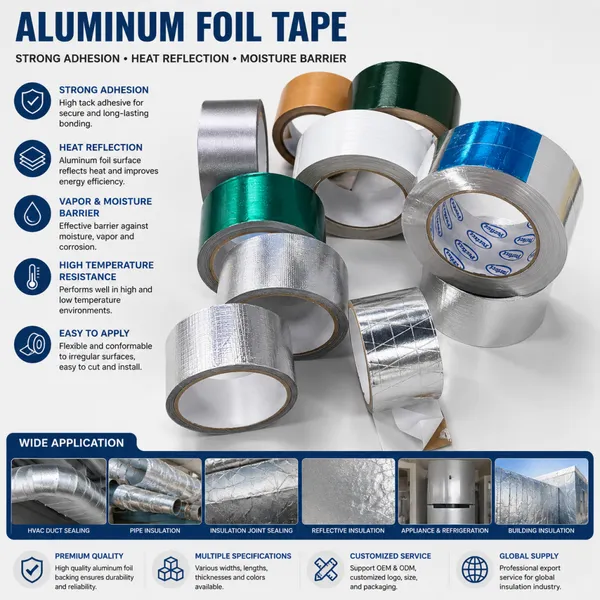
Reinforced Aluminium Foil Tape, Waterproof Anti-aging Tape, Widely Used in HVAC and Building Insulation ProjectsNegotiableMOQ: 500 Cartons
-
HVAC Aluminum Foil Sealing Tape, Strong Adhesion Heat Resistance for Pipe, Glass Wool and Rockwool InsulationNegotiableMOQ: 500 Cartons
-
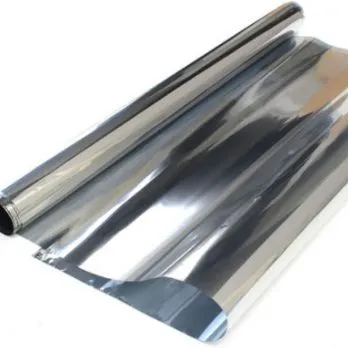
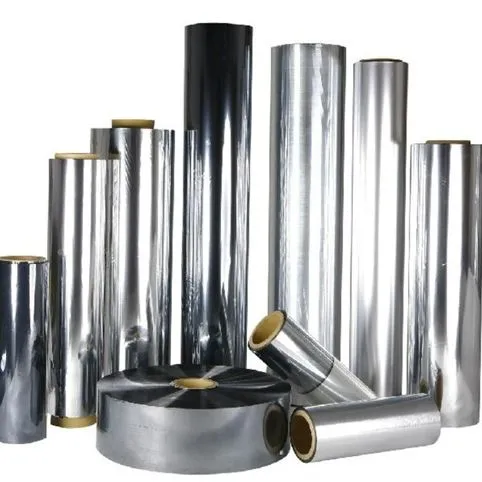
Factory Supply Metalized PET MPET Laminate Foils, Aluminum Coated PET Film for Roof Wall InsulationNegotiableMOQ: 10000 Cubic Meters
-
Custom MPET Metalized PET Laminate Foils, VMPET Metallized Polyester Facing Film for Thermal InsulationNegotiableMOQ: 10000 Cubic Meters
-
Glass Wool Insulation Series, Glasswool With FSK/FWF/MSK/MWV/KSK Facing, Metalized PET Laminate Foils, Heat & Sound Insulation for Commercial BuildingNegotiableMOQ: 100 Rolls
-
Rockwool Blanket With Black Firber GlassNegotiableMOQ: 100 Rolls
-
Glasswool Insulation Blanket & Board, FSK FWF MSK MWV KSK Foil Laminate, MPET Metalized PET Faced Glass Wool for HVAC, Roof, Wall, Air DuctNegotiableMOQ: 100 Rolls
-
Rockwool Insulation Roll, FSK Foil Faced Mineral Wool for Building Thermal & Acoustic Insulation, Fire Resistant Roof Wall Insulation MaterialNegotiableMOQ: 100 Rolls
-
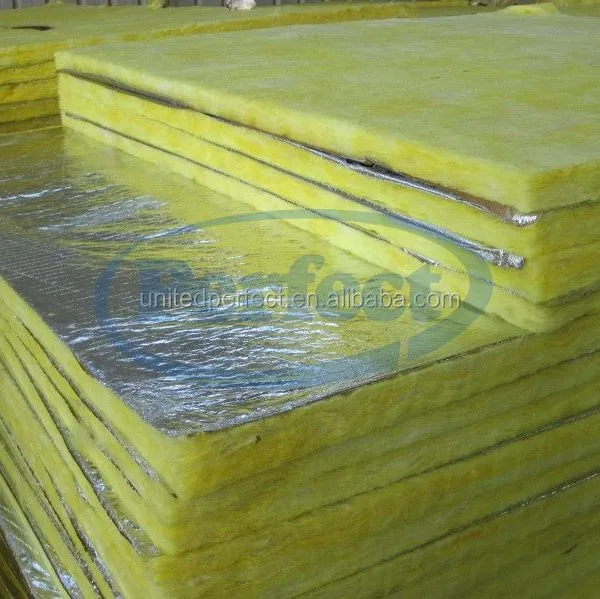
FWF MSK FSK Foil Laminated Rock Wool Glass Wool Blanket, Metalized PET Laminate Foils Faced Insulation for HVAC and ConstructionNegotiableMOQ: 100 Rolls
-
Rockwool Insulation Board, Mineral Wool Rock Wool Slab for Building Thermal & Fire Insulation, Soundproof Rockwool Panel for Roof, Wall, HVAC SystemNegotiableMOQ: 100 Rolls
-
Rockwool Pipe Section, Mineral Wool Rock Wool Tube Insulation, Fire & Heat Resistant Rockwool for Steam Pipes, Industrial Pipeline Insulation ProjectNegotiableMOQ: 100 Rolls
-
Rockwool Board With FSK FacingNegotiableMOQ: 100 Rolls
-
Rockwool Insulation Slab With FSK Facing, Fireproof Rock Wool Board, Thermal & Sound Insulation Rockwool for Roof, Wall and Ductwork ApplicationNegotiableMOQ: 100 Rolls
-
Fireproof Foil Laminated Glass Wool, Laminate Foils MPET Faced Glasswool Insulation Roll & Sheet for Roofing, Wall, Duct and Pipe InsulationNegotiableMOQ: 100 Rolls